
A Homeowner's Checklist for Vetting Local Plumbers
Don't get stuck with a bad plumber. Follow this step-by-step guide to check licenses, insurance, reviews, and estimates to hire a reliable pro for your home.
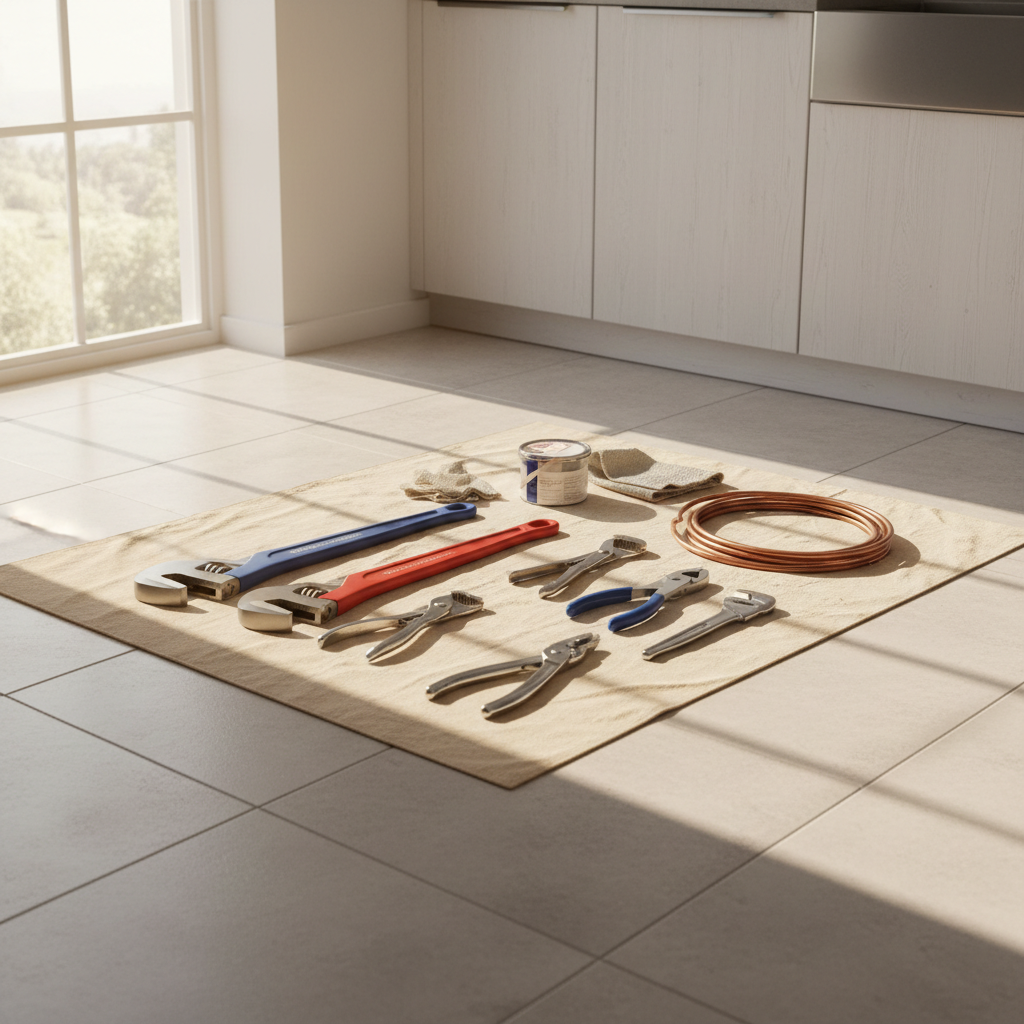
A burst pipe, a backed-up sewer line, or a toilet that won't stop running can send any homeowner into a panic. In that moment, your first instinct is to grab your phone and call the first plumber you can find. But hiring in a hurry is often how you end up with shoddy work, surprise fees, and a problem that’s even worse than when you started.
The secret to avoiding this nightmare scenario is simple: the best time to find a great plumber is before you need one. By doing your homework and vetting a few local professionals ahead of time, you can have a trusted contact ready to go. This guide will walk you through a complete checklist for vetting a plumber, so you can hire with confidence, whether it’s for an emergency repair or a planned renovation.
First Things First: Licensing and Insurance
Before you look at reviews, ask for quotes, or even discuss your project, you must verify a plumber's license and insurance. These aren't just formalities; they are the most basic protections you have as a homeowner. A pro who skips these steps is putting you, your home, and your finances at significant risk.
Plumbing Licenses Explained
A plumbing license is proof that a plumber has met state or local requirements for training, experience, and knowledge of plumbing codes. These codes exist to ensure plumbing systems are installed safely to protect public health. Requirements vary by location, but you'll generally encounter a few tiers of licensing:
- Apprentice Plumber: This is an entry-level trainee who must work under the direct supervision of a licensed Journeyman or Master Plumber. They can perform plumbing work, but a more experienced pro must be on-site to oversee and sign off on it.
- Journeyman Plumber: A journeyman has completed a multi-year apprenticeship and passed a licensing exam. They are fully qualified to perform most plumbing work independently, from installing faucets to repairing pipes.
- Master Plumber: This is the highest level of licensure. A Master Plumber has been a journeyman for a certain number of years (often 2-5) and has passed an additional, more rigorous exam covering advanced plumbing code, system design, and business practices. Master Plumbers can own their own plumbing business and pull permits for jobs.
What this means for you: For most repairs and installations, a Journeyman is perfectly qualified. For a large project like a whole-house re-pipe or a complex gas line installation, you'll want to ensure a Master Plumber is overseeing the work and is responsible for pulling the necessary permits.
How to check: Don't just take their word for it. Most states have a public, searchable database for professional licenses. Simply search for "[Your State] plumbing license lookup." A legitimate plumber will be happy to provide their license number so you can verify it.
The "Big Two" of Insurance: Liability and Workers' Comp
Insurance protects you from accidents. If a plumber says they are "licensed and insured," you need to know what kind of insurance they have. There are two critical types:
General Liability Insurance: This covers damage to your property caused by the plumber or their team. If they accidentally drop a heavy wrench and crack your new bathtub, or a faulty connection floods your hardwood floors, their liability insurance pays for the repairs. Without it, you could be left suing them to cover the costs.
Workers' Compensation Insurance: This covers injuries to the plumber or their employees while working on your property. If a plumber slips and falls in your basement, their workers' comp covers their medical bills and lost wages. Without it, you could be considered the employer and they could potentially sue you to cover their expenses. This is a major financial risk you should never take.
How to check: Ask the plumber to provide a Certificate of Insurance (COI). This is a standard document from their insurance company that shows the types of coverage they have and the policy limits. Make sure the policies are current and the coverage amounts are adequate (a minimum of $500,000 to $1,000,000 in liability is standard for residential work).
Check Their Reputation and Track Record
Once you've confirmed a plumber is properly licensed and insured, it's time to see what past customers have to say. A solid track record is a strong indicator of future performance.
How to Read Online Reviews
Check multiple sources like Google, Yelp, and home service marketplaces. When reading reviews, don't just look at the star rating. Dig deeper:
- Look for patterns: A single one-star review isn't a dealbreaker, especially if the company has hundreds of positive ones. However, a recurring pattern of complaints—missed appointments, rude technicians, surprise charges, work that failed soon after—is a giant red flag.
- Read the details: Vague positive reviews ("They were great!") are less helpful than detailed ones ("John arrived on time, quickly diagnosed the leaking P-trap, explained the cost clearly, and cleaned up the area under the sink before he left.").
- Check the dates: A flurry of reviews all posted in the same week might be suspicious. A steady stream of reviews over months or years suggests a consistently operating business.
- Look at their responses: How does the company handle negative feedback? A professional response that tries to resolve the issue is a good sign. A defensive or combative response suggests they don't value customer satisfaction.
Ask for Local Referrals
Online reviews are helpful, but a recommendation from someone you trust is even better. Ask friends, family, and neighbors for plumbers they've used and had a good experience with. You can also post in a local community forum like Nextdoor or a neighborhood Facebook group.
When you get a referral, ask a few follow-up questions:
- What kind of work did they do for you?
- Were they punctual and professional?
- Was the final cost close to the initial estimate?
- Did you have any issues after the work was done?
- Did they clean up after themselves?
Review Their Business Presence
A legitimate, stable business typically has a professional public presence. Look for a well-designed website with clear contact information, a list of services, and photos of their actual work (not just stock photos). Does their business have a physical address, or just a P.O. Box? Are their vehicles professionally branded? These small details signal that they are an established company that isn't going to disappear overnight.
Understand Their Specialization and Experience
Not all plumbers are created equal. Many specialize in certain types of work, and matching the plumber's expertise to your project is key to getting the job done right.
There are a few broad categories of plumbers:
- Service & Repair Plumbers: These are the pros you call for emergencies and common household problems. They are experts at diagnosing leaks, clearing clogs, and repairing or replacing fixtures like toilets, faucets, and garbage disposals.
- New Construction & Remodel Plumbers: These plumbers focus on larger projects, like running pipes for a new bathroom addition or a full kitchen remodel. They are well-versed in building codes, reading blueprints, and working alongside other contractors.
- Sewer & Drain Specialists: While many service plumbers can clear a simple clog, major sewer line blockages or breaks require specialists. These companies have advanced equipment like high-powered hydro-jetters and video camera inspection tools to diagnose and clear issues deep in your main drain line.
For a homeowner, this means you should find the right tool for the job. You wouldn't hire a remodel plumber to fix a dripping faucet (they might not even take the job), and you definitely don't want a general service plumber trying to install a complex plumbing system for your new addition without the proper experience.
Scrutinize the Estimate and Bidding Process
For any non-emergency job, you should get at least two or three written estimates. The estimating process itself can tell you a lot about a company's professionalism.
Get Everything in Writing
A verbal quote given over the phone is not a contract. A professional plumber will insist on providing a detailed, written estimate that includes:
- A Clear Scope of Work: What exactly are they going to do?
- Itemized Materials & Parts: A list of the parts needed and their costs.
- Labor Costs: How is labor being charged? Is it a flat rate for the project or an hourly rate with an estimated number of hours?
- Payment Schedule: When is payment due? Be wary of any contractor who demands full payment upfront.
- Project Timeline: An estimated start and completion date.
- Warranty Information: What guarantees do they offer on their labor and the parts they install?
Comparing Bids and Spotting Red Flags
When you have multiple bids, don't automatically jump on the lowest one.An unusually low bid is often a sign that the plumber is cutting corners, using cheap materials, is uninsured, or plans to hit you with additional charges later.
Instead, compare the bids for completeness and clarity. A bid that's just a single number on a piece of paper is a major red flag. The best bids are detailed documents that break down the costs, so you can see exactly what you're paying for. This allows you to compare apples to apples.
Also, ask about their pricing model. Some plumbers charge an hourly rate plus materials, which can be fine for small repairs or diagnostic work. Others use a flat-rate pricing model, where you agree to a set price for the entire job, regardless of how long it takes. Flat-rate pricing provides cost certainty, which many homeowners prefer for larger projects.
Dig Into Warranties and Guarantees
A reputable plumber will stand behind their work. A warranty is a promise that if something goes wrong due to a flaw in their workmanship or a faulty part, they will come back and fix it.
What Kind of Warranty to Expect
You should look for two types of warranties:
- Workmanship/Labor Warranty: This is the plumber's guarantee on their own work. For repairs, this might last from 30 days to a year. For a major installation, it should be at least one year. It ensures that if a connection they made starts leaking, they'll fix it at no additional cost.
- Materials/Parts Warranty: This warranty comes from the manufacturer of the products being installed (e.g., the water heater, the faucet). The manufacturer, not the plumber, covers the cost of a replacement part. However, your plumber should be able to explain the part warranty to you and help you process a claim if needed.
Before you agree to the work, ask them: "What is your warranty on labor? What happens if this same problem comes back in a month? Will there be another service charge?" A trustworthy pro will have a clear and fair answer.
Trust Your Gut: The Professionalism Check
Finally, remember that you're inviting this person into your home. Technical skill is critical, but so is professionalism. From your very first interaction, pay attention to the small things:
- Communication: Do they answer the phone professionally? Do they return your calls or messages in a timely manner? When you explain your problem, do they listen patiently and answer your questions clearly, without using a lot of jargon or being condescending?
- Punctuality: Do they show up on time for the scheduled estimate? If they're running late, do they call to let you know?
- Appearance: Do they present themselves professionally? Is their vehicle and equipment clean and well-maintained? This often reflects their overall approach to their work.
If a plumber is dismissive, hard to get ahold of, or just gives you a bad feeling, trust your gut. There are plenty of other skilled, professional plumbers out there who will treat you and your home with respect.
Taking an hour or two to run through this checklist is one of the smartest investments you can make as a homeowner. When you do the vetting process correctly, you’re not just hiring a plumber for a single job—you're building a relationship with a trusted professional who you can rely on for years to come.
Frequently asked questions
Is the most expensive plumber always the best?+
Not necessarily. Higher prices can reflect more experience, better equipment, and proper insurance, but they can also just reflect higher overhead. Instead of focusing solely on price, compare detailed estimates to see what you're getting for your money in terms of materials, labor, and warranty.
What's the difference between a master plumber and a journeyman?+
A journeyman plumber is fully qualified to perform repairs and installations. A master plumber has more years of experience and has passed advanced exams, qualifying them to own a business, pull permits, and design complex plumbing systems. For most household repairs, a journeyman is perfectly fine.
Do I need a permit for a simple plumbing repair?+
Generally, you do not need a permit for minor repairs like fixing a leaky faucet or clearing a clogged drain. However, permits are almost always required for larger jobs like replacing a water heater, moving supply lines for a remodel, or replacing a sewer line. A good plumber will know when a permit is needed and handle the process for you.
How can I spot an unlicensed plumber?+
Red flags include offering only a P.O. box or cell number, driving an unmarked vehicle, demanding cash payment, or being unable to provide a license number or proof of insurance. Always verify their license number on your state's official licensing board website before hiring.
What should be included in a good plumbing estimate?+
A good estimate should be in writing and detail the specific scope of work, an itemized list of parts and materials, the labor cost (either as a flat rate or hourly), payment terms, and warranty information. Be wary of any estimate that is just a single, unexplained number.