
Don't Hire a Roofer Until You Ask These 5 Essential Questions
A new roof is a major investment. Asking the right questions about licensing, insurance, estimates, and warranties is the best way to protect your home and your wallet.
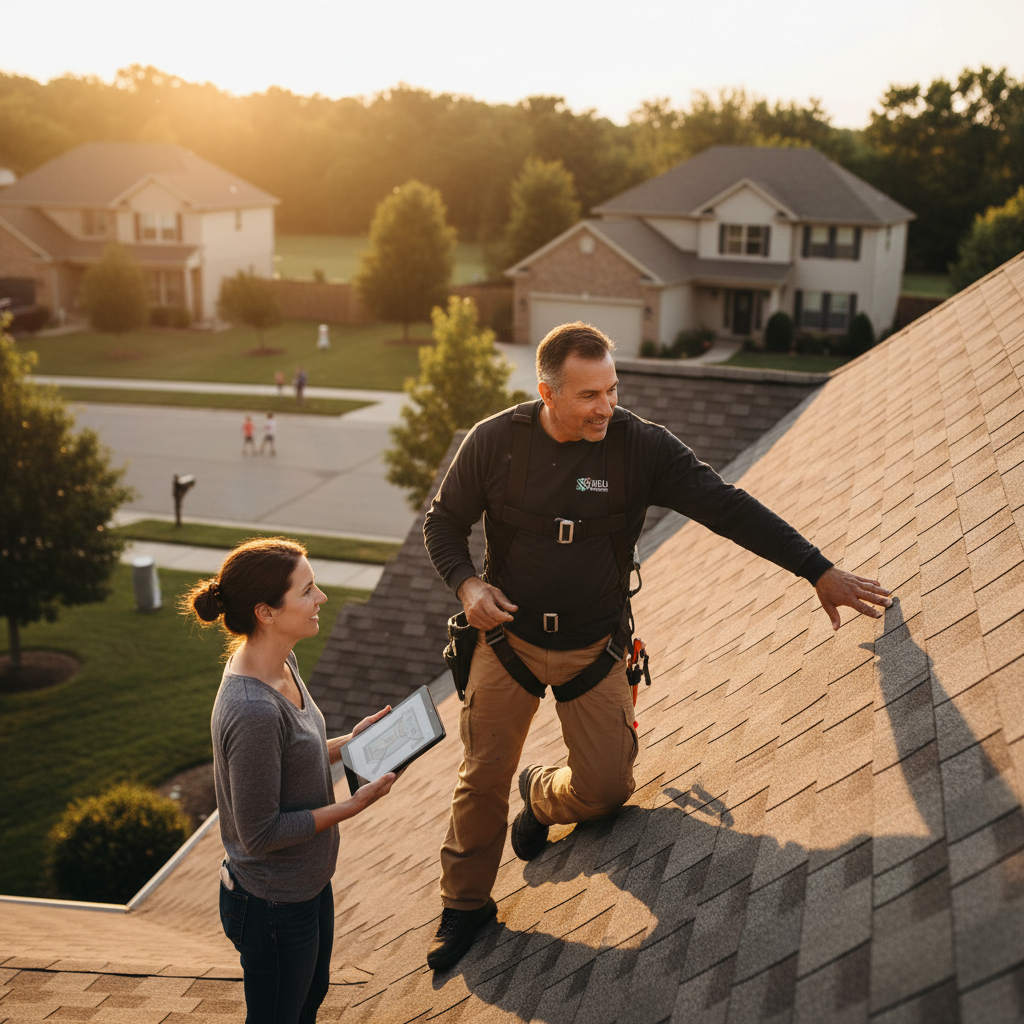
A new roof is one of the most significant and expensive projects you’ll ever undertake as a homeowner. It’s your home’s first line of defense against the elements, and getting it right is crucial for protecting everything—and everyone—underneath it. A typical asphalt shingle roof replacement can cost anywhere from $8,000 to $20,000 or more, depending on your home's size, the roof's complexity, and the materials you choose.
With so much on the line, choosing the right contractor is paramount. The difference between a reputable pro and a fly-by-night operator can be the difference between a secure, leak-free roof that lasts 25 years and a disaster that costs you thousands in constant repairs and water damage. The key to telling them apart? Asking the right questions before you sign a contract.
Good contractors expect and welcome informed questions. They understand this is a big decision and want you to feel confident in their ability to do the job correctly. Shady operators, on the other hand, will often get defensive, vague, or try to rush you into a decision. These five questions will help you vet potential roofers, compare bids thoughtfully, and hire with confidence.
1. Are You Licensed and Insured?
This is the most important question you can ask, and it should be your first. It's a non-negotiable, pass/fail test. If the answer is anything but a confident "Yes," you should end the conversation and move on. Let's break down why both parts of this question are so critical.
What ‘Licensed’ Actually Means for a Roofer
Licensing requirements for roofers vary significantly by state and even by city or county. Some states have strict requirements, including passing an exam, proving experience, and showing financial stability. Other places have no statewide licensing at all.
- Why it matters to you: A license is your first indicator of professionalism and legitimacy. It proves the contractor has met the minimum requirements set by your local governing body. It also provides a public record you can check for complaints and gives you an avenue for recourse if something goes wrong. An unlicensed roofer is operating outside the law, and if they disappear, you have little to no way to hold them accountable.
Action Step: Don't just take their word for it. A professional roofer will be happy to provide their license number. You can then verify it online with your state’s licensing board or your local building department. Make sure the license is current and in the name of the company or individual you are hiring.
Understanding Roofer's Insurance
Insurance is even more critical than licensing because it protects you financially. A roofing company should carry two key types of insurance.
General Liability Insurance: This covers damage to your property. If a roofer drops a bundle of shingles on your car, backs their truck into your garage door, or improperly seals a vent causing a leak that damages your ceiling, their general liability policy pays for the repairs. Without it, you'd be stuck suing the contractor to get your money, which is a long and uncertain process.
Worker's Compensation Insurance: This is vital. Roofing is a dangerous job. Worker's comp covers medical bills and lost wages for any crew members injured while working on your property. If your roofer does not have this coverage and a worker falls from your roof, you could be held liable as the property owner. That means their medical bills could become your responsibility, a scenario that could lead to financial ruin.
Action Step: Ask the roofer to provide a Certificate of Insurance (COI). This is a standard document that lists their coverage types, policy numbers, and limits. Don't accept a photocopy they bring with them; ask for the certificate to be sent to you directly from their insurance agent. This ensures the policy is active and hasn't been canceled.
2. Can You Provide a Detailed, Written Estimate?
An estimate scribbled on the back of a business card is a massive red flag. A professional estimate is a detailed document that outlines every aspect of the project. It’s not just about the final price; it’s about understanding exactly what you're paying for. Comparing detailed estimates is the only way to accurately compare bids. One roofer might be cheaper because they're cutting corners on crucial components like underlayment or flashing.
What to Look for in a Roofing Estimate
Your estimate should be a multi-page document that breaks down the project into line items. Here’s what it should include:
- Scope of Work: A clear description of the job, including the full tear-off of the old roof materials down to the roof deck.
- Materials: The specific brand, type, and color of shingles, underlayment, and other components. It shouldn't just say "shingles"; it should say "GAF Timberline HDZ in Charcoal."
- Labor Costs: A clear breakdown of the cost of the installation crew.
- Flashing and Drip Edge: Mention of replacing all roof flashing (around chimneys, vents, and valleys) and installing a new drip edge. This is a critical step that bad roofers often skip.
- Underlayment: Specification of the type of protective underlayment (e.g., synthetic felt, ice and water shield) being installed.
- Decking/Sheathing Replacement: A per-sheet cost for replacing any rotten or damaged wood roof decking found after the old roof is torn off. This is a common unknown, and having a pre-agreed price prevents a surprise bill.
- Ventilation: Details on the plan for attic ventilation (e.g., ridge vents, soffit vents), which is crucial for shingle longevity and energy efficiency.
- Cleanup and Debris Removal: A commitment to daily site cleanup and the cost of the dumpster and hauling away old materials.
- Permit Costs: The cost of obtaining the necessary building permit from your city or county.
- Payment Schedule: A clear schedule outlining when payments are due (e.g., 1/3 at signing, 1/3 at material delivery, 1/3 upon completion).
- Estimated Timeline: Approximate start and completion dates.
Red Flags in an Estimate
Be wary of estimates that are vague, unusually low, or come with high-pressure sales tactics. A common tactic is the "storm chaser" who offers a deep discount if you sign on the spot. A professional will give you time to review the details and compare bids. Also, be suspicious of any demand for a large upfront payment (more than 30-40%) or a request for cash payment.
3. Who Will Be On-Site, and Are They Employees or Subcontractors?
You're not just hiring a company owner; you're hiring the entire crew that will be working on your home for several days. It’s important to understand who those people are and who is responsible for their work.
Why It Matters: Employees vs. Subcontractors
Many reputable roofing companies use subcontractors, so it's not an immediate deal-breaker. However, it's a critical piece of information.
- Employees: When the crew are direct employees of the company you hired, the business owner has more direct control over their training, quality standards, and conduct. The company's worker's comp and liability insurance will cover them directly.
- Subcontractors: If the roofer subcontracts the labor, you need to ask a follow-up question: "Is your subcontractor's insurance coverage equivalent to yours?" The primary contractor should be able to provide proof of insurance for their subs. If they can't, you are exposed to the same liability risks mentioned earlier.
The real danger is a "sales-only" company that sells you the job and then hands it off to the lowest-bidding subcontracted crew they can find, with little to no oversight.
The Role of the Project Manager
Regardless of who is doing the work, you need a single, reliable point of contact. Ask, "Will there be a project manager or crew foreman on-site every day?" You want to know who to call if you have a question or concern during the installation. Having a dedicated supervisor on-site ensures the work is being done to spec and that any issues are addressed immediately, not after the job is finished.
4. What Warranties Do You Offer?
A new roof comes with two types of warranties, and you need to understand both. One covers the materials, and the other covers the labor. A great material warranty is useless if the roofer botches the installation.
Decoding Material Warranties
This is the warranty provided by the manufacturer of the shingles (e.g., GAF, Owens Corning, CertainTeed). Today, many architectural shingles come with a "lifetime" limited warranty. However, "lifetime" doesn't always mean what you think.
- Non-Prorated Period: For the first several years (typically 10-20), the warranty may cover 100% of the cost of defective materials and sometimes even the labor to replace them.
- Prorated Period: After that initial period, the coverage amount decreases over time. A 30-year-old shingle that fails may only have a reimbursement value of a few dollars.
Also, a manufacturer's warranty is only valid if the shingles are installed exactly according to their specifications. If your roofer skips a step, it can void the entire warranty, leaving you with no recourse if the materials fail prematurely.
The Importance of a Workmanship Warranty
This is the roofer’s own guarantee on their labor, and it’s arguably more important than the material warranty. Most roof leaks are not due to faulty shingles but to improper installation, especially around flashing, vents, and valleys.
A good roofer will stand behind their work with a workmanship warranty. This can range from 2 to 10 years, and some highly certified installers may even offer 25-year warranties. This warranty means that if the roof leaks due to an installation error, they will come back and fix it for free. Get the terms of this warranty in writing. It should clearly state what is covered and for how long.
5. How Will You Protect My Property and Handle Cleanup?
A roof replacement is a messy, disruptive process. Debris, nails, and heavy equipment can wreak havoc on your landscaping, driveway, and siding. A professional roofer has a plan to mitigate this damage, while a careless one can leave your yard looking like a disaster zone.
Protecting Your Landscaping and Home Exterior
Ask the contractor for their specific plan. A good answer will include:
- Moving patio furniture, grills, and potted plants out of the drop zone.
- Using tarps to cover flower beds, shrubs, and your home's siding.
- Potentially leaning plywood against windows and A/C units to protect them from falling debris.
This shows they respect your property and are thinking about the entire project, not just the roof itself.
The Cleanup Process
This is one of the biggest sources of homeowner complaints. Ask, "What does your cleanup process involve?" They should commit to cleaning the site at the end of each day and doing a thorough final sweep. Crucially, ask specifically about nails. Old roofing nails can be a serious hazard for kids, pets, and car tires. A reputable crew will use a powerful magnetic sweeper to meticulously go over your lawn, driveway, and garden beds to pick up stray fasteners. Finally, confirm that the dumpster and all debris removal fees are included in the estimate.
Putting It All Together: Reviewing Your Bids
After you've met with three or four roofers and received their detailed estimates, it's time to make a decision. Don't let price be your only guide. The cheapest bid often comes from a roofer who is cutting corners on materials, skipping steps, or isn't properly insured.
Lay out the estimates side-by-side. Compare them based on:
- Professionalism: Were they on time, knowledgeable, and willing to answer your questions thoroughly?
- Thoroughness: Is the estimate detailed and specific? Does it account for all the items listed above?
- Materials: Are they using quality materials from a reputable brand?
- Warranties: Who offers the strongest workmanship warranty?
- Trust: Which contractor gave you the most confidence that they would stand behind their work and take care of your home?
Choosing the roofer who provides the best overall value—a combination of a fair price, quality materials, solid warranties, and a professional process—is the smartest investment you can make in your home.
By taking the time to ask these critical questions, you transform yourself from a passive customer into an informed homeowner. You’ll be able to spot red flags, understand what you're paying for, and ultimately hire a qualified, trustworthy professional who will install a roof that protects your family and your investment for decades to come.
Frequently asked questions
How many roofing estimates should I get?+
You should aim to get at least three written estimates from different contractors. This allows you to compare pricing, the scope of work, material quality, and the professionalism of each company, helping you identify the best overall value, not just the lowest price.
What's the difference between a roof repair and a roof replacement?+
A repair targets a specific, localized issue like replacing a few blown-off shingles or sealing a leak around a vent. A replacement is a full-scale project that involves tearing off all old roofing material down to the deck and installing an entirely new roof system, which is done when a roof is old or has widespread damage.
Is the most expensive roofer always the best?+
Not necessarily. While a suspiciously low bid is a major red flag, the highest price doesn't automatically guarantee the best work. A better approach is to evaluate contractors based on their detailed estimates, insurance coverage, warranties, and references to find the best value.
How long does a typical roof replacement take?+
For an average-sized American home, a complete asphalt shingle roof replacement typically takes 2 to 4 days. This timeline can be affected by factors like the weather, the complexity and steepness of the roof, and the size of the installation crew.
Do I need a permit to replace my roof?+
In most jurisdictions across the U.S., a building permit is required for a full roof replacement (often called a 're-roof'). Your chosen contractor should be responsible for securing this permit, and its cost should be clearly listed on your estimate.