
7 Signs Your HVAC System Is on Its Last Legs
Is your HVAC system making strange noises or running up your energy bills? Learn the key warning signs of failure and know when to call a pro before it's too late.
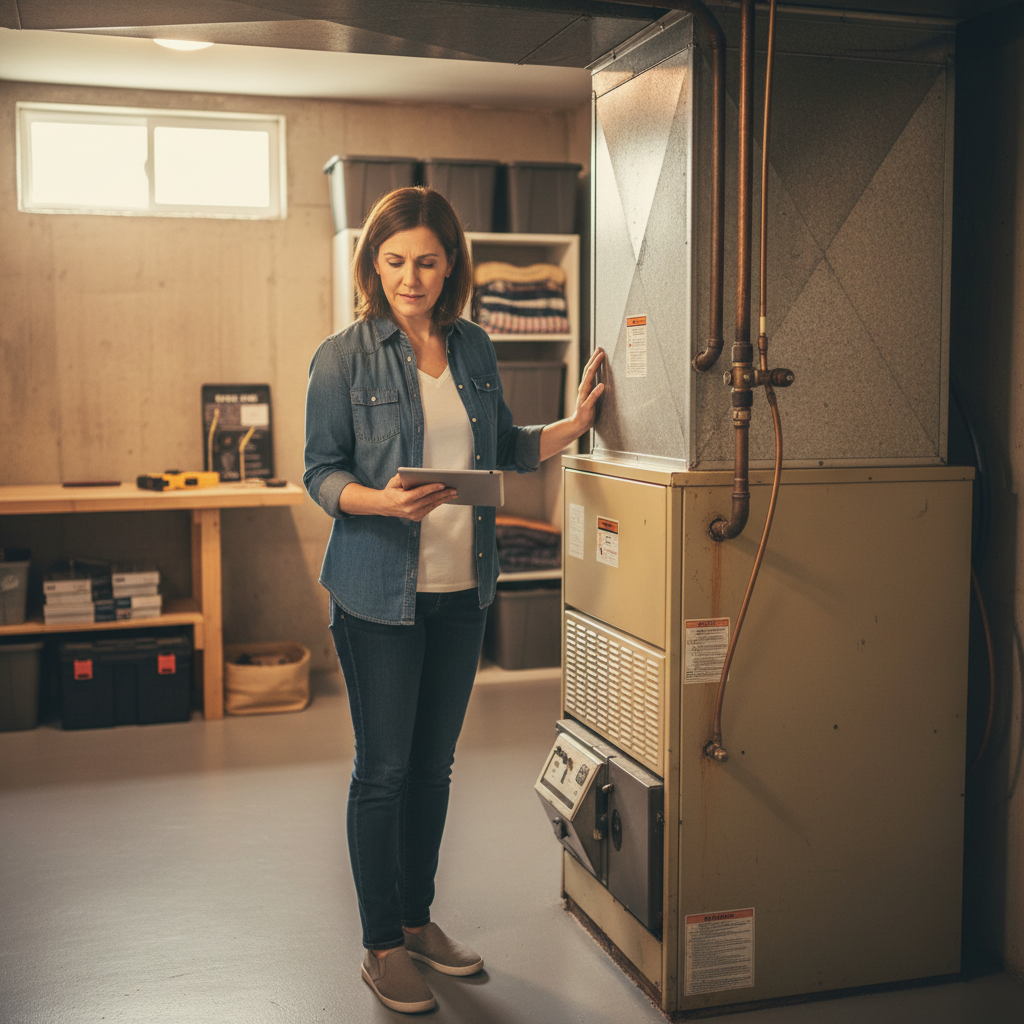
Your home's heating, ventilation, and air conditioning (HVAC) system is one of its most essential—and expensive—components. It works quietly in the background, keeping you comfortable year-round. But when it starts to fail, it rarely does so silently. Ignoring the early warning signs can lead to a catastrophic breakdown at the worst possible time, like during a heatwave or a polar vortex, leaving you with an emergency call and a much higher bill.
Recognizing the subtle (and not-so-subtle) clues that your system is in distress can help you make a smart, proactive decision. You can schedule a repair at your convenience or plan for a replacement on your own terms, not in a panic. This guide will walk you through the seven most common signs that your HVAC system is about to fail and what to do about them.
1. Strange Noises or Smells
One of the most immediate signs of trouble is when your HVAC system starts making sounds or emitting odors you've never noticed before. These are often direct indicators of a mechanical problem.
Unusual Sounds
Think of your HVAC system like a car—new noises are usually bad news. Here are some common culprits:
- Grinding or Scraping: This often points to a serious issue with the motor's bearings in either the indoor blower or the outdoor unit's fan. If you hear this, shut the system down immediately to prevent the motor from seizing up completely. This is a job for a qualified HVAC technician.
- Squealing or Chirping: This sound typically indicates a problem with a belt or motor bearing that's wearing out. While not as immediately catastrophic as a grinding noise, it needs to be addressed before the belt breaks or the motor fails.
- Banging or Clanking: A loud bang when the system kicks on or off could signal a problem with the compressor or a loose part like a piston pin or connecting rod. This is a severe issue that requires a professional diagnosis right away. Thumping or vibrating can also mean the indoor blower is unbalanced.
Unpleasant Odors
Smells coming from your vents are another major red flag.
- Burning Smell: A dusty, burning smell when you first turn on your furnace in the fall is common and usually just dust burning off the heat exchanger. However, if the smell persists or smells electrical or like burning plastic, turn the system off at the breaker immediately. It could be an overheated motor or a wiring issue, which is a significant fire hazard.
- Musty or Moldy Smell: This classic "dirty sock syndrome" smell indicates that mold or mildew is growing somewhere in your system—likely on the evaporator coils or in the ductwork. While you should start by changing your air filter, this odor usually requires a professional cleaning and inspection to ensure there isn't a larger moisture problem.
- Rotten Egg Smell: The smell of sulfur or rotten eggs is a sign of a natural gas leak. If you have a gas furnace, leave your house immediately, do not use any electronics or light switches, and call your gas company's emergency line from a safe distance. This is a serious safety emergency.
What This Means for You: Don't play detective for long. Any significant change in the sound or smell of your HVAC system warrants a call to a trusted HVAC professional. Shutting the system off for loud mechanical noises or acrid smells can prevent a small repair from turning into a full replacement.
2. Weak Airflow & Inconsistent Temperatures
Is one room an icebox while another is a sauna? Do you have to hold your hand right up to the vent to feel any air coming out? These are classic symptoms of an HVAC system that's struggling to do its job.
Weak airflow is often the first sign people notice. It means the air isn't being pushed through the ductwork with enough force to cool or heat your home effectively. This forces the system to run longer and harder, driving up your energy bills without delivering comfort.
Inconsistent temperatures are a related problem. If your system can no longer maintain an even temperature throughout the house, it points to a problem with its ability to distribute conditioned air properly.
Potential Causes
- A Clogged Air Filter: This is the most common and easiest-to-fix cause. A filthy filter severely restricts airflow, suffocating your system. Before calling a pro, always check your filter. If you can't see light through it, replace it.
- Leaky or Blocked Ductwork: Your ducts are the arteries of your HVAC system. Over time, they can develop leaks, become disconnected, or get blocked by debris (or even pests). A technician can perform a test to see how much air is being lost in the ducts—it can be as high as 30% in older homes.
- A Failing Blower Motor: The blower is the fan that pushes air through the vents. If the motor is failing, it won't be able to move air effectively, leading to weak airflow.
- A Malfunctioning Compressor: The compressor is the heart of your air conditioner. If it's failing, your system won't be able to cool the air properly, even if the fan is blowing.
What This Means for You: Start with the simple fix: check and change your air filter. If that doesn't solve the problem, it's time to call in a professional. They can inspect your ductwork, test your blower motor, and check refrigerant levels to diagnose the root cause. A duct sealing job might cost $1,000–$2,500 but can drastically improve comfort and efficiency. A failing motor or compressor is a more significant repair that will force you to weigh the cost against a full system replacement.
3. Your Energy Bills Are Suddenly Skyrocketing
Your monthly utility bill is a direct report card on your HVAC system's efficiency. A sudden, unexplained spike in your electricity or gas bill is a clear sign that something is wrong. As HVAC components age, they lose efficiency and have to run longer and harder to achieve the same temperature you've set on your thermostat.
An old air conditioner might have a SEER (Seasonal Energy Efficiency Ratio) rating of 8 or 10, whereas new standard models are required to be at least 14-15 SEER, depending on the region. A new, high-efficiency furnace might be 95% efficient (meaning 95 cents of every dollar you spend goes to heating your home), while your old one might be only 70-80% efficient. That difference adds up quickly.
What This Means for You: Don't just sigh and pay the higher bill. Pull up your statements from the same month last year for comparison. If you see a 20-50% increase that isn't explained by a rate hike or extreme weather, your HVAC system is likely the culprit. A professional tune-up can sometimes restore some lost efficiency, but more often than not, a significant and sustained increase in energy use from an older unit means it's nearing the end of its useful life. The money you're wasting on energy could be going toward a new, reliable system that will lower your bills for years to come.
4. Frequent Breakdowns & The Repair-vs-Replace Dilemma
Does it feel like you have your HVAC technician on speed dial? One repair call on an aging system is understandable. Two in one season is a pattern. If your system is breaking down multiple times a year, it's a clear sign that its components are failing in a domino effect.
This is where homeowners face the classic dilemma: should you pay for another expensive repair or invest that money in a new system? HVAC professionals often use a simple guideline to help:
The 50% Rule: Multiply the age of your unit by the estimated cost of the repair. If that number is more than the cost of a new system (which typically ranges from $8,000 to $15,000 for a full furnace and AC replacement), you should strongly consider replacement.
For example, if your 12-year-old air conditioner needs a $1,000 compressor repair, the calculation is 12 x $1,000 = $12,000. If a new system costs $10,000, replacement is the financially sounder option.
When deciding, consider these factors:
- Age of the System: Is it past the 10-year mark for an AC or the 15-year mark for a furnace?
- Cost and Scope of Repair: Is it a minor part, or a major component like the compressor or heat exchanger?
- System Efficiency: How much could you save on monthly bills with a new high-efficiency model?
- Your Future Plans: Do you plan to stay in the home for more than five years? Investing in a new system adds value and comfort.
What This Means for You: Stop throwing good money after bad. If you're facing a repair that costs more than a few hundred dollars on an older system, get a quote for a full replacement as well. A reputable contractor won't pressure you but will lay out the costs and benefits of both options so you can make an informed decision.
5. Your HVAC System's Age
Even a well-maintained HVAC system has a finite lifespan. Knowing the age of your unit is critical to planning for its eventual replacement. If you don't know how old your system is, you can usually find the manufacturing date on a label on the side of the outdoor condenser or inside the furnace cabinet.
Here are the typical life expectancies for HVAC equipment in the US:
- Central Air Conditioners: 10–15 years
- Furnaces (Gas or Electric): 15–20 years
- Heat Pumps: 10–12 years (since they run year-round for both heating and cooling)
If your system is entering or has surpassed this age range, it's living on borrowed time. Technology has advanced significantly in the last decade. New systems are not only more energy-efficient but also offer better comfort features like variable-speed blowers and smart thermostat integration.
Furthermore, if your air conditioner was installed before 2010, it likely uses R-22 refrigerant (Freon). The federal government has phased out the production and import of R-22 due to its environmental impact. This means that if your old system develops a refrigerant leak, the cost to recharge it is now prohibitively expensive, making replacement the only logical choice.
What This Means for You: If your system is over 10 years old and showing any of the other signs on this list, start planning and budgeting for a replacement now. Don't wait for it to fail. Shopping for a new HVAC system in the spring or fall (the "shoulder seasons") often gives you more time to get multiple quotes, and contractors may be more available and offer better pricing than during their peak summer and winter seasons.
6. Visible Moisture, Leaks, or Ice
Never ignore visible signs of moisture or corrosion on or around your HVAC units. While a little condensation on the outside of your AC unit is normal on a humid day, pooling water or ice buildup is not.
- Water Leaks: A puddle of water around your indoor air handler or furnace usually means the condensate drain line is clogged or cracked. This line is supposed to carry condensation away from the unit. If it backs up, it can cause significant water damage to your floors, ceiling, and walls. While sometimes this is an easy DIY fix with a wet/dry vac, it can also signal a more serious problem and is worth a professional look.
- Ice Buildup: Finding ice on your evaporator coils (inside) or on the refrigerant lines running to your condenser (outside) is a major red flag. This is not because it's working too well. It's almost always a sign of either restricted airflow (again, check that filter!) or a refrigerant leak. Running the system with ice buildup can destroy the compressor, the most expensive part of the unit.
- Rust and Corrosion: Visible rust on the furnace cabinet, on coils, or around connections indicates that the system is breaking down. Corrosion can lead to refrigerant leaks or compromise the integrity of the heat exchanger in a furnace, which can lead to a dangerous carbon monoxide leak.
What This Means for You: If you see ice, turn the system off to let it thaw completely, and call a technician. Do not try to chip the ice off, as you can easily damage the delicate coils. For water leaks, a pro can quickly diagnose if it's a simple clog or a symptom of a larger issue. Visible corrosion on an older unit is a strong sign that it’s time to start shopping for a replacement.
7. Excessive Dust & Poor Indoor Air Quality
Is your home dustier than usual? Are your allergies acting up more inside the house? While your HVAC system's primary job is heating and cooling, it also plays a huge role in filtering your home's air. A struggling system can't do this job effectively.
If your system has leaky ductwork, it can pull in dusty, dirty air from your attic, crawlspace, or basement and distribute it throughout your house. An old, failing blower might not be moving enough air through the filter to capture contaminants effectively. In some cases, a cracked heat exchanger in a furnace can introduce combustion byproducts, including carbon monoxide, into your airstream.
What This Means for You: An increase in dust is an annoyance, but a decline in indoor air quality is a health concern. If you've noticed these issues along with others on this list, it's another piece of evidence that your HVAC system is failing. When you call a pro, mention your air quality concerns. They can check for leaky ducts and discuss options like better filters or whole-home air purifiers, which can be integrated with a new HVAC system.
Don't Wait for a Breakdown
Your HVAC system is the unsung hero of your home's comfort. By learning to spot these seven signs of distress, you can move from a reactive to a proactive homeowner. You'll be able to schedule service on your terms, budget effectively, and make a clear-headed decision about repairing or replacing. If your system is showing its age, don't wait for it to leave you in the cold (or heat). Contact a vetted, local HVAC professional for an honest assessment.
Frequently asked questions
How much does a professional HVAC inspection or tune-up cost?+
A standard HVAC tune-up typically costs between $100 and $250. This service includes cleaning coils, checking refrigerant levels, inspecting electrical connections, and ensuring the system is operating safely and efficiently. It's a worthwhile investment to catch problems early and extend the life of your unit.
Can I really save money by replacing my HVAC system before it dies?+
Yes, for two main reasons. First, a new, high-efficiency system can significantly lower your monthly energy bills, with savings often reaching 20-40%. Second, you can plan the purchase during the off-season (spring or fall) when contractors may offer better pricing and rebates are often available, rather than paying emergency rates for a sudden failure.
What's the difference between a furnace and a heat pump?+
A furnace creates heat by burning fuel (like natural gas) or using electric resistance coils. A heat pump doesn't create heat; it moves it. In winter, it extracts heat from the outside air and moves it inside, and in summer, it reverses the process to act as an air conditioner. Heat pumps are most efficient in moderate climates.
My AC is blowing air, but it's not cold. What's the most likely cause?+
The most common causes are a very dirty air filter restricting airflow over the coils or low refrigerant levels due to a leak. Start by checking your air filter. If it's clean, you likely have a refrigerant issue or a problem with your outdoor compressor, both of which require a licensed technician to diagnose and repair.
How often should I really change my air filter?+
For basic 1-inch fiberglass filters, you should check them monthly and change them at least every 90 days. If you have pets, allergies, or live in a dusty area, you should change them every 30-45 days. Thicker, pleated filters (4-5 inches) can last much longer, typically 6 to 12 months.