
A Homeowner's Guide to Fence Installation: Costs, Materials, and Permits
Thinking about a new fence? This guide breaks down material costs, navigate permits and HOAs, and explains how to hire a qualified fence contractor for your project.
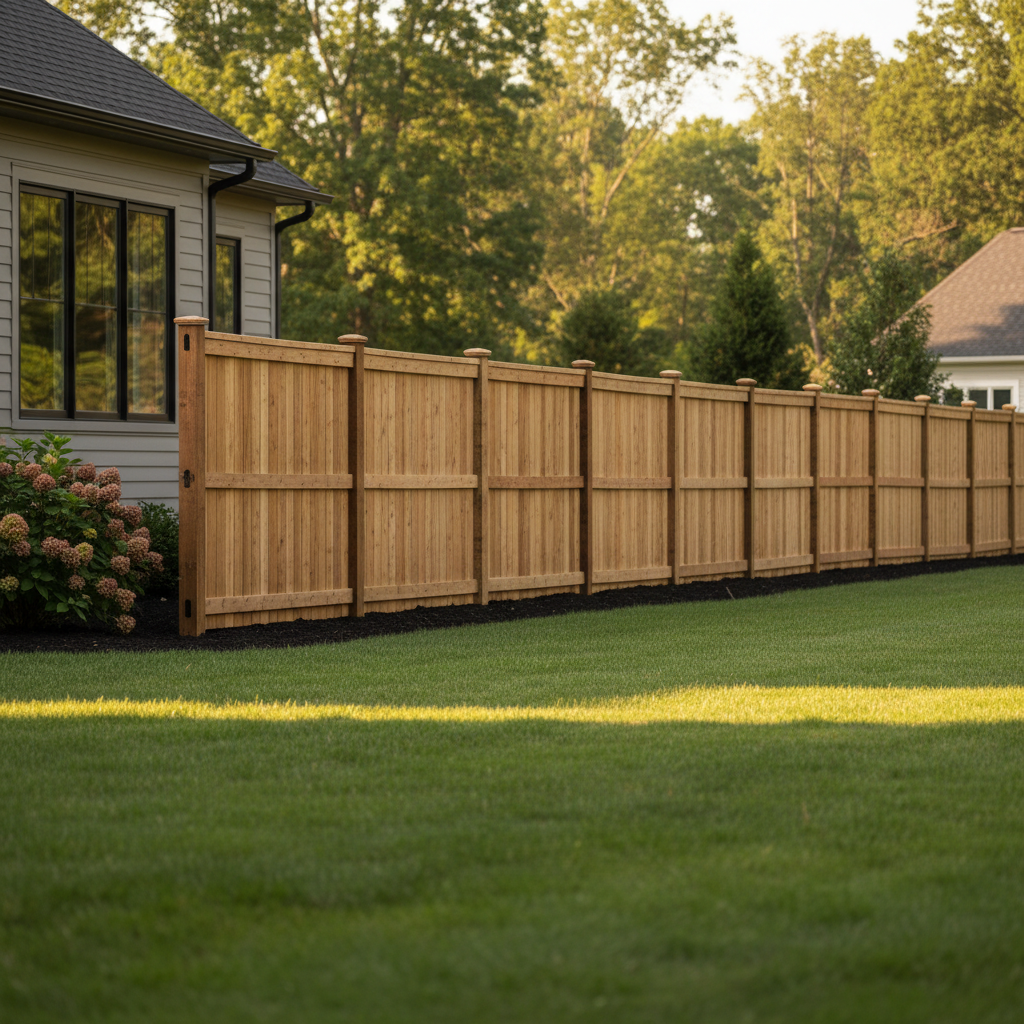
A new fence is one of the most transformative projects you can undertake for your home's exterior. It can provide privacy, keep kids and pets safe, improve security, and boost curb appeal. But unlike a simple coat of paint, installing a fence is a significant construction project with a lot of moving parts.
From choosing the right material to navigating a maze of local regulations, the decisions you make before a single post hole is dug will determine the success, cost, and longevity of your investment. This guide will walk you through everything you need to know to plan your project, understand the costs, and hire the right professional for the job.
First, Ask Why: Defining Your Fence's Purpose
Before you fall in love with a specific look or material, the most important question to answer is: What is this fence for? Your primary goal will influence every other choice, including height, style, and material.
- Privacy: If you want to create a secluded backyard oasis and block the view from neighbors or a busy street, you'll need a solid or semi-solid fence that is at least six feet tall. Privacy fences are typically made of wood, vinyl, or composite materials.
- Security: To deter trespassers, a tall, hard-to-climb fence is key. Aluminum or steel fences with pointed pickets are excellent security options. While a six-foot privacy fence also provides security, some homeowners in higher-risk areas opt for even taller fences where local codes allow.
- Keeping Pets and Children Safe: The main concern here is containment. The fence must be tall enough that your dog can't jump it and have gaps small enough that a small child or pet can't squeeze through. The material is less important than the design, though you'll want something durable that can withstand a bit of wear and tear.
- Pool Safety: Most municipalities have very strict codes for pool fences to prevent accidental drowning. These codes dictate the minimum height (usually 4-5 feet), the maximum gap size between pickets, and the type of self-closing, self-latching gates required. Aluminum is a popular and compliant choice for this purpose.
- Aesthetic Appeal and Boundary Marking: If your main goal is to define your property line and add a decorative touch, your options are wide open. A classic white picket fence or a low, decorative metal fence can add immense charm without a major investment.
What this means for you: Deciding on your fence's primary job first will narrow down your material and style options, making the selection process much less overwhelming. When you speak to a contractor, leading with your goal (e.g., "I need a fence to keep my large dog in the yard") will help them recommend the most practical and cost-effective solutions.
Choosing Your Weapon: A Guide to Fence Materials
Your choice of material is the biggest factor influencing your fence's cost, appearance, and long-term maintenance needs. Here’s a breakdown of the most common options.
Wood Fencing
Wood is the timeless, classic choice, beloved for its natural beauty and customizability. It can be stained or painted any color to match your home.
- Pros: Beautiful, highly customizable, generally more affordable upfront than vinyl or composite.
- Cons: Requires regular maintenance (staining or sealing every 3-5 years) to prevent rot, warping, and insect damage. Lifespan is shorter than other materials.
- Common Types:
- Pressure-Treated (PT) Pine: The most budget-friendly option. It's chemically treated to resist rot and insects, but can be prone to warping and cracking if not properly maintained.
- Cedar: A popular upgrade. It's more expensive than PT pine but is naturally resistant to rot and insects, and less prone to warping. It has a rich, attractive color.
- Typical Installed Cost: $20–$40 per linear foot.
Vinyl (PVC) Fencing
Vinyl fencing is engineered for low maintenance. It comes in a variety of styles, from privacy panels to picket fences, and is available in several basic colors (white and tan are most common).
- Pros: Extremely low maintenance (just needs occasional washing), will not rot, warp, or get termites. Comes with a long warranty.
- Cons: Higher upfront cost than wood. Can become brittle in extreme cold and may crack on impact. Color choices are limited, and it cannot be repainted.
- Typical Installed Cost: $30–$55 per linear foot.
Aluminum & Steel Fencing
Often designed to mimic the look of traditional wrought iron, aluminum is a lightweight, rust-proof, and elegant option perfect for security and pool enclosures. Steel is heavier and stronger, offering maximum security, but is more susceptible to rust if its protective coating is scratched.
- Pros: Very durable and long-lasting, virtually no maintenance, offers a high-end look. Excellent for security and pool safety.
- Cons: Does not provide privacy. Can be one of the more expensive options.
- Typical Installed Cost: $35–$60+ per linear foot.
Chain-Link Fencing
Chain-link is the no-frills, utilitarian workhorse of the fencing world. It’s a cost-effective solution for creating a secure boundary.
- Pros: Most affordable option, very durable, maintenance-free. Great for large areas or keeping pets contained.
- Cons: Offers zero privacy and is often considered less aesthetically pleasing. Vinyl-coated options (typically black or green) can help it blend into the landscape better.
- Typical Installed Cost: $15–$30 per linear foot.
Composite Fencing
The newest material on the block, composite fencing is made from a blend of recycled plastic and wood fibers. It's designed to offer the look of wood with the low-maintenance benefits of vinyl.
- Pros: Mimics the rich look of wood, extremely durable, won't rot or splinter, and requires very little maintenance. Often made from recycled materials.
- Cons: Typically the most expensive fencing material. Can be very heavy, requiring more robust installation.
- Typical Installed Cost: $45–$75+ per linear foot.
Decoding the Quote: What Goes Into Fence Installation Costs
The price you're quoted for a new fence is usually calculated per linear foot. This bundled price includes both materials and labor. For a typical 150-linear-foot project, you can expect the total cost to range from $2,250 for basic chain-link to over $11,000 for high-end composite.
So, what else goes into that final number besides the material itself? Be on the lookout for these common factors that can increase your total cost:
- Gates: Every gate is an extra cost. A simple 4-foot walkway gate might add $300–$600, while a wide, double-drive gate could add $800–$2,000 or more, especially if you want an automatic opener.
- Tear-Out and Disposal: If you have an old fence that needs to be removed, expect to pay an additional $3–$7 per linear foot for the labor and disposal fees.
- Site Preparation: If your proposed fence line is covered in thick brush, trees, or rocks, the crew will need extra time to clear it, adding to the labor cost.
- Slopes and Difficult Terrain: Installing a fence on a steep grade is much more labor-intensive than working on flat ground. The crew may need to rack or step the panels, which takes more time and skill.
- Fence Height: A standard 6-foot fence will cost more than a 4-foot fence of the same material because it requires longer posts and more material per panel.
- Permit Fees: Your contractor may pull the required permits on your behalf and include the municipal fee in your overall bill.
The Permit and Property Line Puzzle: Avoid These Gotchas
This is where homeowners can get into the most trouble. A mistake with permits or property lines can force you to tear down a brand-new fence at your own expense. Do not cut corners here.
City Permits vs. HOA Rules
Your project may be governed by two separate sets of rules: your local municipality (city or county) and your Homeowners Association (HOA), if you have one. You must comply with both. Often, HOA rules are stricter than city codes, limiting you to specific materials, colors, or heights. Get written approval from your HOA before you sign a contract with a fence company.
Know Your Property Lines—Exactly
Never assume you know where your property line is. The old fence, a row of trees, or the edge of your lawn might be incorrect. Hiring a licensed surveyor to mark your property corners is the only way to be 100% certain. A property survey might cost $400–$800, but it's cheap insurance against a multi-thousand-dollar dispute with your neighbor over an encroaching fence.
What this means for you: Your fence contractor is not a surveyor. It is the homeowner's responsibility to define the property line. A good contractor will insist on knowing the exact line before they start work.
Setbacks and Easements
Your city code will likely specify a "setback," which is the minimum distance your fence must be from a sidewalk, street, or property line. There may also be utility "easements" on your property—strips of land that utility companies have the right to access. You typically cannot build a permanent structure like a fence on an easement.
Don't Forget to Call 811
Before any digging begins, you or your contractor must call 811. This is a free national service that contacts local utility companies to come to your property and mark the approximate location of underground gas, electric, and communication lines. Hitting one of these lines is incredibly dangerous and can lead to massive repair bills.
How to Hire a Fence Contractor You Can Trust
Vetting your contractor is the final, crucial step to a successful project. A great installation can make even a budget-friendly material look fantastic, while a poor installation can ruin the most expensive fence.
Look for a professional contractor who:
- Is properly licensed and insured. Ask for proof of both a local business license and, more importantly, general liability insurance and worker's compensation insurance. This protects you if a worker gets injured or your property is damaged.
- Has a strong portfolio and references. Ask to see photos of their recent work, specifically with the material you've chosen. Call a few recent references to ask about their experience.
- Provides a detailed, written estimate. A vague, one-line quote is a red flag. A professional quote should include:
- Total linear feet and fence height.
- Exact material type, grade, and style.
- Number, size, and style of gates.
- A clear cost breakdown (or at least line items for tear-out, gates, etc.).
- Details on installation methods (e.g., post depth, concrete per post).
- A timeline for the project and a clear payment schedule.
What this means for you: Get at least three quotes. This isn't just about finding the lowest price. It allows you to compare the scope and detail of each bid, helping you spot the most thorough and professional contractors.
The Installation Process: From Dirt Pile to Dream Fence
Once you've signed a contract, a typical fence installation follows a predictable pattern.
- Prep Work (Week 1): Your contractor will order materials and handle the permit application. This is also when 811 is called to have utility lines marked. You should clear any personal items from the fence line.
- Day 1: Layout and Digging: The crew arrives to tear out the old fence (if applicable), lay out the new fence line with stakes and string, and dig all the post holes with a power auger.
- Day 2: Setting Posts: The crew places each post in its hole, ensures it's perfectly plumb and spaced correctly, and fills the hole with wet concrete. This is the foundation of your fence. The posts must then be left alone to cure for 1-3 days. A contractor who tries to build on fresh posts the same day is cutting a critical corner.
- Day 3-4: Building the Fence: Once the concrete is hard, the crew returns to attach the rails and then the pickets or panels to the posts. They'll also hang the gates and install the latch hardware.
- Final Day: Cleanup and Walkthrough: The team will clean up the job site, removing all scraps and dirt piles. Finally, you'll do a walkthrough with the project manager to inspect the finished work, check the gates, and address any concerns before making the final payment.
Building a fence is a major upgrade for your home. By understanding your goals, materials, and local rules, you can approach the project with confidence and make a smart, lasting investment in your property.
Frequently asked questions
Who is responsible for determining the exact property line?+
The homeowner is ultimately responsible for knowing where their property line is. While a fence contractor will follow your instructions, they are not licensed surveyors. To avoid costly disputes with neighbors, it's highly recommended to hire a surveyor to mark your property corners before the project begins.
How long does a typical fence installation take from start to finish?+
For an average-sized backyard, the on-site work usually takes 3-5 days. This includes a crucial 1-2 day period for the concrete around the posts to cure properly. The entire process, from signing the contract to completion, can take 2-4 weeks to allow for material ordering and permit processing.
Can I save money by buying the fence materials myself?+
While it seems logical, this approach rarely saves you money and can cause headaches. Contractors get materials at a wholesale discount you can't access, and they know exactly how much to order. If you buy the materials, you also become responsible for any shortages, returns, or damaged items, and some installers may not warranty work done with customer-supplied materials.
What is the best time of year to install a new fence?+
You can install a fence any time the ground isn't frozen solid. Late spring and summer are the busiest seasons, so you may face longer waits. The fall is an ideal time as demand slows, the weather is mild, and your landscaping is less likely to be damaged.
Does my contractor handle the building permit?+
Most professional fence contractors will handle the permit application process as part of their service, including the fee in your overall quote. However, you should always confirm this when reviewing your contract. Homeowner's Association (HOA) approval, on the other hand, is almost always the homeowner's responsibility.