
Repipe vs. Patch: A Homeowner's Guide to Plumbing Decisions
Is that single leak a quick fix or the sign of a bigger problem? Learn when a simple pipe patch will do and when it's time to consider a whole-house repipe.
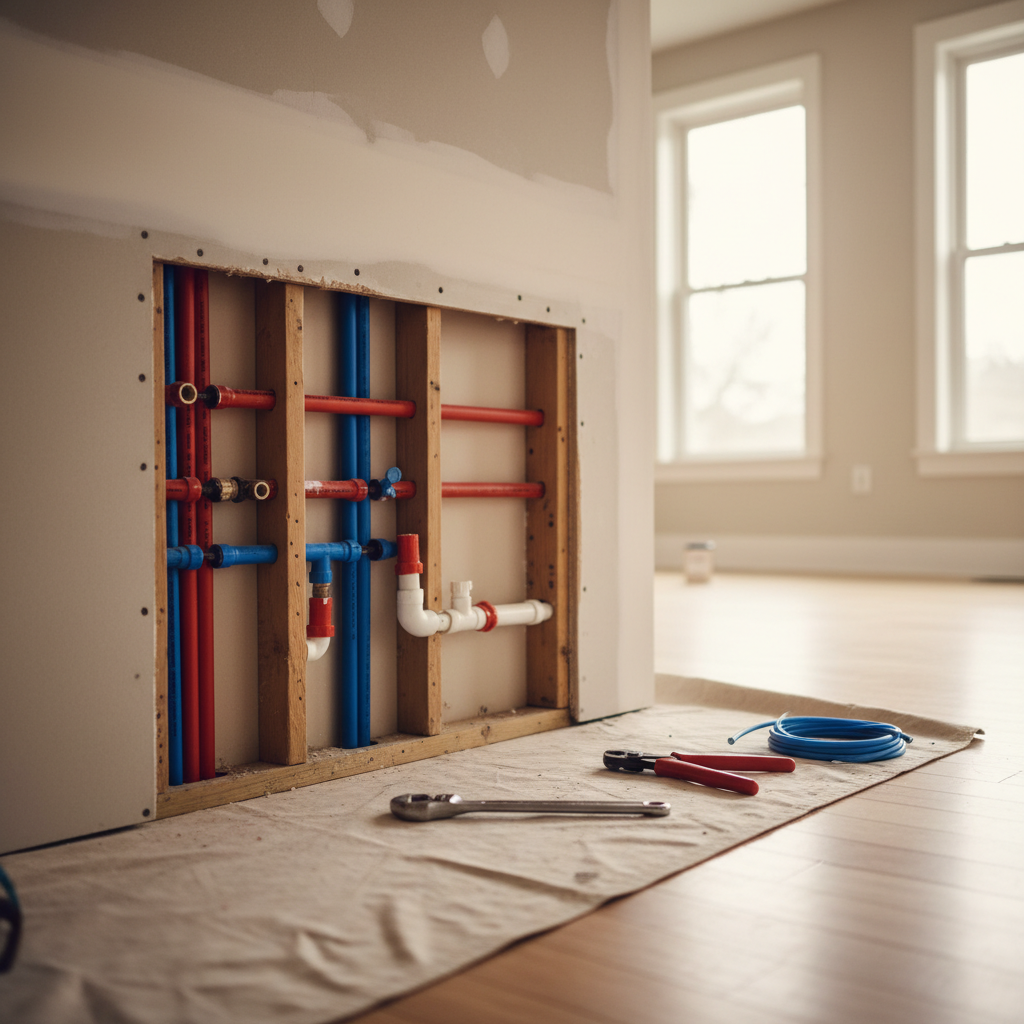
It often starts with a small, dark spot on the ceiling or a puddle under the sink. A pipe leak is one of those home maintenance issues that immediately triggers a sense of dread. Your first instinct is to call a plumber and get it fixed—fast. But when the plumber arrives, you might be faced with a bigger question than you expected: should you just patch this single leak, or is this a sign that your entire home needs to be repiped?
This is a major decision with significant financial implications. A simple patch might solve the immediate problem for a few hundred dollars, while a whole-house repipe is a multi-thousand-dollar project. Making the right choice isn't just about cost; it's about protecting your home from future water damage, improving your water quality, and making a smart long-term investment. This guide will walk you through the factors to consider, so you can have an informed conversation with your plumber and make the best decision for your home.
What's the Difference? Patch vs. Repipe Explained
Before you can decide, it's important to understand exactly what a plumber means when they present these two options. They are vastly different in scope, cost, and disruption.
The Quick Fix: Patching a Pipe
A patch is a localized repair. It targets only the specific point of failure in your plumbing system. Depending on the pipe material and the nature of the leak, a plumber might:
- Use a clamp or sleeve: A temporary but often effective fix, especially for pinhole leaks in otherwise solid pipe. It involves clamping a rubber-lined metal sleeve around the leak.
- Cut out and replace a small section: This is the most common professional repair. The plumber will cut out the damaged portion of the pipe and replace it with a new piece, connecting it with fittings (like soldering for copper or using crimp rings for PEX).
When a Patch Makes Sense:
- It's a single, isolated incident. The leak was caused by accidental physical damage, like a nail or screw hitting a pipe in the wall.
- Your pipes are relatively new. If your copper or PEX pipes are only 10-15 years old and otherwise in great shape, a single leak isn't usually cause for alarm.
- The leak is in an accessible location. A repair to an exposed pipe under a sink is fast and straightforward.
A patch is a reactive solution. Its primary benefit is that it's fast, relatively inexpensive, and minimally disruptive to your home. However, if the leak is caused by corrosion or material degradation, a patch is just a band-aid on a much larger problem.
The Major Overhaul: Whole-House Repiping
A whole-house repipe is a proactive, comprehensive solution. It involves abandoning your home's existing hot and cold water supply lines and running entirely new ones. Plumbers will typically run new pipes made of modern materials like PEX (cross-linked polyethylene) or copper through your walls, attic, and crawlspace, connecting them to every fixture—sinks, toilets, showers, washer, water heater, etc. The old, failing pipes are usually left in place but are capped off and no longer used.
When a Repipe is Necessary:
- Your pipes are old and failing. Galvanized steel pipes from the 1960s or earlier, or problematic polybutylene pipes from the 80s and 90s, are prime candidates.
- You're experiencing multiple leaks. If you're fixing a new leak every six months, you're in a losing battle. The cost of repeated emergency calls and drywall repairs will quickly add up.
- Your water quality or pressure is poor. Widespread corrosion can turn your water brown and choke off the flow, leading to frustratingly weak showers.
A repipe is a major project. It's more expensive and disruptive than a patch, but it provides a permanent solution, peace of mind, and can even increase your home's value.
Key Signs It's Time to Consider a Repipe
How do you know if your single leak is a fluke or the tip of the iceberg? Look for these systemic warning signs. If you're nodding along to two or more of these points, it's time to have a serious conversation with a plumber about a repipe.
- Age and Material of Your Pipes: This is the number one factor. If you don't know what kind of pipes you have, a plumber can tell you. Here's a general guide:
- Galvanized Steel (Typically pre-1970s): These pipes have a service life of 40-60 years. They are prone to rusting from the inside out. If you have them, you are a prime candidate for a repipe.
- Polybutylene (PB) (Approx. 1978-1995): This gray plastic pipe was notorious for failing unexpectedly and causing major damage. If you have PB pipes, you shouldn't patch them; you should replace them immediately.
- Copper: A durable material with a lifespan of 50+ years. However, certain water conditions or improper installation can cause pinhole leaks earlier in its life.
- Multiple Leaks in a Short Period: This is the clearest sign of systemic failure. The money you spend on patching three separate leaks, including the emergency service fees and drywall repair each time, could be a significant down payment on a permanent repipe solution.
- Low Water Pressure Throughout the Home: Do your showers feel weak? Does your washing machine take forever to fill? Over time, corrosion and mineral deposits build up inside old galvanized pipes, restricting water flow. If the pressure is low at every faucet, the problem isn't the fixture; it's the pipes themselves.
- Discolored or Rusty Water: If the water comes out brown or yellow when you first turn on a faucet (especially a hot one), that's rust from inside your pipes breaking free. This is a very common sign in homes with old galvanized plumbing.
- Visible Corrosion on Exposed Pipes: Go into your basement, crawlspace, or look under your sinks at any visible pipes. Do you see flaking, bubbling, dimpling, or greenish-blue stains (on copper)? These are all signs of active corrosion. If it's happening where you can see it, it's almost certainly happening inside your walls, too.
The Financial Equation: Cost of Patching vs. Repiping
For most homeowners, the decision comes down to cost. It's crucial to weigh the short-term expense of a patch against the long-term investment of a repipe.
The Cost of a Patch
A simple plumbing repair is a common service call. The cost is primarily driven by labor and access.
- Typical Cost Range: For a single, accessible leak repair, you can expect to pay between $300 and $750.
- Factors That Increase Cost:
- Emergency Service: Calling a plumber at night or on a weekend will add a significant premium.
- Accessibility: If the plumber has to open up a wall, ceiling, or (in a worst-case scenario) a concrete slab to reach the pipe, the cost for labor and subsequent repair will be much higher. The plumbing bill won't include fixing the drywall; that's a separate cost you'll need to budget for.
The Cost of a Whole-House Repipe
This is a capital improvement project, and the price reflects that. The good news is that it's a predictable, one-time expense, unlike a series of surprise leaks.
- Typical Cost Range: For a standard 2-to-3-bedroom, 2-bath home, a whole-house repipe generally costs between $6,000 and $18,000.
- Factors That Influence the Cost:
- Size of the Home: More fixtures and more square footage mean more pipe and more labor.
- Foundation Type: A home with a basement or crawlspace is much easier (and cheaper) to repipe than a home built on a concrete slab, which requires more complex pipe routing through walls and attics.
- Pipe Material: PEX is the most common choice today. It's flexible, durable, and less expensive than copper. A copper repipe can cost 25-40% more due to higher material and labor costs.
- Drywall Repair: This is critical. Most plumbing quotes for a repipe do not include the cost of repairing the holes they cut in your walls. This can add another $1,000 to $3,000+ to the total project cost. Always clarify if wall repair and painting are included in your bid.
Understanding the Process: What to Expect During a Repipe
The idea of plumbers cutting holes in your walls can be intimidating. A professional crew, however, follows a methodical process designed to minimize disruption.
Consultation & Plan: The plumber will do a thorough walk-through of your home, identifying the location of all fixtures and planning the most efficient routes for the new pipes. You'll discuss material options (PEX vs. Copper) and get a detailed bid.
Preparation: On day one, the crew will lay down floor coverings and plastic sheeting to protect your home and furniture. They will then begin strategically cutting small, precise openings in the drywall to access key areas for running pipe.
Running New Lines: This is the bulk of the work. The team will run the new hot and cold lines through the attic, crawlspace, and inside walls, pulling them to each fixture location. The flexibility of PEX piping makes this process much faster and less destructive than it used to be.
The Switchover: For most of the project, your water will remain on. The final step is the switchover. The crew will shut off the main water supply, disconnect your fixtures from the old pipes, and connect them to the new ones. They'll also connect the new system to your water heater. This typically leaves you without water for only a few hours on the final day.
Inspection & Restoration: After the new system is installed and pressure-tested, it will be inspected by a local building official (if required by your municipality). Once it passes, the project is ready for restoration. You or a separate contractor will then come in to patch the drywall, re-texture, and paint.
The entire plumbing portion of a repipe for a typical home takes 2 to 5 days. Wall repair and painting will take additional time.
Making the Call: How to Work With a Plumber to Decide
Your plumber is your best resource in this decision. A trustworthy professional won't just push you toward the most expensive option. They will help you diagnose the true health of your system.
When a plumber comes to look at your leak, don't just ask for a repair quote. Ask for their expert assessment. Here are the key questions to ask:
- "What is the material and approximate age of my pipes?"
- "Based on what you see, is this leak from accidental damage or from corrosion/old age?"
- "If we just patch this, what is the likelihood I'll have another leak somewhere else in the next year?"
- "Could you provide me with two separate quotes: one for this patch, and one for a whole-house repipe?"
- "For a repipe, what material would you recommend for my house and why?"
- "Does your repipe quote include drywall and paint repair, or will that be a separate cost?"
- "What does the permit and inspection process look like in our town?"
Getting multiple opinions is smart. If two or three licensed plumbers inspect your system and all recommend a repipe, they are almost certainly correct. This is major work, so be sure to check that any contractor you consider is fully licensed and insured.
The "In-Between" Option: Partial Repiping
Sometimes, the answer isn't all or nothing. A partial repipe can be a strategic and budget-friendly choice in certain scenarios.
For example, if you are planning a bathroom or kitchen remodel, that is the perfect time to repipe that entire section of the house. The walls will already be open, making it incredibly cost-effective to replace all the supply lines serving that area.
Another scenario is if a previous addition was plumbed with different, older materials than the rest of the house. You could choose to replace only that problematic section.
Discuss this possibility with your plumber. A partial repipe can be a great way to address the most at-risk areas of your home now, potentially delaying the need for a full repipe for several more years.
Ultimately, a leak is a call to action. It's an opportunity to move from a reactive to a proactive mindset. By carefully assessing the signs, understanding the costs, and asking your plumber the right questions, you can turn a moment of panic into a smart, long-term decision that protects your home and your peace of mind.
Frequently asked questions
How long can I put off repiping my house?+
If you have systemic issues like multiple leaks, widespread corrosion, or known faulty materials like polybutylene, you shouldn't put it off. The risk of a catastrophic leak and major water damage is high, and the cost of an emergency cleanup far exceeds the cost of a planned repipe.
Is PEX piping a good choice for a repipe?+
Yes, PEX is the most common and recommended material for repiping today. It's more affordable than copper, flexible (which means fewer holes in your walls), and highly resistant to corrosion and mineral buildup, ensuring good water pressure for decades.
Will my water be shut off during a whole-house repipe?+
Your water will remain on for most of the project. Plumbers run the new system parallel to the old one. The water will only be shut off for a few hours on the final day during the 'switchover' when they connect your fixtures to the new pipes.
Does homeowners insurance cover the cost of a repipe?+
Generally, no. Homeowners insurance covers sudden and accidental water damage, but it does not cover the cost of replacing old or failing pipes, as this is considered a maintenance issue. However, it will often cover the cost of accessing and repairing the walls to fix a covered leak.
Can I live in my house during a repipe?+
Absolutely. Repiping is designed to be done while the home is occupied. Professional plumbers will take care to contain dust and debris and will work to minimize disruption to your daily life, with water being on for all but the final few hours of the job.