
Don't Hire a Roofer Until You've Asked These 5 Questions
Hiring a roofer is a major decision. Asking the right questions about licensing, insurance, warranties, and project details can save you from costly mistakes and ensure a job well done.
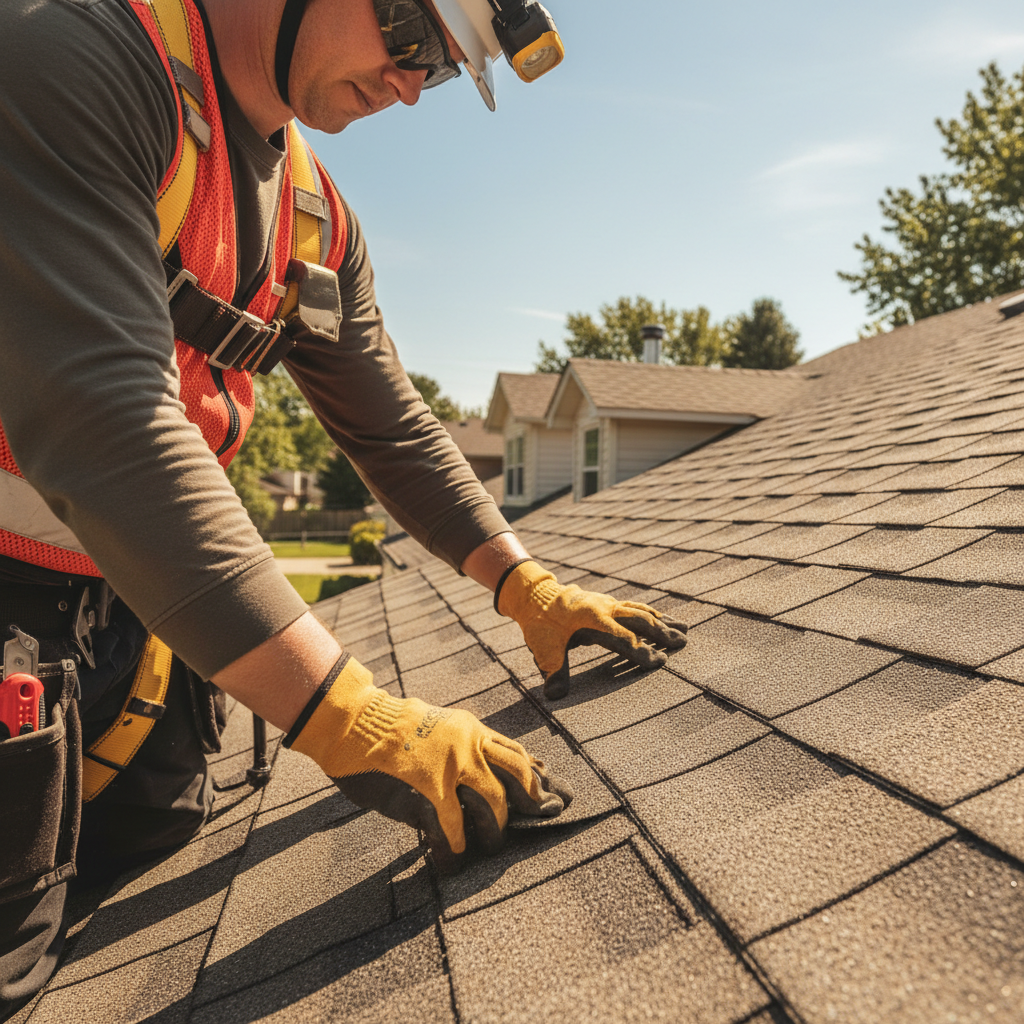
A new roof is one of the biggest and most important investments you'll ever make in your home. It’s your first line of defense against the elements, protecting everything and everyone inside. But when it comes time for a replacement—typically every 20 to 30 years for asphalt shingles—the process can feel overwhelming. The cost alone, often ranging from $8,000 to $20,000 or more for an average-sized home, is enough to make any homeowner anxious.
The single most important factor in a successful roofing project isn't the brand of shingles you choose; it's the quality of the contractor you hire. A great roofer can make a standard shingle last for decades, while a shoddy installer can cause a top-of-the-line roof to fail in just a few years.
So, how do you sort the true professionals from the "fly-by-night" operators? It comes down to asking the right questions before you sign a contract. These five questions will help you vet potential contractors, understand what you're paying for, and protect your home and your wallet.
1. Are you licensed and properly insured?
This is the first and most important question you should ask. Don't be shy about it. A legitimate professional will expect this question and be ready to provide documentation. If a contractor gets defensive or tries to brush it off, that’s a major red flag. This question really breaks down into two critical parts: licensing and insurance.
Why Licensing Matters
A contractor's license is proof that they have met the minimum requirements set by your state or local government to operate a business. These requirements vary widely. Some states have strict testing and experience requirements, while others are more lenient. Regardless, a license shows a level of seriousness and accountability.
- What it means for you: An unlicensed contractor is operating outside the law. If something goes wrong, you have very little recourse. They likely don't have insurance (more on that next) and can disappear without a trace, leaving you with a leaky roof and an empty bank account. Furthermore, many municipalities require that roofing work be done by a licensed contractor to pass inspection. Using an unlicensed one could create major problems if you ever try to sell your home.
Always verify the license. Don't just take their word for it. Most states have an online database where you can look up a contractor's license number to ensure it's active and in good standing.
The Two Types of Insurance You MUST See
This is non-negotiable. A roofing contractor must carry two specific types of insurance to protect you from financial disaster. Ask to see the "Certificate of Insurance" for both.
General Liability Insurance: This covers damage to your property. If a roofer drops a bundle of shingles on your car, backs their truck into your garage door, or causes a leak that damages your ceiling, their general liability policy should cover the repairs. Without it, you’d have to file a claim on your own homeowner's insurance or sue the contractor to get compensation. Look for coverage of at least $1,000,000, which is standard for reputable companies.
Worker's Compensation Insurance: This is even more critical. Roofing is a dangerous job. Worker's comp covers the medical bills and lost wages of any employee who gets injured while working on your property. If a contractor does not have worker's comp and one of their crew members falls off your roof, you could be held liable as the property owner. That worker could sue you directly for their medical expenses, which can be astronomical.
- What it means for you: Verifying both general liability and worker's comp is the single best thing you can do to protect yourself from liability. A "great deal" from an uninsured roofer isn't a deal at all; it's a massive financial risk. Call the insurance company listed on the certificate to confirm the policy is current.
2. Will you provide a detailed, itemized estimate in writing?
A verbal agreement or a price scribbled on the back of a business card is not a contract. A professional roofing estimate is a detailed document that spells out every aspect of the job. This protects both you and the contractor by setting clear expectations from the start.
What a Good Estimate Includes
A thorough estimate should leave no room for questions. It should be an itemized breakdown of the entire project. Look for these specific line items:
- Scope of Work: A clear description of the work to be done (e.g., "Complete tear-off of one layer of existing asphalt shingles and installation of new architectural shingle roofing system").
- Materials: The specific type, brand, and color of all materials to be used (e.g., GAF Timberline HDZ shingles in Charcoal, synthetic underlayment, ice and water shield).
- Labor Costs: The cost for the crew to perform the work.
- Tear-Off and Disposal: The cost to remove the old roof and dispose of the debris in a dumpster. This should include dumpster rental and haul-away fees.
- Decking/Plywood Contingency: This is crucial. The wood decking is the foundation of your roof, but its condition can't be fully known until the old shingles are removed. A good contract will include a "per-sheet" price for replacing any rotted or damaged plywood decking (e.g., "$75 per sheet of CDX plywood, installed"). This prevents a surprise massive bill later.
- Permit Fees: The cost of the building permit required by your city or county. The contractor should be the one to pull the permit.
- Payment Schedule: When payments are due (e.g., 1/3 at signing, 1/3 at material delivery, 1/3 upon completion). Never pay for the entire job upfront.
- Project Timeline: An estimated start and completion date.
Red Flags in an Estimate
Be wary of estimates that are vague or suspiciously low. Low bids are often a sign that a contractor is cutting corners. They might be using subpar materials, hiring unskilled labor, or worse, they're uninsured. Also, be suspicious of any contractor who offers a large "cash discount." This is often a way to avoid paying taxes and is a strong indicator that they aren't running a legitimate, insured business. High-pressure tactics ("This price is only good for today!") are another red flag. A reputable roofer will give you time to consider their proposal.
3. Who will be performing the work and supervising the job?
You're hiring a company, but it's the actual crew on your roof that determines the quality of the final product. It's important to understand the structure of the team that will be at your home every day.
Employees vs. Subcontractors
Many roofing companies use subcontractors to perform the actual installation. This isn't necessarily a bad thing, as many subcontractors are skilled professionals. However, it introduces another layer between you and the people doing the work.
- If they use employees: The company has more direct control over training, quality, and scheduling. They are also directly responsible for carrying worker's compensation insurance for the crew.
- If they use subcontractors: Ask how they vet their subs. Do they have long-standing relationships with them? Most importantly, does the subcontractor carry their own general liability and worker's comp insurance? Ask for proof. If the sub is uninsured, you could be on the hook if someone gets hurt or your property is damaged.
The Role of a Project Manager
A roofing project can be loud and disruptive. Knowing who your point of contact is can make the process much smoother. Ask if there will be a dedicated project manager or site foreman on the job every day.
- What it means for you: This person is your lifeline. They should be able to answer your questions, address concerns as they arise, and ensure the crew is following the plan laid out in the contract. Without a clear point person, communication can break down, leading to mistakes and frustration. You shouldn't have to chase down the salesperson who sold you the job to ask a question about the crew's work.
4. What kind of warranties do you offer?
A new roof should come with peace of mind. That peace of mind comes from a solid warranty. But not all warranties are created equal. It's essential to understand that there are typically two different warranties involved in a roofing project.
Manufacturer's Warranty vs. Workmanship Warranty
This is a critical distinction that many homeowners miss.
Manufacturer's Warranty: This comes from the company that made the shingles (e.g., GAF, CertainTeed, Owens Corning). It covers defects in the roofing material itself. For example, if the shingles fail prematurely due to a manufacturing flaw, this warranty would cover the cost of the replacement materials. These warranties are often advertised as "lifetime," but you need to read the fine print. The coverage is often prorated, meaning it decreases in value over time. Importantly, this warranty is almost always voided if the materials are not installed exactly according to the manufacturer's strict specifications.
Workmanship (or Installation) Warranty: This comes directly from your roofing contractor. It covers errors in the installation process. The vast majority of roof failures, especially in the first few years, are due to improper installation, not defective materials. A leaky flashing, improperly nailed shingles, or poor valley installation are all workmanship issues.
- What it means for you: A manufacturer's warranty is useless without a good workmanship warranty. A roofer's guarantee on their own labor is your primary protection against leaks and other installation-related problems. Ask for the details in writing. How long does it last (common periods are 2, 5, or 10 years)? What does it cover? What is the process for making a claim? A contractor who stands behind their work will offer a clear, comprehensive workmanship warranty.
5. How will you protect my property during construction?
A roof replacement is a messy, heavy-duty construction project. Debris, nails, and heavy equipment can wreak havoc on your home's exterior and landscaping if not managed properly. A professional contractor has a plan for this. An amateur doesn't think about it until they've already destroyed your prize-winning rose bushes.
Protecting Your Home and Yard
A few well-placed tarps can make a world of difference. Ask the contractor what their specific procedures are for property protection.
- Will they cover landscaping, shrubs, and flower beds?
- How will they protect siding and windows from falling debris?
- Will they move patio furniture, grills, and planters out of the way, or is that your responsibility?
- Where will the dumpster be placed? Will they use boards to protect your driveway from being cracked or scratched?
These questions show the contractor you're a discerning homeowner who cares about the details. A pro will have ready answers.
The Cleanup Process
Stories of homeowners finding hundreds of roofing nails in their lawn for months after a project are all too common. Meticulous cleanup is a hallmark of a professional crew.
- What it means for you: Nail cleanup is a major safety issue, especially if you have children or pets. Ask if the crew cleans up the site at the end of each day or only at the end of the project. Most importantly, ask if they use a magnetic roller or sweeper to pick up stray nails from the lawn, driveway, and garden beds. A commitment to a thorough cleanup demonstrates a respect for your property that goes beyond the roof itself.
Putting It All Together: Making the Final Decision
After you've gathered answers to these five questions from at least three different contractors, you'll be in a strong position to make an informed choice. Lay out the bids side-by-side and compare them not just on price, but on the completeness of their answers.
Did one contractor provide a much more detailed estimate? Did one offer a significantly better workmanship warranty? Did you get a better feeling from one project manager than another?
Resist the temptation to automatically choose the lowest bid. A price that seems too good to be true usually is. It often points to a lack of insurance, low-quality materials, or unskilled labor—all of which will cost you far more in the long run. The best value is a fair price from a reputable, insured contractor who communicates clearly and stands behind their work. Your home deserves nothing less.
Frequently asked questions
How many estimates should I get for a new roof?+
You should aim to get at least three written estimates from different, well-vetted roofers. This allows you to compare not only the price but also the scope of work, materials proposed, and the professionalism of each contractor.
Is the cheapest roofing bid always the best one to choose?+
Almost never. A significantly lower bid often indicates that a contractor is cutting corners, whether by using cheaper materials, having inadequate insurance, or hiring unskilled labor. The best value is a fair price from a reputable, insured company.
What is the difference between a workmanship warranty and a manufacturer's warranty?+
A manufacturer's warranty covers defects in the shingles themselves, while a workmanship warranty covers errors made during installation. Since most roof failures are due to installation mistakes, the roofer's workmanship warranty is your most important protection.
How long does a typical roof replacement take?+
For an average-sized single-family home, a complete roof replacement usually takes 1 to 3 days, depending on the weather and the complexity of the roof. Larger or more complex homes can take longer.
Do I need a building permit to replace my roof?+
In most U.S. municipalities, a full roof replacement requires a permit. Your contractor should be responsible for obtaining, or 'pulling,' this permit from the local building department as part of their service.