
Is Your HVAC on Its Last Legs? 7 Signs It’s Time for a Pro
Learn the warning signs of a failing HVAC system, from strange noises to high energy bills. Know when to repair and when to start budgeting for a replacement.
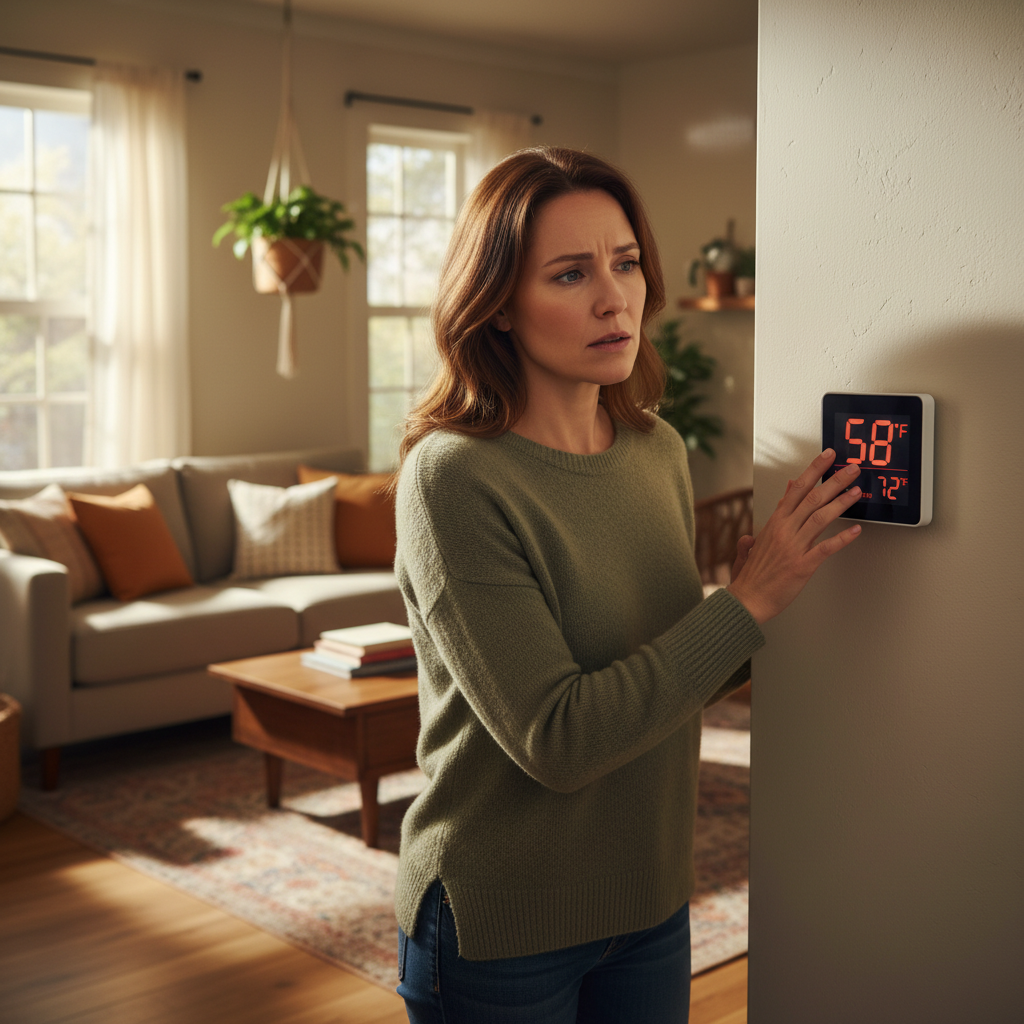
Your HVAC (Heating, Ventilation, and Air Conditioning) system is the unsung hero of your home. It works tirelessly behind the scenes to keep you comfortable through sweltering summers and frigid winters. But because it's mostly out of sight, it’s easy to take for granted—until it stops working. A sudden failure isn't just an inconvenience; it's an emergency that can leave you sweating or shivering and facing a significant unexpected expense.
The good news is that HVAC systems rarely fail without warning. They usually send out signals—subtle at first, then more obvious—that they are struggling. Learning to recognize these signs gives you the power to act proactively. You can call a professional for a diagnosis on your own terms, weigh your options without the pressure of a heatwave or cold snap, and make a smart financial decision about repairing or replacing your system.
This guide will walk you through the seven most common signs of a failing HVAC system. We’ll explain what they mean, what you can do, and when it’s time to call in a vetted HVAC professional.
1. Your System's Age Is More Than a Number
Just like any major appliance, your HVAC components have a finite lifespan. Knowing the age of your system is the single most important factor in the “repair or replace” decision. Even if it seems to be working okay, an older system is less efficient and more prone to sudden, catastrophic failure.
Typical HVAC Lifespans
- Central Air Conditioners: A well-maintained central AC unit typically lasts 15–20 years. In coastal areas with salt air, or regions with extreme heat that cause it to run constantly, that lifespan might be closer to 10–12 years.
- Furnaces (Gas or Oil): Furnaces are workhorses and can often last 20–30 years, especially if they are regularly serviced. However, efficiency drops significantly with age.
- Heat Pumps: Because they provide both heating and cooling, heat pumps work year-round. Their typical lifespan is shorter, usually around 10–15 years.
How to Find Your System's Age
Look for a manufacturer's label on the side of your outdoor condenser unit (for AC or a heat pump) and on your indoor air handler or furnace. The label will have a model and serial number. You can often decipher the manufacturing date from the serial number, though formats vary by brand. A quick search online for "[Brand Name] serial number lookup" will usually lead you to a guide. If you can't find it, a qualified HVAC technician can determine the age during a maintenance visit.
What This Means for You: If your system is approaching or has exceeded its expected lifespan, any major repair becomes a questionable investment. Pouring $1,500 into a 18-year-old air conditioner is often not a wise use of money. An older system is a ticking clock, and you should start planning for its eventual replacement, even if it's still running.
2. Your Energy Bills Are Suddenly Skyrocketing
Your utility bill is a monthly report card for your HVAC system's efficiency. If you notice a sudden, sustained spike in your electricity or gas bill that you can't attribute to a rate hike or extreme weather, your HVAC system is a likely culprit.
As components wear out, the system has to work harder and run longer to achieve the same level of heating or cooling. A struggling fan motor, a low refrigerant charge, or clogged coils can all lead to a dramatic decrease in efficiency. The system consumes more energy to do less work, and that difference shows up directly on your bill.
How to Spot the Trend
Don't rely on memory. Dig out your utility bills from the same month last year and the year before. A 10-15% increase might just be weather-related, but if your summer cooling costs have jumped 30-50% compared to previous years with similar temperatures, your AC is laboring.
What This Means for You: A high energy bill is a financial red flag. Before you call a pro, perform some basic maintenance:
- Change your air filter: A dirty filter is the #1 cause of reduced efficiency. It restricts airflow, forcing the system to run harder. Change it every 1–3 months.
- Clear the outdoor unit: Make sure your outdoor condenser unit is free of leaves, grass clippings, and debris. It needs at least two feet of clear space around it to breathe.
If these simple steps don't bring your bills back in line, it's time to schedule a professional tune-up. A technician can clean the coils, check refrigerant levels, and diagnose the underlying cause of the inefficiency. The cost of a service call (typically $75–$150) is often easily recovered in energy savings.
3. Strange Noises or Unpleasant Smells
Your HVAC system should operate with a gentle hum of airflow. Loud, sudden, or persistent noises are clear indicators of a mechanical problem. Ignoring them is like ignoring the "check engine" light on your car.
A Glossary of HVAC Distress Sounds
- Grinding or Scraping: This is a serious red flag. It often indicates a problem with the bearings in the blower motor. Turn off the system immediately to prevent the motor from seizing completely and call a professional. A simple bearing issue can turn into a full motor replacement if ignored.
- Banging or Clanking: Usually signals a loose or broken part, like a connecting rod, piston, or crankshaft in the compressor. This is a critical and potentially expensive failure.
- Squealing or Screeching: High-pitched sounds often point to a worn or failing belt or a motor that needs lubrication. This is a common issue that a technician can often fix quickly during a service call.
- Clicking: Constant clicking could be a failing thermostat, a bad relay, or an electrical control issue.
What's That Smell?
Odors coming from your vents are also a cause for concern.
- Burning Smell: A dusty, burning smell when you first turn on the heat in the fall is normal—it's just dust burning off the heat exchanger. But if the smell is metallic, plasticky, or persists, it could be an electrical failure or an overheating motor. Turn the system off and call for service.
- Musty or Moldy Smell: This points to mold or mildew growth in your evaporator coils or ductwork, often caused by excess moisture. This is not just a sign of an HVAC problem; it's an indoor air quality issue that needs to be addressed.
- Rotten Egg Smell: If you have a natural gas furnace, the smell of rotten eggs (an additive called mercaptan) means you have a gas leak. This is a serious emergency. Leave your home immediately, do not use any electronics or light switches, and call your gas utility from a safe distance.
What This Means for You: Noises and smells are your system crying out for help. Don't just turn up the TV to drown them out. These are symptoms of mechanical or electrical problems that will only get worse and more expensive to fix. A service call to diagnose a strange noise might cost $100–$200, but it could save you from a $2,000 compressor replacement down the line.
4. The System Can't Keep Up with Demand
A properly sized and functioning HVAC system should be able to maintain the temperature you set on your thermostat, even on very hot or cold days. If it's constantly running but your house is still too hot or too cold, it's a major sign of poor performance.
This could be due to several issues:
- Incorrect Sizing: The system may have been incorrectly sized for your home from the start. A system that's too small will run constantly without ever reaching the target temperature. A system that's too large will cycle on and off too frequently (short-cycling), which is inefficient and causes excess wear and tear.
- Ductwork Leaks: Leaky or poorly insulated ducts can lose up to 30% of the conditioned air before it even reaches your rooms. The system is working perfectly, but the hot or cold air is being wasted in your attic or crawlspace.
- Refrigerant Leak (AC/Heat Pump): Refrigerant is the lifeblood of your cooling system. If it's low, the system loses its ability to transfer heat effectively. Note: Refrigerant is not "used up" like gas in a car. If it's low, it means there is a leak that needs to be found and repaired.
- Failing Compressor or Blower Motor: The core components may simply be wearing out and losing their ability to move air or compress refrigerant effectively.
What This Means for You: Don't just crank the thermostat down to 65°F and hope for the best. Pay attention to how often and how long your system runs. If it runs in long, continuous cycles on moderately warm days, or short-cycles (on for 5 minutes, off for 5, repeat), you have a problem. A technician can perform a full diagnostic, including checking airflow, testing for duct leakage, and measuring refrigerant pressures to pinpoint the cause.
5. More Dust and Worsening Air Quality
Your HVAC system does more than just heat and cool; it plays a vital role in your home's ventilation and filtration. A struggling system can lead to a noticeable decline in your indoor air quality.
If you find yourself dusting more often, or if family members with allergies or asthma are experiencing more symptoms, your HVAC system could be part of the problem. A failing blower motor might not be moving enough air through the filter to capture airborne particles. Leaky ductwork can actively pull dusty, unconditioned air from your attic, basement, or crawlspace and distribute it throughout your home.
Another related sign is excessive humidity in the summer. A properly functioning air conditioner is excellent at dehumidifying the air. If your home feels cool but damp or clammy, it's a sign the AC isn't removing moisture effectively, which can be due to a variety of component failures or incorrect sizing.
What This Means for You: Indoor air quality is a serious health consideration. If you suspect your HVAC is contributing to the problem, start by upgrading to a higher-quality pleated filter (MERV 8-11 is a good range for most residential systems). If that doesn't help, it's worth having a professional inspect your system and your ductwork. A duct cleaning and sealing service can be a significant investment ($1,500–$4,000+), but it can dramatically improve both air quality and system efficiency.
6. You're on a First-Name Basis with Your Repair Tech
An occasional repair is a normal part of owning an HVAC system. But if you're calling for service every season, the costs can quickly add up and become a major signal that the end is near.
Think about the recent repair history. Was last year's repair a minor electrical fix for $250, or a major component replacement costing over $1,000? A single, isolated repair isn't a death sentence. A pattern of different components failing one after another is.
The 50% Rule of Thumb
A helpful guideline many homeowners and technicians use is the "50% rule."
If the cost of a single repair is more than 50% of the cost of a new system, replacement is almost always the more financially sound option.
For example, if replacing your aging AC unit will cost $8,000 and you're faced with a $4,500 bill to replace the compressor, that money is far better put toward a new, efficient, warrantied system.
Similarly, consider the cumulative cost. If you've spent $1,200 on repairs over the last two years and are now facing another $800 repair bill, you've sunk $2,000 into a failing system—money that could have served as a down payment on a new unit.
What This Means for You: Track your repair costs. When a technician gives you a quote for a major repair, always ask them for a quote for a full replacement as well. This allows you to make an informed comparison. Don't fall into the trap of throwing good money after bad in an attempt to squeeze one more year out of a dying system.
7. The Final Verdict: Repair or Replace?
If you're seeing several of the signs above, you're at a crossroads. The decision to repair or replace your HVAC system is a major one. A repair might cost a few hundred dollars, while a full system replacement can be one of the most expensive investments you make in your home, often ranging from $8,000 to $20,000 or more.
Here’s how to make a smart decision:
Get Multiple Opinions: Don't just go with the first technician who comes to your door. Get at least three quotes from different licensed, insured, and well-reviewed HVAC companies. Ask each one to diagnose the problem and provide a quote for the repair, as well as several options for a full system replacement.
Analyze the Costs: Look at the short-term cost of the repair versus the long-term cost of replacement. A new system costs more upfront, but it comes with a warranty (typically 10 years on parts) and will be significantly more energy-efficient, saving you money on utility bills for years to come. Factor in any available rebates from your utility company or tax credits for high-efficiency models.
Consider Your Future: How long do you plan to live in your home? If you're planning to sell in the next year or two, a major repair might make more sense. If this is your long-term home, investing in a new, reliable system provides peace of mind and long-term comfort.
Ultimately, recognizing the warning signs gives you control. It allows you to research contractors, compare modern system options (like high-efficiency heat pumps), and budget accordingly, rather than making a panicked decision in the middle of a miserable night. Pay attention to your HVAC system—it's telling you exactly what it needs.
Frequently asked questions
How much does a new HVAC system cost?+
A full HVAC replacement is a major expense. In the US, you can expect to pay anywhere from $8,000 to $20,000, depending on the size of your home, the efficiency of the unit (SEER rating), your location, and the complexity of the installation. Always get at least three quotes.
Can I just replace the air conditioner and not the furnace?+
You can, but it's often not recommended if both are of a similar age. Your indoor furnace/air handler and outdoor AC unit are designed to work together as a matched system. Mismatching an old unit with a new one can lead to reduced efficiency, performance issues, and a shortened lifespan for the new component.
How long should a typical HVAC system last?+
A central air conditioner or heat pump generally lasts 10-15 years, while a gas furnace can last 20-30 years. Regular annual maintenance is the most important factor in maximizing your system's lifespan and efficiency.
Is a professional HVAC inspection or tune-up worth the money?+
Absolutely. For a fee of around $75–$150, a technician will clean and inspect your system, identify wearing parts, and ensure it's running efficiently. This preventative maintenance can catch small problems before they become costly emergencies and extend the life of your equipment.
What's the difference between a SEER rating and an AFUE rating?+
SEER (Seasonal Energy Efficiency Ratio) measures the cooling efficiency of an air conditioner or heat pump; the higher the number, the more efficient it is. AFUE (Annual Fuel Utilization Efficiency) measures a furnace's heating efficiency as a percentage. Understanding these ratings helps you compare the long-term operating costs of new systems.