
How Much Does Interior Painting Cost? A Homeowner's Guide to Pricing & Bids
Trying to budget for a painting project? This guide breaks down typical costs, explains how pros create their quotes, and shows you what really drives the price up.
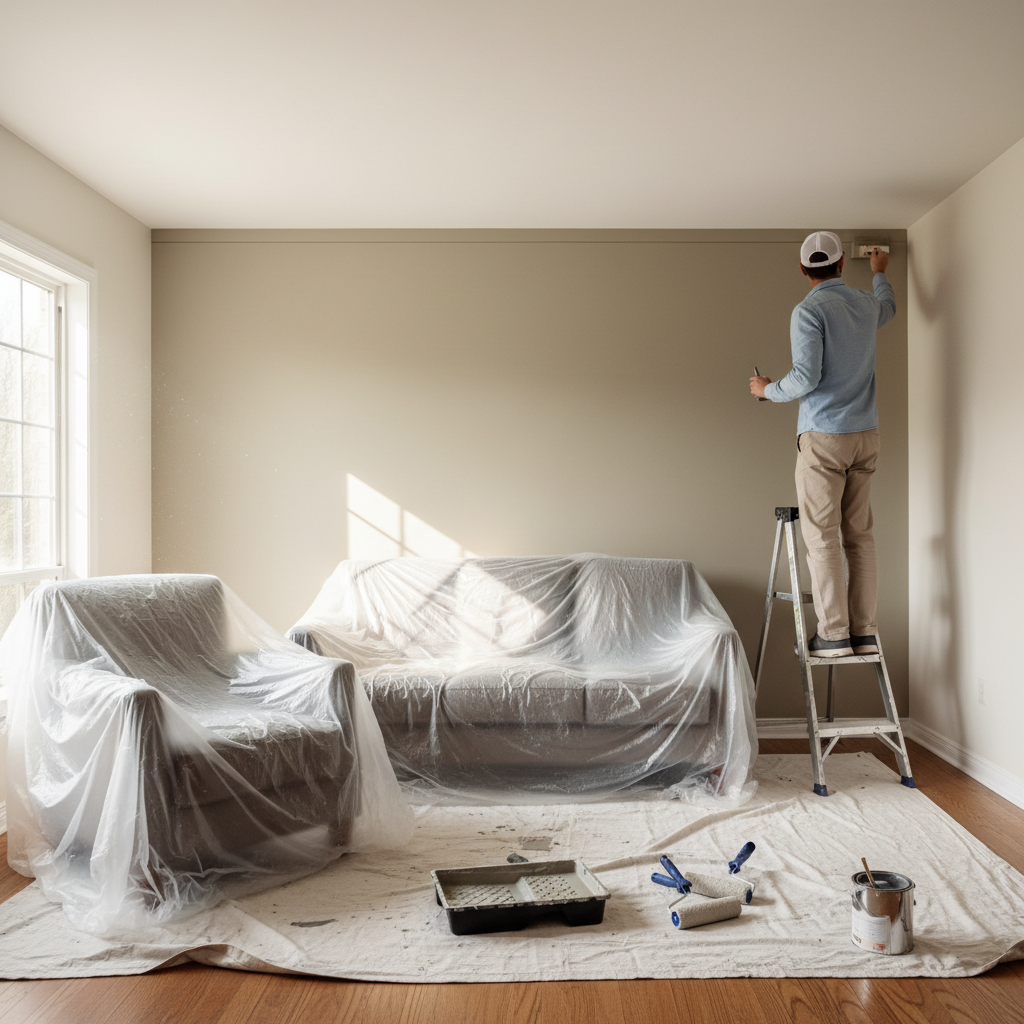
A fresh coat of paint is one of the fastest, most effective ways to completely transform a space. It can make a room feel bigger, brighter, cleaner, and more modern. But before you start dreaming of color swatches, there’s the inevitable question: How much is this going to cost?
If you've ever asked for a painting quote, you might have been surprised by the wide range in a painter's cost estimates. One contractor might bid $800 for a room another quotes at $2,000. Why the huge difference? Is one of them overcharging? Is the other cutting corners?
The answer is… it depends. The cost of interior painting isn't just about pouring paint into a tray and rolling it on the wall. A professional paint job is 80% preparation and 20% application. This guide will demystify the pricing process, helping you understand what goes into a painter’s estimate so you can evaluate bids, hire with confidence, and get a fair price for a quality job that will last.
Ballpark Figures: Typical Costs for Interior Painting
Let's get the most immediate question out of the way. While every project is unique, we can establish some typical price ranges for professional interior painting in the US market. Think of these as a starting point for your budget. The rest of this article will explain what factors can push your project to the lower or higher end of these ranges.
- A Single Room (12'x12'): $450 - $1,200. This typically includes walls only. The price increases if you add the ceiling, trim, and doors.
- A Large or Complex Room (e.g., Living Room with high ceilings): $900 - $2,500+. High ceilings, extensive trim work, and multiple doors and windows significantly add to the labor cost.
- Apartment or Small House (approx. 1,000 sq. ft.): $3,000 - $6,000. This assumes painting most of the walls and ceilings in the unit.
- Average-Sized Home (approx. 2,500 sq. ft.): $5,000 - $10,000+. This usually covers walls, ceilings, and trim in most rooms. The final price tag depends heavily on the level of prep work and the amount of trim.
These are broad estimates. A painter needs to see the space and understand the scope of work to give you an accurate quote. Let's look at how they arrive at that number.
How Painters Price: The Method Behind the Madness
A professional painter isn't just guessing a number. They use established methods to calculate the labor and materials needed for your specific job. Understanding these methods helps you decipher their quotes.
Pricing by Square Footage
This is a common method, but it's often misunderstood by homeowners. When a painter talks about square footage, they usually mean wall surface area, not the floor space of your room. To get a rough idea, you can calculate the perimeter of the room and multiply it by the ceiling height. Don't forget to subtract major openings like large windows or double doors.
- Typical Cost: $2.00 - $6.00 per square foot of paintable surface area.
- What this means for you: A simple room with 8-foot ceilings will be on the lower end. A two-story foyer or a room with vaulted ceilings will be on the higher end due to the increased surface area and difficulty of access.
Pricing by the Room
For smaller jobs, many painters will just give you a flat rate per room. They have an internal calculator in their head based on years of experience. They know a “standard” bedroom in their market takes a certain amount of time and material.
- Typical Cost: Based on the ballpark figures above.
- What this means for you: This is the simplest pricing model to understand, but make sure the quote clearly specifies what is included. Does the price include the ceiling? The closet? The baseboards and window trim? Always get it in writing.
Pricing by the Hour or Day
While most painters provide a fixed-price bid for the entire project, their internal calculations are based on time. Understanding their hourly or daily rate can give you insight into their pricing. This model is also sometimes used for small touch-up jobs or projects with an undefined scope.
- Typical Cost: $50 - $100 per hour, per painter. A day rate for a single painter might be $400 - $800.
- What this means for you: If one quote is significantly lower than others, it can sometimes be because the painter is working solo and estimating more days, while a higher bid might come from a crew of two who can finish the job in half the time. The total cost might end up being similar.
Decoding the Quote: What's Usually Included?
A detailed, professional quote is a roadmap for your project. A vague one is a red flag. Your quote should clearly spell out every step. A standard interior painting bid typically includes:
- Labor: This is the biggest part of the cost and should cover all phases of the project.
- Protection: Covering floors, furniture, light fixtures, and anything else not being painted. This involves plastic sheeting, drop cloths, and painter's tape.
- Standard Prep Work: This is crucial. It should include filling small nail holes, scuff-sanding surfaces for better paint adhesion, and light cleaning of the walls.
- Paint & Materials: The cost of the paint itself, plus primers, tape, caulking, and other consumables.
- Application: Applying one or two coats of paint to the specified surfaces (walls, ceiling, trim, etc.).
- Cleanup: Removing all project-related materials, sweeping/vacuuming the area, and returning furniture (this should be clarified).
- A warranty: Many pros offer a 1-3 year warranty on their workmanship.
Be aware of what might not be included and could be an additional charge:
- Extensive drywall repair (more than just nail holes)
- Wallpaper removal and wall texture repair
- Moving extremely heavy or delicate furniture (pianos, grandfather clocks)
- Painting inside closets or built-in shelving
- Using multiple, bold accent colors
The 5 Biggest Factors That Drive Your Painting Costs
Why is one 12'x12' room $500 and another $1,500? The difference almost always comes down to the following five factors. This is what separates a quick, cheap job from a durable, professional one.
Prep Work: The Foundation of a Great Paint Job
This is, without a doubt, the single biggest variable in cost and quality. A painter who just slaps a coat of paint on a dirty, damaged wall is doing you a disservice. Proper prep is 90% of the work and what you're paying a good professional for. This includes:
- Cleaning: Walls must be washed to remove dust, grease, and grime.
- Scraping & Sanding: Removing any loose or flaking old paint.
- Patching: Filling holes from pictures, drywall dings, or cracks in the plaster. Extensive patching requires drying time and multiple sanding passes, which adds significantly to labor.
- Caulking: Re-caulking gaps in trim, baseboards, and window frames for a seamless look.
When you get a surprisingly low bid, it's often because the contractor is planning to skip or rush these critical steps.
The Scope of Work: Walls, Ceilings, Trim, and More
The more surfaces you want painted, the higher the cost. Painting just the walls of a room is the baseline. Each additional element adds time and complexity.
- Ceilings: Painting ceilings can add 15-25% to the total cost. It requires careful protection of the walls and floor and is physically demanding.
- Trim & Woodwork: This is the most labor-intensive part of any paint job. Baseboards, crown molding, window frames, and door casings all require precise taping ("cutting in") and are often painted with a different finish or color. A room with lots of architectural detail will cost significantly more than a simple, modern room.
- Doors: Each door has two sides and six edges. Painting them correctly requires time and attention to detail. A quote should specify if doors are included.
Paint Quality & Sheen
Not all paint is created equal. A gallon of paint can range from $25 for a budget contractor-grade to over $90 for a premium line. While it might seem tempting to save money on materials, good painters know that high-quality paint is worth the cost.
- Coverage: Premium paints (like Benjamin Moore's Aura or Sherwin-Williams' Emerald) cover better, often requiring fewer coats. This can actually save you money on labor.
- Durability & Washability: Higher-quality paints are more resistant to scuffs and are more scrubbable, meaning your paint job looks fresh for longer.
- What this means for you: Let your painter use the brands they trust, but specify that you want a mid-grade or premium line. The material cost is a small percentage of the total job, but the impact on quality and longevity is huge.
Color and Coverage
Are you just refreshing the existing beige, or are you making a dramatic change from dark red to a light grey? Going from a dark color to a light one will require a coat of primer and potentially more than two coats of a high-quality paint to prevent the old color from showing through. This adds to both material and labor costs.
Room Complexity and Accessibility
Finally, the room itself plays a huge role.
- Ceiling Height: Anything over the standard 8-9 feet requires ladders, extension poles, and sometimes even scaffolding. This slows down the work and increases risk, which is reflected in the price. A two-story foyer is one of the most expensive areas to paint on a per-square-foot basis.
- Obstacles: A simple, empty box of a room is easy. A room filled with built-in bookshelves, an unmovable heirloom armoire, and twenty small window panes is a time-consuming challenge.
Getting Smart Bids: How to Compare Apples to Apples
The key to getting a fair price is to ensure every painter is bidding on the exact same project. Do not rely on a verbal quote or a one-line estimate on the back of a business card.
- Get at least three detailed, written bids. This is the golden rule of hiring any contractor.
- Provide a clear scope of work. Before you call, write down exactly what you want painted. List the rooms, and specify if you want walls, ceilings, trim, and doors. The more specific you are, the more accurate your bids will be.
- Specify the paint. If you have a preference, tell them. At a minimum, tell them you want a premium-quality, washable paint and specify the sheen (e.g., eggshell for walls, semi-gloss for trim).
- Walk through with each contractor. Point out areas of concern, like a crack in the drywall or a water stain on the ceiling. Ask them how they would address it.
- Ask about the prep process. A good painter will be happy to tell you exactly how they plan to prepare your walls.
- Verify License and Insurance. Never hire a painter who cannot provide proof of liability insurance. This protects you and your home in case of an accident. Check your local requirements for licensing.
DIY vs. Hiring a Pro: The True Cost Calculation
Looking at the prices, it's tempting to think, "I'll just do it myself." For a small, simple room, that might be a great option. But it's important to calculate the true cost of DIY.
- Tool & Material Costs: For a single room, you'll need paint ($50-$90/gallon), primer ($30-$50), a good set of brushes ($30+), roller frames and covers ($20+), paint trays, painter's tape, drop cloths, sandpaper, and patching compound. The cost of tools and supplies can easily hit $200-$400 before you even buy the paint for your second room.
- The Time Investment: This is the biggest hidden cost. A professional crew can prep and paint a room in a day or two. For a DIYer, it's often an entire weekend, or more. Don't underestimate the time it takes to move furniture, tape everything perfectly, patch and sand, wait for coats to dry, and clean up.
- The Quality of Finish: Pros are fast and efficient because they do this every day. They know how to get perfectly straight lines, avoid roller marks, and achieve a smooth, even finish. The value of a professional is the professional result.
Hiring a pro costs more upfront, but you're paying for their speed, expertise, and a guaranteed high-quality finish. You're buying back your weekends and saving yourself the stress and mess.
Ultimately, the cost of interior painting is a direct reflection of the amount of labor and attention to detail a project requires. By understanding the factors that influence the price, you can set a realistic budget, ask contractors the right questions, and confidently choose a bid that offers real value, not just a low price.
Frequently asked questions
How long does it take a professional to paint a room?+
For a standard-sized room with minimal prep, a professional painter or crew can often complete the job in 1-2 days. This includes setup, prep work like patching small holes, painting, and cleanup. More complex rooms with high ceilings or extensive trim work may take longer.
Do I need to buy the paint myself to save money?+
Generally, no. Painters often receive a professional discount on paint and prefer to use brands they know and trust for quality results. The cost savings are usually minimal, and letting the pro supply the paint ensures they are responsible for having the right quantity and quality.
Is it normal for a painter to ask for 50% of the payment upfront?+
A small deposit of 10-25% to cover materials is common and reasonable. However, a request for 50% upfront can be a red flag, especially for larger jobs. A reputable contractor will have a clear payment schedule in the contract, often tied to project milestones, with the final large payment due upon satisfactory completion.
Should I move my own furniture before the painters arrive?+
It's best to clarify this with your painter. Most quotes include moving standard furniture to the center of the room and covering it. However, you can sometimes save a small amount on labor by clearing the room yourself. It is always recommended that you personally move small, fragile, or valuable items.
Is expensive paint really worth the cost?+
Yes, in most cases. Premium paints from brands like Benjamin Moore or Sherwin-Williams offer better coverage, which can reduce labor by requiring fewer coats. They also create a more durable, washable finish that lasts longer and resists scuffs, saving you money in the long run.