
Choosing a Roof for Your Climate: Asphalt vs. Metal vs. Tile
A new roof is a major investment. Learn the pros, cons, and costs of asphalt shingles, metal, and tile to choose the best material for your local climate and hire with confidence.
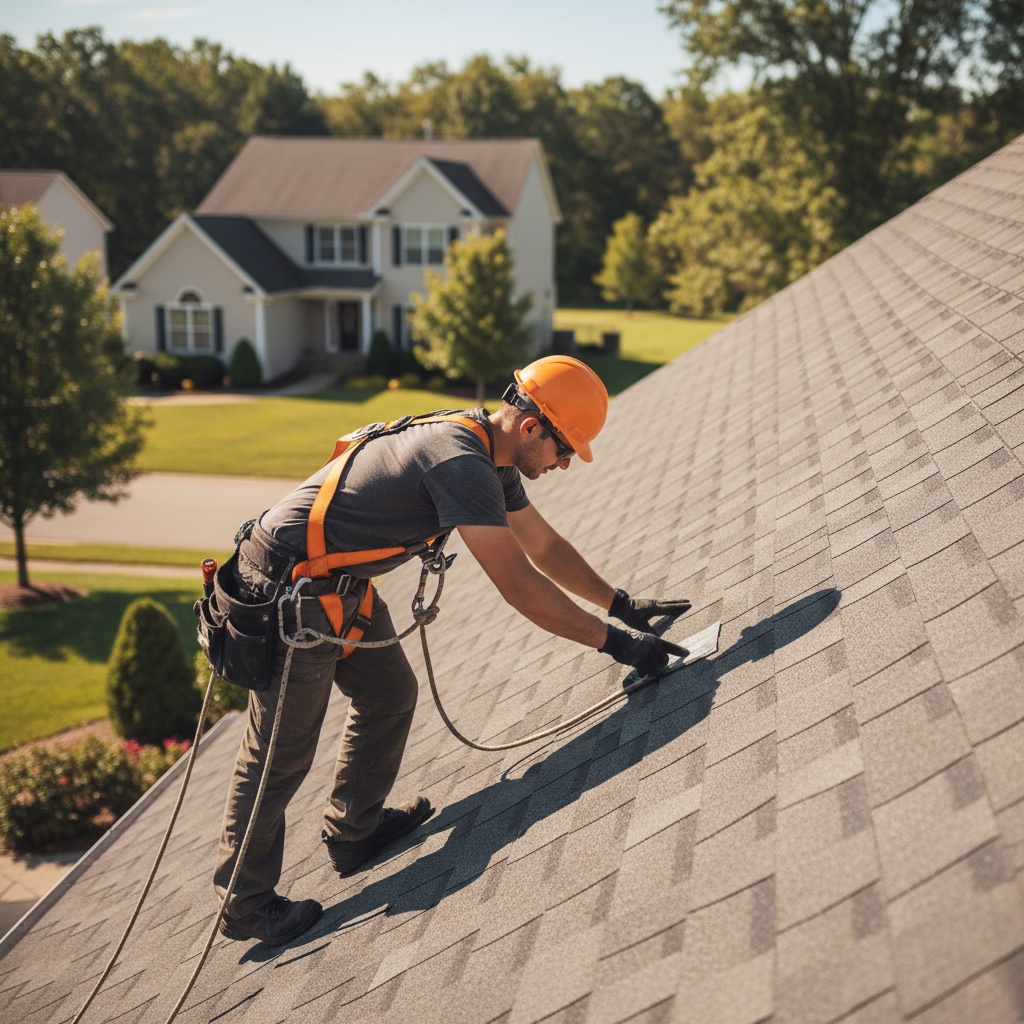
A new roof is one of the biggest and most important investments you'll make in your home. It's your first line of defense against the elements, and the material you choose will have a massive impact on your home's safety, energy efficiency, and curb appeal for decades to come. But with so many options, how do you decide?
The answer often lies right outside your window. Your local climate—whether it’s defined by blistering sun, heavy snow, or coastal humidity—is the single most important factor when selecting a roofing material. Choosing a roof that’s well-suited to your environment will mean better performance, a longer lifespan, and fewer headaches down the road.
This guide will walk you through the three most common roofing materials in the US: asphalt shingles, metal, and tile. We'll break down how each performs in different climates so you can have a smart conversation with a roofing contractor and make the best choice for your home.
Understanding the Big Three: Asphalt, Metal, and Tile
Before we dive into climate specifics, let's get a baseline understanding of each material—what it is, what it costs, and its general pros and cons.
Asphalt Shingles: The All-American Standard
Walk through any American suburb, and you'll see asphalt shingles. They are the most popular roofing material in the country, and for good reason. They consist of a fiberglass mat coated in waterproof asphalt, with a top layer of ceramic granules that provide color and UV protection.
- Pros: Most affordable option upfront, available everywhere, comes in a huge range of colors and styles (from basic 3-tab to thicker, more dimensional "architectural" or "laminated" shingles), and most roofing contractors are experienced with installation and repairs.
- Cons: Shortest lifespan of the three (typically 15-25 years), can be damaged by high winds and hail, susceptible to cracking and drying out in extreme heat, and less environmentally friendly than other options.
- What this means for you: Asphalt is the go-to for a reason. It's a reliable, budget-friendly choice for moderate climates. If you opt for shingles, ask your contractor about upgrading to architectural shingles, which are heavier, more wind-resistant, and have a longer lifespan than the basic, flat 3-tab style.
Metal Roofing: The Durable Contender
Once reserved for barns and commercial buildings, metal roofing has surged in popularity for residential homes. It comes in two main forms: standing seam (long, vertical panels with raised seams) and stamped profiles that can mimic the look of shingles, slate, or tile. Common materials include steel (usually galvanized or galvalume-coated), aluminum, zinc, and copper.
- Pros: Extremely long lifespan (50+ years), highly resistant to wind, fire, and rot. Excellent at shedding snow and rain. Many options are rated as "cool roofs" that reflect solar heat, lowering cooling costs. Lightweight, which reduces stress on your home's structure.
- Cons: Higher upfront cost, can be noisy during rain if not installed with proper sheathing and insulation (though this is largely a myth with modern installations), can dent from heavy hail (though this is usually cosmetic), and requires specialized installers.
- What this means for you: If you plan on staying in your home for a long time, the upfront investment in metal can pay for itself in longevity and energy savings. It's an outstanding choice for nearly any climate, but especially those with extreme weather like heavy snow or high winds.
Tile Roofing: The Classic Beauty
Tile roofs, made from either clay or concrete, offer a distinctive, classic look often associated with Spanish, Mediterranean, or Southwestern architecture. They are incredibly durable and have been used for centuries around the world.
- Pros: Extremely long lifespan (50-100+ years), fantastic performance in hot, sunny climates. Excellent fire resistance. Won't rot or be damaged by insects. The air pocket beneath the curved tiles can help with insulation.
- Cons: Very high upfront cost. Extremely heavy, often requiring a structural assessment and potentially reinforcement of the roof framing. Tiles can be brittle and may crack under impact or if walked on improperly. Installation is highly specialized.
- What this means for you: Tile is a premium, lifetime roofing system. It's an unbeatable choice for hot, dry regions but is less practical in very cold climates where freeze-thaw cycles can crack the tiles. Before you even get a quote, you must confirm your home's structure can handle the weight.
How Your Climate Impacts Your Roofing Choice
Now let's put these materials to the test in different environments. Find the climate that best describes your area to see which materials rise to the top.
Hot, Sunny, and Dry Climates (e.g., Arizona, Southern California)
- The Challenge: Intense, relentless UV radiation breaks down materials over time, and extreme heat can transfer into your attic, driving up cooling costs.
- Best Options:
- Tile (Clay or Concrete): This is the king in hot, dry climates. Tiles are essentially baked earth, so they are completely unfazed by UV rays and heat. Lighter colors are especially effective at reflecting sunlight.
- Metal: A light-colored metal roof with a reflective "cool roof" coating is a fantastic, energy-efficient choice. It reflects a significant portion of solar energy, keeping your attic and home cooler.
- Asphalt Shingles: While usable, standard asphalt shingles will have a shorter lifespan here. The sun will bake the oils out of the asphalt, making them brittle. If you choose shingles, insist on lighter colors and look for products specifically rated for high-UV environments or with reflective granules.
Cold and Snowy Climates (e.g., Northeast, Midwest, Mountain Regions)
- The Challenge: Heavy snow loads can stress the roof structure, and the dreaded "ice dam"—where melting snow refreezes at the eaves, blocking drainage and forcing water under your roofing—can cause major leaks.
- Best Options:
- Metal: Standing seam metal is the champion in snow country. Its smooth, slick surface sheds snow easily, preventing heavy buildup. The interlocking panels are also highly resistant to water infiltration from ice dams.
- Asphalt Shingles: Dark-colored asphalt shingles are a popular and effective choice. The darker color helps absorb sunlight to melt snow faster. Heavier architectural shingles are recommended for their added weight and durability to withstand the freeze-thaw cycle. Pairing them with a quality ice-and-water shield underlayment at the eaves is non-negotiable.
- Tile: Generally not recommended. The porous nature of some tiles can lead to them absorbing moisture, freezing, and cracking. This is a primary reason you rarely see tile roofs in places like Minnesota or Maine.
Wet, Humid, and Coastal Climates (e.g., Pacific Northwest, Southeast)
- The Challenge: Constant moisture encourages the growth of moss, algae, and mildew, which can damage a roof and look unsightly. In coastal areas, you also have to contend with high winds and salt spray.
- Best Options:
- Metal: Aluminum or coated-steel roofing is excellent in coastal areas because it resists corrosion from salt spray. The non-porous surface also naturally resists the growth of algae and moss.
- Asphalt Shingles: If you choose shingles, it is absolutely essential to get ones with "AR" (Algae Resistant) granules. These are copper-infused granules that inhibit the blue-green algae growth that causes dark streaks on roofs. Without this feature, your roof could look old and stained in just a few years.
- Tile: Clay tile can perform well, as it's non-porous. However, proper installation and an excellent underlayment system are critical to prevent wind-driven rain from getting underneath.
Hail and High-Wind Prone Areas (e.g., Great Plains, "Tornado Alley")
- The Challenge: Hail can pulverize less durable materials, and high winds can rip shingles right off the roof deck.
- Best Options:
- Impact-Resistant (IR) Shingles: Look for asphalt shingles rated as "Class 4" for impact resistance. These are made with a more flexible asphalt and a reinforced mat that can better withstand hail strikes. This may even get you a discount on your homeowner's insurance.
- Metal: Metal roofs (especially steel) have excellent impact resistance. While a very large hailstone might leave a cosmetic dent, it's very unlikely to puncture the roof and cause a leak. Standing seam metal is also exceptionally wind-resistant.
- Tile: Tile's performance is mixed. While very strong, it is also brittle. A direct hit from large hail can crack or shatter a tile, requiring replacement.
Beyond Climate: Other Factors to Consider
Your climate is #1, but it's not the only factor. Keep these things in mind when talking to your contractor.
- Home Style & Aesthetics: Your roof can account for up to 40% of your home's visible exterior. Make sure the material and color you choose complement your home's architectural style. Asphalt is a chameleon, metal can look modern or traditional, and tile has a very specific aesthetic.
- Structural Load: This is crucial, especially for tile. An average asphalt shingle roof weighs 2-3 pounds per square foot. A tile roof can weigh 8-12 pounds per square foot. Your contractor or a structural engineer must verify that your home's framing can support this additional weight. Metal, by contrast, is the lightest of the three.
- HOA and Local Codes: Before you fall in love with a bold copper roof, check your Homeowners' Association (HOA) rules. Many have strict limitations on roofing materials and colors. Your roofer should also be well-versed in local building codes, which dictate everything from nailing patterns to underlayment requirements.
- Long-Term vs. Short-Term Costs: Don't just look at the initial price tag. A metal roof might cost twice as much as an asphalt roof, but it will likely last three to four times as long. Consider how long you plan to live in the house and factor in the total cost of ownership, including potential repairs and eventual replacement.
The Cost Breakdown: What to Expect
Roofing costs are highly variable based on your location, the complexity of your roof (its pitch, number of valleys, dormers, etc.), the material chosen, and the contractor you hire. The ranges below are for a typical 2,000 square-foot, single-story home and include tear-off of the old roof and professional installation.
- Asphalt Shingles (Architectural): $9,000 – $18,000
- Metal Roofing (Standing Seam): $18,000 – $35,000+
- Tile Roofing (Clay or Concrete): $22,000 – $45,000+
A good quote will be itemized, breaking down the costs for:
- Materials (shingles, metal, or tile)
- Labor
- Tear-off and disposal of the old roof
- Underlayment, flashing, and ventilation
- Permit fees
- A contingency for potential repairs to the underlying roof deck once the old roof is removed.
The Hiring Process: Finding the Right Roofer
Choosing the right material is only half the battle. A perfect roof made of the best materials can fail if installed improperly. Your choice of contractor is just as important.
- Get Multiple Bids: Don't take the first offer. Solicit detailed bids from at least three reputable, local roofing companies. This allows you to compare not just price, but their proposed solutions, materials, and professionalism.
- Check for Licensing and Insurance: This is non-negotiable. Your contractor must have a valid state or local license. They must also carry both General Liability insurance (to cover any damage to your property) and Worker's Compensation insurance (to cover their employees if they are injured on your property). Ask for proof and verify it.
- Ask for Material-Specific Experience: A roofer who has installed asphalt shingles for 20 years may not have the specialized tools or training to correctly install a standing seam metal roof. Ask for references and photos of recent projects using the specific material you've chosen.
- Read the Contract Carefully: A professional contract will detail the scope of work, specific materials to be used (brand and model), project timeline, payment schedule, and warranty information. A common red flag is a demand for a huge upfront payment. A typical schedule might be a third to start, a third at a midpoint, and the final third upon completion and your satisfaction.
A Word on Maintenance and Longevity
Once your beautiful new roof is installed, a little bit of care will ensure it reaches its maximum lifespan.
- All Roofs: Keep your gutters clean. Clogged gutters can lead to water backing up under your roofing, no matter the material.
- Asphalt: Have the roof inspected every year or two, especially after a major storm, to look for missing, cracked, or curling shingles.
- Metal: Primarily involves checking the sealant around vents, pipes, and fasteners every few years to ensure they remain watertight.
- Tile: This is best left to a professional. Walking on a tile roof incorrectly can crack tiles, creating a bigger problem. Have a tile specialist inspect for cracked or slipped tiles every few years.
Frequently asked questions
Can I put a new roof over my old one?+
This is called a "layover" and is sometimes possible with asphalt shingles, but it's generally not recommended. It adds weight, can mask underlying problems with the roof deck, and may void the new shingles' warranty. Most quality roofers will insist on a full tear-off for a proper, long-lasting installation.
Is a metal roof noisy when it rains?+
This is a common myth. When installed correctly over a solid roof deck with proper underlayment and attic insulation, a modern metal roof is no noisier than any other roof type. The sound is diffused long before it reaches you inside the house.
How much does a roof replacement increase home value?+
While it varies, a new roof is a major selling point that significantly boosts curb appeal and buyer confidence. Remodeling Magazine's Cost vs. Value report often shows homeowners recouping over 60% of the cost of an asphalt shingle roof replacement at resale.
Do I need a permit for a roof replacement?+
Almost always, yes. Most municipalities require a building permit for a full roof replacement to ensure the work meets local safety and building codes. Your contractor should handle the permitting process as part of their service; be wary of any who suggest skipping it.
What's the difference between a manufacturer's warranty and a workmanship warranty?+
The manufacturer's warranty covers defects in the roofing material itself, like shingles failing prematurely. The workmanship warranty is provided by your contractor and covers issues related to the installation, such as leaks caused by improper flashing. A quality job is backed by both.