
Don't Hire a Roofer Until You Ask These 6 Questions
Hiring a roofer is a major homeowner decision. Asking these critical questions about licensing, estimates, and warranties will help you find a trustworthy pro and avoid costly mistakes.
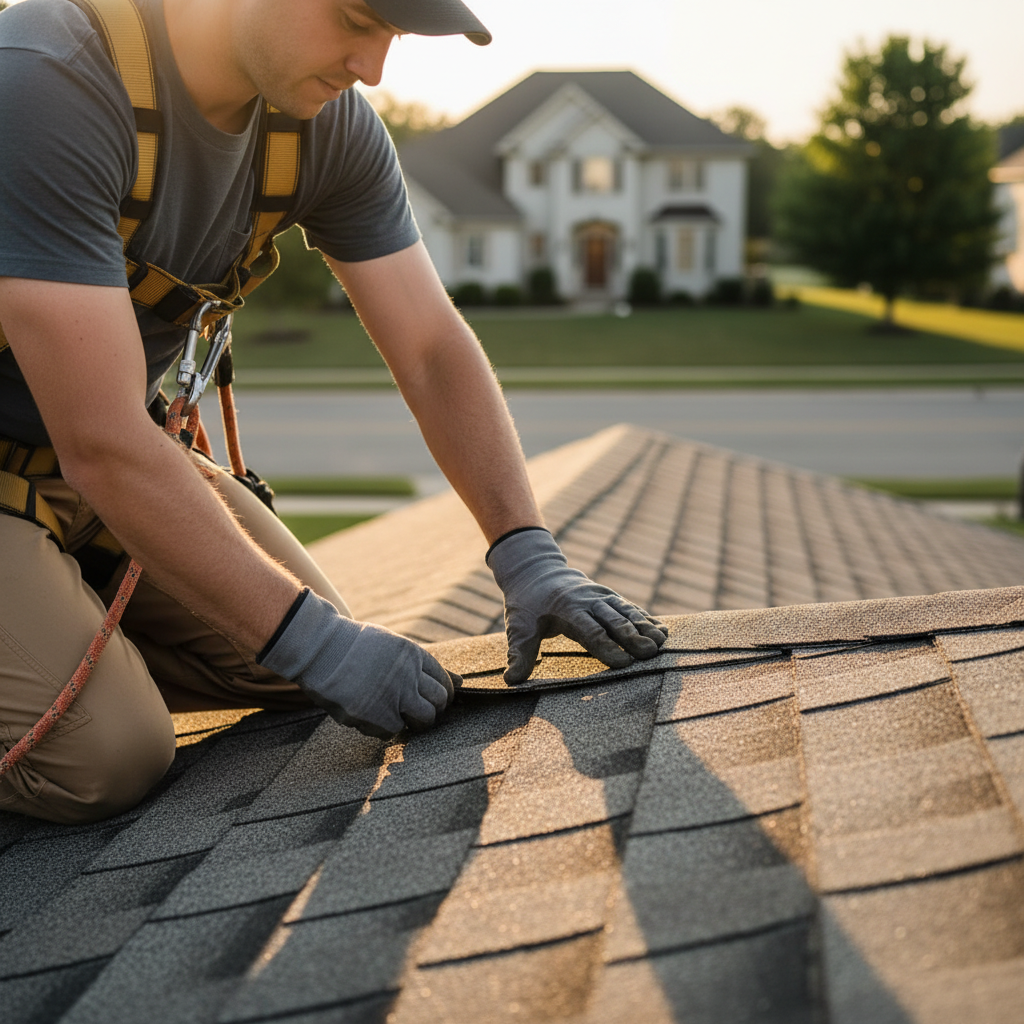
A new roof is one of the biggest and most important investments you'll ever make in your home. It's your first line of defense against the elements, and a failure can lead to catastrophic damage to the rest of your house. But the process of hiring a roofer can feel overwhelming. With so many companies out there, how do you sort the true professionals from the rest?
The key is to go into your conversations prepared. By asking a few specific, insightful questions, you can quickly gauge a contractor's professionalism, transparency, and competence. This isn't about trying to catch them in a lie; it's about making sure their business practices are set up to protect you, their customer. Before you sign a contract, make sure you get clear, confident answers to these six questions.
1. Are You Licensed and Properly Insured for My Area?
This is the first and most important question. It's an instant deal-breaker if the answer is no, vague, or defensive. A professional roofer will be happy to provide documentation. This question actually breaks down into three critical parts: licensing, general liability insurance, and workers' compensation.
Licensing
Roofing license requirements vary significantly by state and even by city or county. In some states, a general contractor's license is all that's needed, while others have specific roofing licenses. A license proves that the contractor has met a minimum level of knowledge, experience, and business solvency as required by your local government. It also provides you with an avenue for recourse through the licensing board if something goes wrong.
What this means for you: An unlicensed contractor is a massive red flag. Their work won't be subject to any official oversight, and if they disappear mid-job or do shoddy work, you may have little to no legal ground to stand on. Always ask for their license number and verify it yourself on your state's contractor licensing board website. It's a quick check that can save you a world of trouble.
General Liability Insurance
This type of insurance protects your property. A roof replacement involves heavy materials, ladders, and multiple workers. Accidents can happen. If a stack of shingles slides off the roof and damages your new HVAC unit, or a ladder falls and breaks a bay window, the contractor's general liability insurance covers the cost of repairs. Without it, you'd be left arguing with the contractor over who pays, potentially leading to lawsuits or you paying out of pocket.
Workers' Compensation Insurance
This is the big one, and it's non-negotiable. Workers' compensation covers the medical bills and lost wages of any employee injured while working on your property. Roofing is a dangerous job. If a roofer falls from your roof and doesn't have workers' comp, you, the homeowner, could be held liable for their injuries. A single serious accident could lead to a lawsuit that puts your home and savings at risk.
What this means for you: Never take a contractor's word for it. Ask for a Certificate of Insurance (COI) that names both General Liability and Workers' Compensation. Don't just look at the paper—call the insurance agency listed on the certificate to confirm that the policies are active and that the coverage limits are adequate (a minimum of $1,000,000 in liability is standard). A contractor who says, "I don't need workers' comp, my guys are independent contractors" or "My truck insurance covers it" is either misinformed or intentionally cutting corners. Either way, you should walk away.
2. Can You Provide a Detailed, Itemized Estimate?
A one-line quote that says "New Roof: $16,500" is not a professional estimate. It's a sign of a contractor who either isn't detail-oriented or is intentionally leaving things vague to hide costs or pad the bill later. A trustworthy roofer will provide a comprehensive, itemized bid that clearly breaks down every aspect of the project.
This level of detail is crucial for two reasons: it forces the contractor to think through every step of your specific project, and it allows you to compare bids on an apples-to-apples basis. If one bid is thousands of dollars cheaper, the itemized list will likely reveal why—they may be reusing old flashing, using lower-quality underlayment, or not including the cost of permits.
A professional estimate should include:
- Scope of Work: A clear description of the project, including the tear-off and disposal of the old roof.
- Materials: The specific brand, type, and color of shingles, underlayment, ice and water shield, drip edge, vents, and flashing.
- Labor: The cost associated with the crew performing the work.
- Contingencies: A clear price for potential issues, most commonly the cost to replace rotted or damaged roof decking (e.g., "$95 per sheet of 1/2" CDX plywood, installed").
- Permit Fees: The cost of pulling the required municipal permits.
- Property Protection & Cleanup: A description of how they'll protect your home and landscape, and a commitment to cleanup.
- Timeline: An estimated start date and project duration.
- Payment Schedule: When payments are due (a large upfront deposit is a red flag).
- Warranty Information: Details on both the material and workmanship warranties.
What this means for you: The estimate is a window into the contractor's professionalism. A detailed bid shows they respect your intelligence and are committed to transparency. Use it as a tool to have a meaningful conversation about the project and to compare potential hires fairly.
3. Who Will Be on My Property and Who Is My Point of Contact?
It's important to know who will actually be performing the work. Some roofing companies have their own dedicated, in-house crews. Others rely on a network of subcontractors. While using subcontractors isn't necessarily a bad thing—many are skilled specialists—it's something you need to be aware of.
If the company uses subcontractors, you should ask if they are covered under the main contractor's general liability and workers' compensation policies. If not, you need to see proof that the subcontracting crew carries their own insurance. You don't want an uninsured worker on your roof, regardless of who hired them.
Equally important is knowing who your day-to-day contact will be. A roof replacement can be loud and disruptive. You will have questions. Having a dedicated project manager or site foreman who is on-site and available to address your concerns is essential for a smooth process. You shouldn't have to chase down an off-site salesperson to find out what's going on.
What this means for you: Ask directly: "Do you use your own crew or subcontractors?" and "Who will be the project manager on-site?" A clear chain of command and communication prevents misunderstandings and ensures that if an issue arises, it can be dealt with quickly and effectively.
4. How Will You Protect My Property and Handle Cleanup?
A roof replacement is a messy job. Old shingles, thousands of nails, and other debris will be coming off your roof. A professional contractor will have a detailed plan to protect your home and landscaping from damage and to leave your property spotless when they're done.
Ask them to walk you through their process. A good answer will sound something like this:
"We lay heavy-duty tarps over all foundation plantings, patios, and decks. We'll protect your siding and move any vulnerable items like patio furniture or grills out of the drop zone. The dumpster will be placed on boards on your driveway to prevent scratches. At the end of each day, we do a general cleanup, and at the end of the project, we perform a thorough final cleanup, including using a large magnetic roller to pick up stray nails from the lawn, driveway, and garden beds."
What this means for you: Damage to your siding, shattered windows, or a flat tire from a stray nail can add unexpected costs and frustration to your project. A contractor who dismisses this question or gives a vague answer like, "Don't worry, we clean up," isn't taking their responsibility seriously. Ensure their property protection and cleanup plan is written into the contract.
5. What Warranties Do You Offer on Your Work and the Materials?
This is a critical question that reveals a contractor's long-term commitment to their work. There are two types of warranties you need to understand, and a good roof should come with both.
Material Warranty
This warranty comes from the manufacturer of the shingles (e.g., GAF, Owens Corning, CertainTeed). It covers defects in the roofing material itself. These warranties can last for 20, 30, or even 50 years, but they often have strict installation requirements. If a roofer doesn't install the materials exactly according to the manufacturer's specifications (e.g., using the wrong number of nails per shingle), it can void this warranty. This is why hiring a roofer who is certified by the manufacturer can be a significant advantage, as they've been trained on the proper installation techniques.
Workmanship Warranty
This warranty comes from the roofer themselves and is arguably more important. Most roof leaks and failures are not due to faulty shingles, but to improper installation—poorly installed flashing, exposed nail heads, or improper ventilation. A workmanship warranty covers any issues arising from installation errors. The length of this warranty is a direct reflection of the roofer's confidence in their own work. A one- or two-year warranty is minimal. A strong, established company will typically offer a workmanship warranty of 5, 10, or even 25 years.
What this means for you: Get the details of both warranties in writing. Understand what is covered, for how long, and what the process is for filing a claim. A strong workmanship warranty is one of the best indicators of a quality roofer who stands behind their work.
6. What Is Your Process for Unexpected Issues and Change Orders?
No matter how well you plan, surprises can happen in a home renovation project—especially roofing. The most common surprise is discovering soft or rotted wood decking after the old shingles are torn off. This decking must be replaced to provide a solid foundation for the new roof. A professional roofer anticipates this possibility.
They should address it in their initial estimate with a per-sheet price for replacing plywood or boards. This sets the cost upfront, so there's no surprise negotiation in the middle of the job. When (and if) they find bad decking, they should stop, show you the problem, and create a formal a change order.
A change order is a simple document that describes the additional work needed, the cost (based on the price you already agreed to), and any change to the project timeline. You must sign off on this document before the extra work begins.
What this means for you: This process protects you from a contractor who might use "unforeseen problems" to inflate the final bill. A contractor who gets flustered by this question or says, "We'll just figure it out if it happens," is not prepared. A pro will have a clear, transparent system in place that protects both parties.
By taking the time to ask these questions, you are doing more than just hiring a roofer—you're choosing a partner for a major project. A true professional will welcome your questions and provide clear, confident answers, complete with documentation. Their willingness to be transparent is a powerful sign that they are a trustworthy expert who will protect your home and your investment.
Frequently asked questions
How many estimates should I get for a new roof?+
Aim for at least three written, itemized estimates from different, well-vetted companies. This allows you to compare pricing, materials, and scopes of work, helping you spot outliers and identify the best value, not just the lowest price.
Is the cheapest roofing bid always a bad idea?+
Not always, but it requires extra scrutiny. A significantly lower bid might indicate cheaper materials, omitted steps like replacing flashing, or inadequate insurance. Use an itemized bid to see exactly where the cost difference comes from before making a decision.
What's the best time of year to replace a roof?+
Late spring, summer, and early fall are generally best due to warmer, drier weather that is ideal for sealant activation and installation. However, good roofers can work in other seasons, though winter can present challenges with cold temperatures and precipitation.
How long does a typical roof replacement take?+
For an average-sized single-family home, a full tear-off and replacement often takes 1 to 3 days. The timeline can be affected by weather, the complexity of the roof's shape, and any unexpected repairs needed for the underlying decking.
Do I need a permit for a new roof?+
In most US municipalities, yes, a building permit is required for a full roof replacement (re-roof). Your contractor should be responsible for securing the permit and scheduling any required inspections to ensure the work meets local building codes.