
7 Signs Your HVAC System Is About to Fail (And What to Do About It)
Don't get caught in a heatwave or cold snap with a broken HVAC. Learn the subtle warning signs your system is failing so you can plan for a repair or replacement on your own terms.
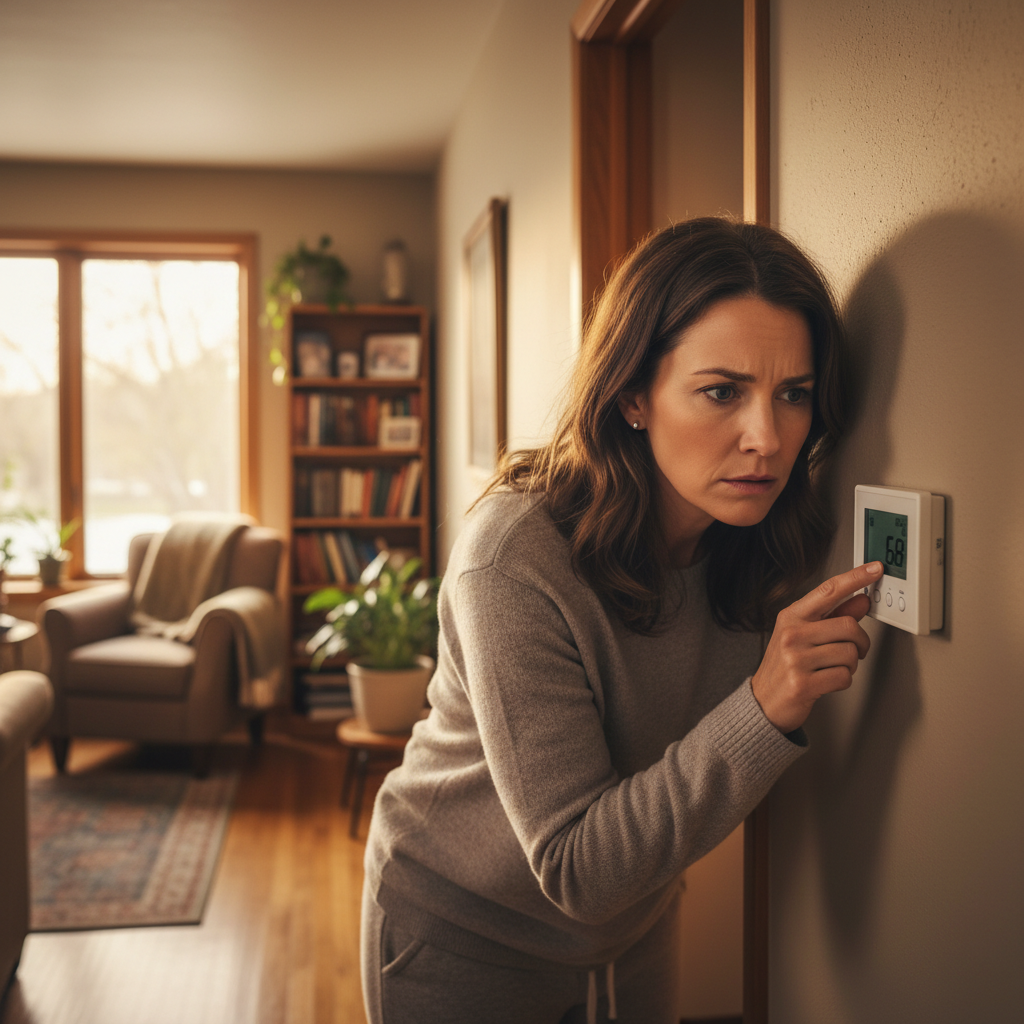
Your home's heating, ventilation, and air conditioning (HVAC) system is the unsung hero of your daily comfort. It works silently in the background, keeping you cool during sweltering summers and warm through frigid winters. But because it's mostly out of sight, it's easy to forget about it—until it stops working. A sudden failure on the hottest day of the year or during a deep freeze isn't just an inconvenience; it's an emergency that can lead to rushed decisions and inflated costs.
The good news is that most HVAC systems don't fail without warning. They send out subtle (and sometimes not-so-subtle) clues that trouble is brewing. Learning to recognize these signs gives you the power to act proactively. You can schedule a repair at your convenience or, if necessary, research and plan for a replacement without the pressure of a broken-down unit. This guide will walk you through the key warning signs that your HVAC system is on its last legs and what you, the homeowner, should do about it.
Age: The Undeniable Factor
Like any major appliance, your HVAC system has a finite lifespan. Even with perfect maintenance, its components will eventually wear out. Knowing the age of your system is the first step in predicting its potential failure.
Here are the typical lifespans for common HVAC equipment in the US:
- Central Air Conditioners: 10–15 years
- Furnaces (Gas or Electric): 15–20 years
- Heat Pumps: 10–15 years (they work year-round, so they wear faster)
- Ductless Mini-Splits: 10-20 years, depending on usage and brand
If you don't know the age of your system, look for a manufacturer's label on the side of the outdoor condenser unit or the indoor air handler (furnace). The serial number often contains the manufacturing date, though you may need to search online for the specific brand's coding system. If your system is approaching or has surpassed its expected lifespan, you should treat it as living on borrowed time.
What This Means for You
Even if an old system seems to be working fine, it's far less efficient than a modern unit. A 15-year-old AC might have a SEER (Seasonal Energy Efficiency Ratio) rating of 10, while new models start at 14 and go up into the 20s. Replacing it could significantly lower your energy bills. More importantly, if your system is in its twilight years, start budgeting for a replacement now. This allows you to research contractors, compare models, and schedule the installation during the off-season (spring or fall) when HVAC companies are less busy and may offer better pricing.
Strange Noises and Unpleasant Odors
Your HVAC system should operate with a consistent, low hum. When new and unusual sounds appear, it's a clear signal that something is wrong mechanically. Don't turn up the TV to drown it out; listen closely.
Common Warning Sounds
- Banging or Clanking: This often indicates a loose or broken part, such as a fan blade, a connecting rod in the compressor, or a dislodged blower component. This is a serious issue that needs immediate attention before it causes a catastrophic failure.
- Squealing or Screeching: High-pitched sounds often point to a problem with a belt or the motor bearings. A belt might be worn and need replacement, while failing bearings in the blower motor or outdoor unit's fan motor require a professional repair.
- Grinding: A grinding noise is a major red flag. It usually means a serious problem within the motor, such as bearings being completely shot. Turn the system off immediately to prevent further damage and call a pro.
- Constant Clicking: While a click at the start and end of a cycle is normal, persistent clicking can signal a failing thermostat, a faulty control board, or an electrical relay issue.
Alarming Odors
Your nose can also be a powerful diagnostic tool.
- Burning or Electrical Smell: An acrid smell like burning plastic or wiring means a component is overheating. It could be a failing motor or a wiring short. This is a fire hazard. Shut off the system at the circuit breaker and call an HVAC technician immediately.
- Musty or Moldy Smell: If you get a whiff of dirty socks when the system kicks on, you likely have mold or mildew growing in your ductwork or on the indoor evaporator coil due to excess moisture. This is a health concern that needs to be addressed by a professional cleaning or service.
- Rotten Egg Smell (Sulphur): This is the most dangerous smell. Natural gas is odorless, so utility companies add a substance called mercaptan to give it this distinct smell. If you have a gas furnace and smell this, you could have a gas leak. Do not operate any electrical switches or appliances. Leave your home immediately, and then call your gas company's emergency line from a safe distance.
What This Means for You
Any of these noises or smells (besides the gas leak, which is an emergency) warrants a service call. Ignoring them is like ignoring the check engine light in your car. A small repair now, like replacing a belt for under $200, can prevent a complete motor burnout that could cost $800 or more.
Skyrocketing Energy Bills
Have your electricity or gas bills been creeping up without a clear reason? Your aging HVAC system could be the culprit. As parts wear out, the system has to work harder and run longer to provide the same level of heating or cooling, causing a steady increase in energy consumption.
It can be a subtle change, masked by fluctuating weather. The best way to check is to compare your utility bills to the same month from the previous year. If you see a consistent 15-20% or higher increase that can't be explained by rate hikes or extreme weather, your system's efficiency is likely declining sharply.
Potential causes for this inefficiency include:
- A failing compressor
- A worn-out blower motor
- Leaky refrigerant lines (for AC and heat pumps)
- Leaky ductwork, losing heated or cooled air into your attic or crawlspace
- Internal blockages or extreme dirt buildup
What This Means for You
First, do the simple things: make sure you've changed your air filter recently. A clogged filter can increase energy use by 5-15%. If that doesn't help, it's time for a professional tune-up. A technician can clean the coils, check refrigerant levels, and diagnose whether the efficiency loss is due to a repairable issue or a sign that the entire system is nearing the end of its life. They can give you a clear picture of whether a repair is cost-effective or if the money would be better invested in a new, high-efficiency unit that will pay for itself in energy savings over time.
Poor Performance and Inconsistent Comfort
Is your system constantly running but never quite reaching the temperature you set on the thermostat? Do you have 'hot spots' and 'cold spots' throughout your home? These are classic signs of an HVAC system that can no longer keep up with demand.
Poor performance can manifest in several ways:
- Weak Airflow: If the air trickling from your vents feels weak, you could have a failing blower motor, blocked ductwork, or a severely clogged air filter or evaporator coil.
- Inconsistent Temperatures: When one room is an icebox and another is an oven, it may signal an issue with the system's ability to distribute air effectively, possibly due to ductwork problems or a failing blower fan.
- Short Cycling: If your system turns on and off in rapid succession without completing a full cooling or heating cycle, it's a sign of a problem. It could be an oversized system, a faulty thermostat, or a clogged filter, but it can also indicate a serious issue like a compressor on the verge of failure.
- Excessive Humidity: Part of an air conditioner's job is to dehumidify the air. If your home feels muggy and damp even when the AC is running, the unit may be failing or improperly sized.
What This Means for You
Start by checking for simple fixes: replace your air filter and ensure all your vents are open and not blocked by furniture or rugs. If the problem persists, you need a professional diagnosis. An HVAC pro can measure airflow and temperatures throughout your home to pinpoint the problem. It could be as simple as sealing leaky ducts or as complex as a failing compressor, which is one of the most expensive components to replace.
Frequent and Costly Repairs
Every HVAC system will need a repair at some point. However, if you're on a first-name basis with your HVAC repair technician, it's a strong sign that your system is on life support. One repair every few years is normal; one or two repairs every single year is a money pit.
Think about the economics. A rule of thumb many pros use is the '50% rule'. If the cost of a repair is more than 50% of the cost of a new system, replacement is almost always the more financially sound option, especially if your unit is over 10 years old.
Consider these typical repair costs:
- Blower Motor Replacement: $400 - $900
- Condenser Fan Motor Replacement: $300 - $700
- Cracked Heat Exchanger: $1,000 - $2,500+ (This is also a safety hazard, as it can leak carbon monoxide)
- Compressor Replacement: $1,500 - $3,000+
If you've already spent $600 on a repair last year and are now facing a $1,200 bill for another major component, you're throwing good money after bad. That $1,800 could have been a significant down payment on a brand new, reliable, and energy-efficient system with a 10-year warranty.
What This Means for You
Keep a log of all your HVAC repairs and their costs. When a technician recommends a major repair on an older unit, don't just get a quote for the fix—ask for a quote for a full system replacement as well. Seeing the numbers side-by-side will make the long-term value proposition much clearer.
Visible Wear: Rust, Leaks, and Dust
Sometimes, your system will show you it's failing. A quick visual inspection of your indoor and outdoor units can reveal a lot.
- Rust and Corrosion: Check your outdoor unit and the area around your indoor unit for visible rust or corrosion. While some surface rust on the exterior cabinet is cosmetic, significant rust on coils or internal components is a sign of deterioration and potential leaks.
- Water Leaks or Puddles: Your AC unit produces condensation, which is normally drained away through a PVC pipe. If you see water pooling around your indoor furnace/air handler, it can mean a clogged condensate drain line (a simple fix) or a cracked drain pan (a more involved repair). Unaddressed moisture can lead to serious water damage and mold.
- Refrigerant Leaks: If you see oily residue on the copper lines or notice your system isn't cooling well, you might have a refrigerant leak. On older systems that use R-22 refrigerant (phased out in 2020), this is a major problem. R-22 is now extremely expensive, and simply topping off a leaking system is not a sustainable or legal solution. A significant leak often necessitates replacing the entire system.
- Excessive Dust: If you find yourself dusting more and more frequently, it might be a sign that your HVAC system and its ductwork are leaky or struggling to filter the air properly.
What This Means for You
Don't ignore visible signs of decay. Water leaks require prompt attention to prevent property damage. If you suspect a refrigerant leak in an older R-22 system, it's a strong nudge toward replacement, as the cost to legally and effectively repair it is often prohibitive.
What to Do: The Repair vs. Replace Decision
When faced with a failing HVAC system, the big question is whether to repair it one more time or invest in a new one. Here’s a checklist to help you decide:
- Age: Is your system over 10-15 years old? Lean toward replacement.
- Repair Cost: Does the repair cost 50% or more of a new system? Lean toward replacement.
- Efficiency: Is your system inefficient (SEER 10 or lower)? A new system could cut your cooling costs by 20-40%. Lean toward replacement.
- Reliability: Have you had multiple repairs in the last two years? Lean toward replacement.
- Comfort: Is the old system keeping your home comfortable? If not, a repair may not solve the underlying performance issues. Lean toward replacement.
- Refrigerant Type: Does your AC use R-22 refrigerant? A major repair is likely not worth it. Lean toward replacement.
If you decide to replace your system, take a deep breath. You have an opportunity to make a smart long-term investment. Always get at least three quotes from reputable, licensed, and insured HVAC contractors. A good contractor will perform a 'Manual J' load calculation to determine the exact right size for your home, rather than just guessing or replacing it with the same size. Their quote should be detailed, breaking down the costs for equipment, labor, materials, permits, and warranty information. By recognizing the signs of failure early, you can make this important decision with confidence and without the stress of an emergency.
Frequently asked questions
How long should my HVAC system last?+
A central air conditioner or heat pump typically lasts 10-15 years, while a gas furnace can last 15-20 years. Regular maintenance is key to reaching and sometimes exceeding these lifespans.
Can I just replace the outdoor AC unit and not the indoor furnace?+
While sometimes possible, it's highly recommended to replace both the indoor and outdoor units at the same time. Modern systems are designed as matched sets, and combining a new, high-efficiency outdoor unit with an old indoor unit will compromise performance, efficiency, and longevity.
What does 'SEER' mean and why does it matter?+
SEER stands for Seasonal Energy Efficiency Ratio, and it measures an air conditioner's efficiency. A higher SEER rating means the unit uses less energy to cool your home, which translates to lower electricity bills.
How much does a new HVAC system cost?+
A new HVAC system is a major investment, typically ranging from $8,000 to $15,000 for a standard, mid-efficiency system. Costs vary widely based on your home's size, the system's efficiency (SEER rating), brand, and the complexity of the installation.
How can I make my current HVAC system last longer?+
The two most important things you can do are change your air filter every 1-3 months and schedule a professional maintenance tune-up once a year. Keeping the outdoor unit clear of leaves and debris also helps it run more efficiently.