
Handyman vs. Licensed Contractor: Who to Call for Your Home Project
Small fix or major project? Learn when a versatile handyman is perfect for the job and when you absolutely need the expertise of a licensed pro to protect your home and investment.
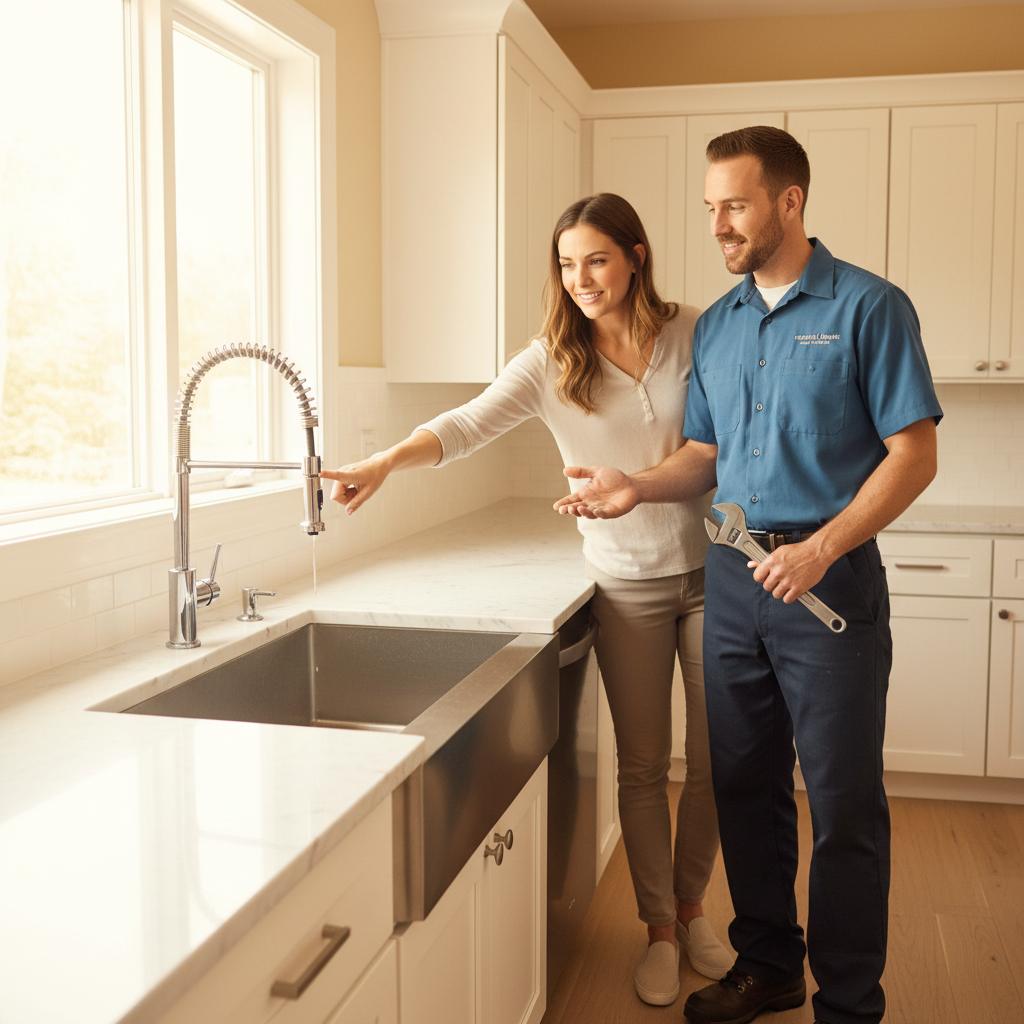
That nagging to-do list feels like it’s a mile long. The guest room needs a ceiling fan, a screen door latch is broken, and a piece of trim in the hallway came loose. Your first instinct might be to call a local handyman—the jack-of-all-trades who can knock out a dozen small tasks in an afternoon.
But what about bigger projects? What if you want to move a sink, add an outlet in the garage, or replace that aging deck? Suddenly, the lines get blurry. Is a handyman still the right call, or do you need a specialized, licensed contractor?
Making the right choice isn't just about price. It’s about safety, quality, legal compliance, and protecting the value of your biggest investment: your home. Let's break down when a handyman is your best friend and when you need to call in a licensed professional.
What's the Real Difference? Handyman vs. Licensed Pro
At first glance, the terms seem interchangeable, but they represent two very different types of service providers with distinct qualifications, costs, and scopes of work.
The Handyman: Your Go-To for General Repairs
A handyman is a skilled generalist. Think of them as the Swiss Army knife of home repair. They have a broad range of skills suited for minor maintenance and small-scale fixes. They typically don't hold a specialized license in a trade like plumbing or electrical work, although some states have a “handyman license” that allows them to perform work up to a certain dollar amount (often $500 - $3,000, depending on the state).
- Scope: Best for tasks that don't require a permit or touch major home systems.
- Cost: Usually charges by the hour (typically $60–$125) or a flat rate for a small, well-defined job.
- Value: Excellent for bundling multiple small tasks into a single service call, saving you time and money compared to hiring several specialists.
The Licensed Professional: The Specialist for Complex Systems
A licensed professional—like a plumber, electrician, or HVAC technician—is a master of one trade. They have undergone extensive training, passed rigorous state and local exams, and are required to carry specific insurance policies. Their license is proof of their expertise and their accountability to a governing board.
- Scope: Focused on a single trade (plumbing, electrical, HVAC, roofing). They handle installations, major repairs, and any work that requires a permit.
- Cost: Often more expensive per hour than a handyman, but they may charge by the project for larger jobs. Their expertise can prevent costly mistakes.
- Value: Essential for any work that could pose a safety risk, affect your home's core systems, or is regulated by local building codes. Hiring a licensed pro ensures the job is done safely and correctly, protecting your family and your property.
When to Call a Handyman: The "Honey-Do" List Heroes
A good handyman is invaluable for keeping your home in top shape. They are perfect for tasks where the risks are low and the required skills are broad rather than deep. If a job doesn't involve permits or messing with your home's structural, electrical, or plumbing arteries, a handyman is likely your most efficient and cost-effective choice.
Common jobs perfect for a handyman include:
- Assembly & Installation: Assembling flat-pack furniture, hanging pictures, mirrors, shelves, and curtain rods.
- Minor Carpentry: Repairing loose trim or baseboards, adjusting a sticking door, fixing a cabinet hinge.
- Drywall & Paint: Patching small holes in drywall (from a nail or doorknob) and doing minor interior paint touch-ups. A full room repaint can also be a handyman job.
- Doors & Windows: Replacing weatherstripping, caulking gaps, cleaning gutters on a single-story home, or fixing a screen.
- Simple Replacements: Swapping out a non-structural doorknob, replacing a cabinet pull, or changing a shower head.
- Yard & Exterior: Repairing a couple of loose fence pickets, cleaning out gutters, or pressure washing a patio.
For a homeowner, the benefit is clear: you can hand over a list of five different small jobs to one person who can complete them in a single visit. This saves you the hassle and minimum service fees of calling a painter, a carpenter, and a general repair person separately.
Red Flags: When You Absolutely Need a Licensed Professional
Some jobs should never be entrusted to a generalist, no matter how skilled they seem. These are projects that carry significant risks to your safety, your home's structural integrity, or its major systems. Messing them up can lead to fire, floods, structural collapse, or even legal trouble.
As a rule of thumb, if the work involves a permit, it requires a licensed professional. Here are the non-negotiable areas where you must hire a licensed contractor.
The Big Three Systems: Electrical, Plumbing & HVAC
These are the circulatory, nervous, and respiratory systems of your home. Work on them is heavily regulated for a reason.
- Electrical Work: Beyond changing a lightbulb or a switchplate cover, all other electrical work should be handled by a licensed electrician. This includes adding a new outlet, running a new circuit for an appliance, installing a subpanel, updating old wiring, or replacing a circuit breaker. The Risk: Faulty wiring is a leading cause of house fires. The risk of electrocution is also severe.
- Plumbing Work: A handyman can often replace a faucet washer or install a new toilet in the same spot. But for anything that involves cutting, moving, or adding pipes, you need a licensed plumber. This includes moving a sink, installing a new shower valve inside a wall, replacing a water heater, or running a gas line for a new stove. The Risk: Even a small, slow leak behind a wall can cause thousands of dollars in water damage and toxic mold growth. Improperly installed gas lines can lead to explosions.
- HVAC Work: Your heating, ventilation, and air conditioning system is complex and involves high voltages, flammable fuels, and hazardous refrigerants. Any work on the furnace, boiler, or air conditioner itself requires a licensed HVAC technician. The Risk: A poorly serviced furnace can leak deadly, odorless carbon monoxide. Mishandling refrigerants is illegal and harmful to the environment.
Structural Work
Anything that affects your home's frame is off-limits for a handyman. This includes removing or altering any wall (even partially), cutting a new opening for a window or door, building a deck, or repairing a foundation.
- Licensed Pro to Call: A general contractor or structural engineer.
- The Risk: Removing a load-bearing wall without proper support can cause floors to sag or, in the worst-case scenario, lead to a structural collapse. Improperly built decks are a common source of injury.
Roofing Work
While a handyman might be able to replace a few blown-off asphalt shingles on an easily accessible roof, any larger repair or full replacement is a job for a licensed roofing contractor.
- Licensed Pro to Call: A roofing contractor.
- The Risk: An improperly installed roof will leak, causing rot in your attic and ceiling damage below. It can also void your roof's material warranty.
The Gray Area: Jobs That Could Go Either Way
Some projects fall into a middle ground, where the right choice depends on the project's scale and complexity, as well as your state's laws.
- Tiling: A handyman can do a great job laying a simple kitchen backsplash. However, for a full bathroom floor or a shower surround, you're better off with a dedicated tile contractor. They have specialized expertise in creating waterproof, sloped surfaces that are essential for wet areas.
- Painting: A single room or a few interior touch-ups are perfect for a handyman. An entire home exterior, however, is a job for a professional painting contractor. They have the safety equipment (scaffolding, harnesses), high-efficiency sprayers, and knowledge of extensive surface preparation required for a durable, weather-resistant finish.
- Fencing: Replacing a few rotten pickets is a classic handyman task. Building a brand-new fence, especially one that requires digging and setting deep concrete footings, is better left to a fencing contractor who understands frost lines and local code requirements.
- Appliance Installation: Plugging in a new refrigerator is a DIY task. But installing a dishwasher, which requires both a plumbing connection and a hardwired electrical connection, is often best done by a licensed plumber or electrician. The same goes for over-the-range microwaves and gas stoves.
When in doubt, the best move is to call a licensed pro. The slightly higher cost is insurance against a job done wrong.
The Critical Role of Permits, Licenses, and Insurance
Understanding these three things is the key to hiring smart and protecting yourself as a homeowner.
Permits
A building permit is an official approval from your local government to proceed with a construction or remodeling project. It's not just bureaucratic red tape; it's a form of consumer protection. The permit process ensures that the work is inspected by a city or county official to verify it complies with local building codes, which are minimum standards for safety.
A handyman generally cannot pull permits. Only licensed contractors are typically allowed to do so. If someone tells you a permit isn't needed for work that clearly involves new electrical, plumbing, or structural changes, that is a massive red flag. Unauthorized work can create problems when you try to sell your home.
Licensing
A license proves that a contractor has met a minimum level of competency and is registered with the state. You can—and should—verify a contractor's license online through your state's licensing board website. A quick search for "[Your State] contractor license lookup" will usually get you to the right place. Don't just take their word for it; check for yourself that the license is active and free of complaints.
Insurance
This is perhaps the most critical protection for a homeowner. There are two types you need to verify:
- General Liability Insurance: This covers damage to your property. If a contractor floods your kitchen, this insurance pays for the repairs. Without it, you’d have to sue them to recover your losses.
- Workers' Compensation Insurance: This covers injuries to the worker or their employees while on your property. If an uninsured handyman falls off a ladder in your home, they could sue you for their medical bills and lost wages. Your homeowner’s insurance policy may not cover this, leaving you personally liable.
Always ask for a Certificate of Insurance (COI) before work begins. A legitimate professional will have no problem providing one.
Making the Right Call: Your Hiring Checklist
Deciding who to hire doesn't have to be complicated. Before you pick up the phone, run through this quick checklist to determine the right path for your project.
- Assess the Risk. Does this job involve electrical wiring, plumbing supply or drain lines, gas lines, HVAC equipment, or your home's structure? If yes, you need a licensed pro.
- Check for Permits. Does a project of this type and scale typically require a permit in your town? A quick call or visit to your local building department's website can answer this. If a permit is needed, you need a licensed contractor.
- Evaluate the Scope. Is this a small, standalone repair (fix a hinge) or a larger, more complex project (install a new door and frame)? The larger the scope, the more you lean toward a specialist.
- Ask the Right Questions. No matter who you call, be prepared to vet them. Ask these questions:
- "Are you licensed for this specific type of work?" (If yes, ask for the license number).
- "Are you insured? Can you send me a Certificate of Insurance?"
- "Can you provide references from recent, similar jobs?"
- "Will this work require a permit? If so, who will be responsible for obtaining it?"
A reliable handyman is a fantastic partner for maintaining your home. But for the big, risky, and regulated jobs, the expertise and accountability of a licensed professional is the only choice. Knowing the difference is the first step in being a savvy, responsible homeowner.
Frequently asked questions
Can a handyman replace a toilet?+
Yes, a handyman can often handle a simple swap-out of a toilet in the same location. However, if the job involves moving the toilet's drain, repairing the flange, or addressing subfloor water damage, it's best to call a licensed plumber to prevent leaks and ensure it's installed to code.
Is it okay to hire a handyman who isn't insured?+
It’s a significant financial risk. If they damage your property, you'll have little recourse. More importantly, if they are injured working in your home, you could be held personally liable for their medical bills, making their lower hourly rate not worth the risk.
How much do handymen typically charge?+
Handyman rates vary by location but generally fall in the $60 to $125 per hour range. Most will have a minimum service charge for any visit, often equal to 1-2 hours of labor. For a clearly defined set of tasks, they might offer a flat-rate price.
What’s the biggest mistake homeowners make when hiring for small jobs?+
The most common mistake is focusing only on the lowest price. While cost is important, failing to verify that the person has basic liability insurance and good references can lead to shoddy work, property damage, or legal issues if an accident happens on your property.
Do I need a licensed electrician just to change a light fixture?+
For a simple, one-for-one replacement, an experienced handyman is usually sufficient, as long as the power is turned off at the circuit breaker. However, if the wiring is old and brittle, needs modification, or you're upgrading to a heavier fixture like a ceiling fan, a licensed electrician is the safest and most reliable choice.