
Beyond the Price Tag: Key Questions to Ask Before Installing Solar Panels
Thinking of going solar? Don't just focus on the cost. Asking the right questions about your roof, warranties, and the installation team is key to a smart, long-term investment. Here's what to ask.
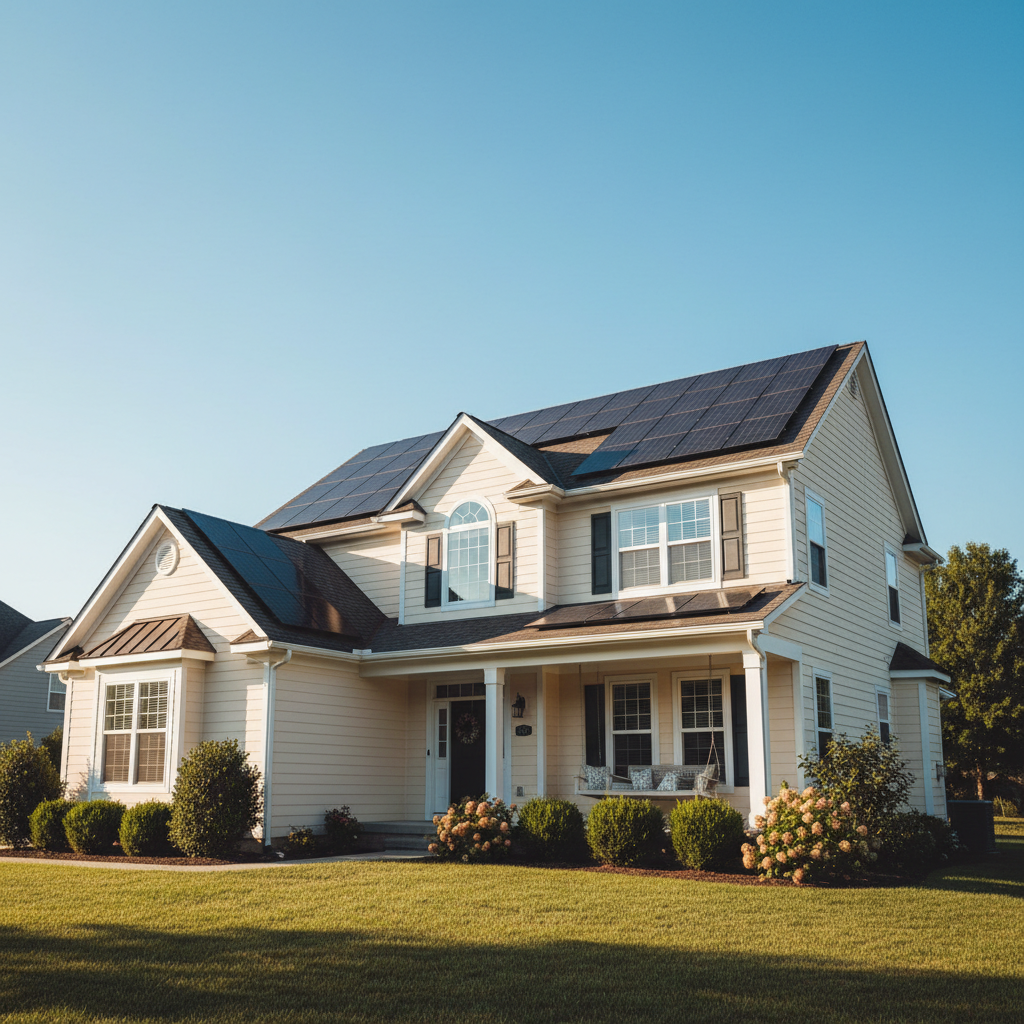
Going solar is a big decision, and it's easy to get focused on two main questions: "How much will it cost?" and "How long until it pays for itself?" While these are crucial, they are only the beginning of the conversation. The savviest homeowners know that the long-term success and satisfaction of a solar installation depend on details that don't always make it into the sales pitch.
Your solar panel system is an electrical power plant bolted to your roof, designed to last for 25 years or more. Choosing the right installer is less like buying an appliance and more like choosing a long-term partner for your home. Before you sign a contract, you need to dig deeper. These are the questions most homeowners forget to ask—and the answers that separate a great solar installer from a risky one.
Beyond the Panels: What About My Roof?
Your solar array and your roof are about to become intimately acquainted for the next few decades. The biggest mistake a homeowner can make is ignoring the condition of their roof before installing panels. A solar array can last 25-30 years; your roof needs to be ready for that same marathon.
How old is your current roof?
This is the first question a reputable installer should ask you. If your asphalt shingle roof is already 15 years old, installing a brand-new solar system on it is a terrible idea. You'll likely need a roof replacement within the next 5-10 years, long before your panels have aged.
So, what happens if you need to re-roof with solar panels already on? The process involves paying a crew to carefully disconnect the electrical system, unbolt and remove every panel and rack, and store them safely. Then, your roofer replaces the roof. Finally, the solar crew returns to reinstall and recommission the entire system. This removal and reinstallation process is not cheap, often costing between $3,000 and $6,000, depending on the system's size and complexity. It's a massive, avoidable expense that can derail the financial payback of your system.
Who is responsible for roof penetrations?
A standard solar installation involves drilling dozens of holes into your roof to mount the racking system. Each of these penetrations is a potential entry point for water. A top-tier installer will have a meticulous process for waterproofing these points, typically using specialized flashing and industrial-grade sealants.
Ask potential installers to walk you through their specific method for sealing roof penetrations. Do they use specific products? Do they offer a warranty specifically against leaks caused by their installation? A good workmanship warranty (which we'll cover next) should explicitly cover roof integrity. If a contractor is vague about this, it's a major red flag.
What does the workmanship warranty cover regarding the roof?
Don't just accept "yes, we warranty our work." Get the specifics. A strong workmanship warranty from the installer should last at least 10 years and explicitly state that it covers any roof leaks or damage that result from the panel installation. This is separate from the manufacturer's warranty on the panels themselves. The installer is responsible for ensuring their work doesn't compromise your home's primary defense against the elements.
Questions for your installer about the roof:
- Based on my roof's age and condition, do you recommend replacement before installation?
- Can you detail your process for flashing and sealing every roof penetration?
- What is the term of your workmanship warranty, and does it specifically cover roof leaks?
- If I need to replace my roof in 15 years, what is the estimated cost to have you remove and reinstall my solar array?
The Nitty-Gritty of Warranties and Guarantees
The phrase "25-year warranty" is thrown around constantly in the solar industry, but it's not that simple. There are actually three distinct warranties you need to understand, and they cover very different things.
Product vs. Performance vs. Workmanship
It's critical to know who and what is covered by each type of guarantee.
Product Warranty (or Equipment Warranty): This comes from the manufacturer of the panels, inverters, and racking. It covers defects in the equipment itself, like a panel failing prematurely or an inverter dying. Panel product warranties are typically 12-25 years, while inverter warranties might be 10-25 years. This protects you from faulty hardware.
Performance Warranty (or Power Output Guarantee): This also comes from the panel manufacturer. It guarantees that the panels will still produce a certain percentage of their original rated power after a set number of years. For example, a common performance warranty guarantees the panels will not degrade more than 0.5% per year and will still operate at over 85% of their initial capacity at year 25. This protects you from abnormally fast degradation.
Workmanship Warranty (or Labor Guarantee): This is provided by your installer, and it's arguably the most important one for the first few years. It covers the installation itself—the quality of the labor. This protects you from problems like roof leaks, loose racking, improper wiring, and faulty connections. A good workmanship warranty is a sign that the installer stands behind their team's work. Look for a minimum of 10 years; some premium installers now offer 25 years to match the panels.
Who services the warranty?
Imagine a panel fails five years after installation. Who do you call? If you have a problem, does your installer handle the entire warranty claim process, including diagnosis, coordinating with the manufacturer for a replacement part, and performing the labor to fix it? Or are you left to navigate a manufacturer's 1-800 number and then find someone to do the repair?
A quality installer acts as your advocate and provides a single point of contact for any system issues. This "bumper-to-bumper" service is immensely valuable.
What happens if the installer goes out of business?
This is a real risk in a booming, competitive industry. If your installer disappears, your product and performance warranties from the manufacturer are still valid. However, your workmanship warranty is gone. This is why choosing a stable, well-established company with a long track record is so important. Some installers even offer workmanship warranties that are backed by a third-party insurance company, providing an extra layer of protection.
Production Estimates: How Realistic Are They?
The solar proposal you receive will include an estimate of how much electricity your system will produce each year (measured in kilowatt-hours, or kWh). This number is the foundation for all the financial calculations, including your payback period and return on investment. You need to be sure it's based on reality, not just optimistic sales projections.
What software and data are used for the estimate?
Don't accept a number pulled out of thin air. A professional installer uses sophisticated software (like Aurora Solar or HelioScope) that creates a 3D model of your home and roof. This software accounts for crucial variables:
- The exact orientation (azimuth) and tilt of your roof.
- Shading from nearby trees, chimneys, or neighboring buildings, analyzed hour by hour throughout the year.
- Historical weather data for your specific location.
- The expected rate of panel degradation over 25 years.
Ask for a copy of the shading analysis. A detailed proposal should feel less like a sales brochure and more like an engineering report.
Is there a production guarantee?
Some, but not all, installers offer a production guarantee. With this guarantee, the installer promises your system will produce a certain amount of energy (e.g., 90% or 95% of the initial estimate) in its first year or two. If the system underperforms, they will cut you a check for the difference. This is a powerful sign of confidence in their engineering and equipment. It forces the company to be conservative and accurate in their estimates, rather than inflating them to make the sale.
The Installation Team: Who Is Actually Doing the Work?
The quality of your solar installation depends entirely on the skill and professionalism of the people on your roof and connecting wires to your electrical panel. Don't assume the friendly salesperson's company is the same one performing the labor.
Are they employees or subcontractors?
Many solar companies subcontract the actual installation work to third-party crews. While this isn't automatically bad, it can create issues with accountability, communication, and quality control. A company that uses its own in-house, W-2 employee crews generally has more control over training, safety protocols, and workmanship.
When a crew is directly employed by the company you hired, they are more likely to be invested in upholding that company's reputation. Ask directly: "Will the crew that installs my system be your direct employees or a subcontracted team?"
What are their credentials and licenses?
The gold standard credential for solar installers in the U.S. is NABCEP (North American Board of Certified Energy Practitioners) certification. Ask if the company has NABCEP-certified professionals on staff and, more importantly, if a certified installer will be leading the crew on-site.
Furthermore, a solar installation is a significant electrical project. The work must be performed or at least overseen by a licensed electrician. Verify that the company has the proper state and local electrical and contractor licenses to perform the work legally.
Who is my project manager?
From signing the contract to receiving Permission to Operate (PTO), the process can take several months and involve multiple steps: site survey, design, permitting, installation, and inspection. A smooth experience depends on good communication. Ask who your single point of contact will be throughout this process. Having a dedicated project manager who can give you updates and answer questions is far better than being bounced between departments.
The Grid, Interconnection, and Post-Installation Steps
The job isn't finished once the last panel is bolted down. Getting your system legally connected to the grid and turned on involves a bureaucratic process that can be frustrating if not handled properly.
Who handles the utility interconnection paperwork?
Before you can use your solar power, you must have a formal interconnection agreement with your local utility company. The application process can be complex, requiring technical diagrams and detailed equipment specifications. A full-service installer will handle 100% of this paperwork on your behalf. This is a significant value-add that saves you time and headaches. Confirm that this service is included in your contract.
How long does it take to get Permission to Operate (PTO)?
After the system is installed and passes its final inspection by your city or county, the utility company needs to give its final approval. This is called Permission to Operate (PTO). You cannot legally turn your system on until you receive this letter. The timeline for PTO can vary wildly from a few weeks to several months, depending on your utility. Ask the installer what the typical wait time is in your area so you can set realistic expectations.
What kind of system monitoring is included?
Modern solar systems come with monitoring software that lets you track your energy production in real-time, usually via a smartphone app or web portal. This is more than just a cool feature—it's your primary tool for ensuring your system is working correctly. If production suddenly drops, the monitoring system is what will alert you to a problem.
Ask what monitoring platform they use, whether there are any ongoing fees, and what level of detail you'll be able to see. Does it track production per-panel or just for the whole system? The more granular the data, the easier it is to troubleshoot issues down the line.
Unseen Costs and Future Considerations
Finally, a few practical questions can help you avoid surprises years after installation.
How will this affect my homeowner's insurance?
Your solar array adds significant value to your home, and you need to make sure it's covered by your homeowner's insurance policy. As soon as your system is installed, call your insurance agent. You will likely need to increase your dwelling coverage amount to account for the replacement cost of the solar installation. The increase in your premium is usually modest, but it's a necessary step to protect your investment from hail, fire, or other damage.
Do I need to plan for cleaning or maintenance?
For most homeowners in areas with regular rainfall, solar panels are largely self-cleaning. However, if you live in a very dusty climate, have a lot of pollen, or are near the ocean with salt spray, you may see a drop in production that requires occasional cleaning. Ask the installer if this is common in your area and what a typical cleaning service costs (usually $150-$300).
Should I install a 'critter guard'?
This is one of the most overlooked and valuable add-ons. The space between your solar panels and your roof is a perfect, sheltered spot for pigeons and squirrels to build nests. These critters can cause major damage by chewing through electrical wires, which is a serious fire hazard and can cost thousands to repair. A critter guard is a simple wire mesh screen that is installed around the perimeter of the array to block access. The upfront cost is minimal (perhaps a few hundred dollars) compared to the potential for expensive damage later. Ask for it by name.
Frequently asked questions
What happens if my solar installer goes out of business?+
Your product warranties from the panel and inverter manufacturers remain valid. However, the installer's workmanship warranty on the labor is lost, leaving you responsible for fixing installation errors. This is why choosing an established company with deep roots in your community is so critical.
Do I need to replace my roof before installing solar panels?+
If your roof has less than 15 years of life remaining, you absolutely should replace it first. Solar panels last 25+ years, and paying thousands of dollars to remove and reinstall them for a mid-life roof replacement is a major, avoidable cost.
Will solar panels damage my roof?+
When installed correctly by a qualified professional, solar panels will not damage your roof. Installers use specialized flashing and sealants at all penetration points to prevent leaks. A poor installation, however, can cause significant damage, which is why the installer's workmanship warranty is so important.
How do I know if the production estimate in my solar quote is accurate?+
Ask the company to show you their shading analysis and explain what factors were included, such as historical weather data and panel degradation. Reputable companies use sophisticated software to model your specific roof and provide a detailed report, rather than just a simple, optimistic number.
Do my solar panels need to be cleaned?+
In most climates, normal rainfall is enough to keep panels clean and efficient. However, in particularly dusty or dry areas, or if you have issues with bird droppings or tree pollen, an annual cleaning may be necessary to maintain peak performance.