
Vinyl vs. Wood vs. Fiberglass Windows: Which Is Right for Your Home?
Choosing replacement windows? This guide breaks down the pros, cons, and costs of vinyl, wood, and fiberglass to help you make the best choice for your home and budget.
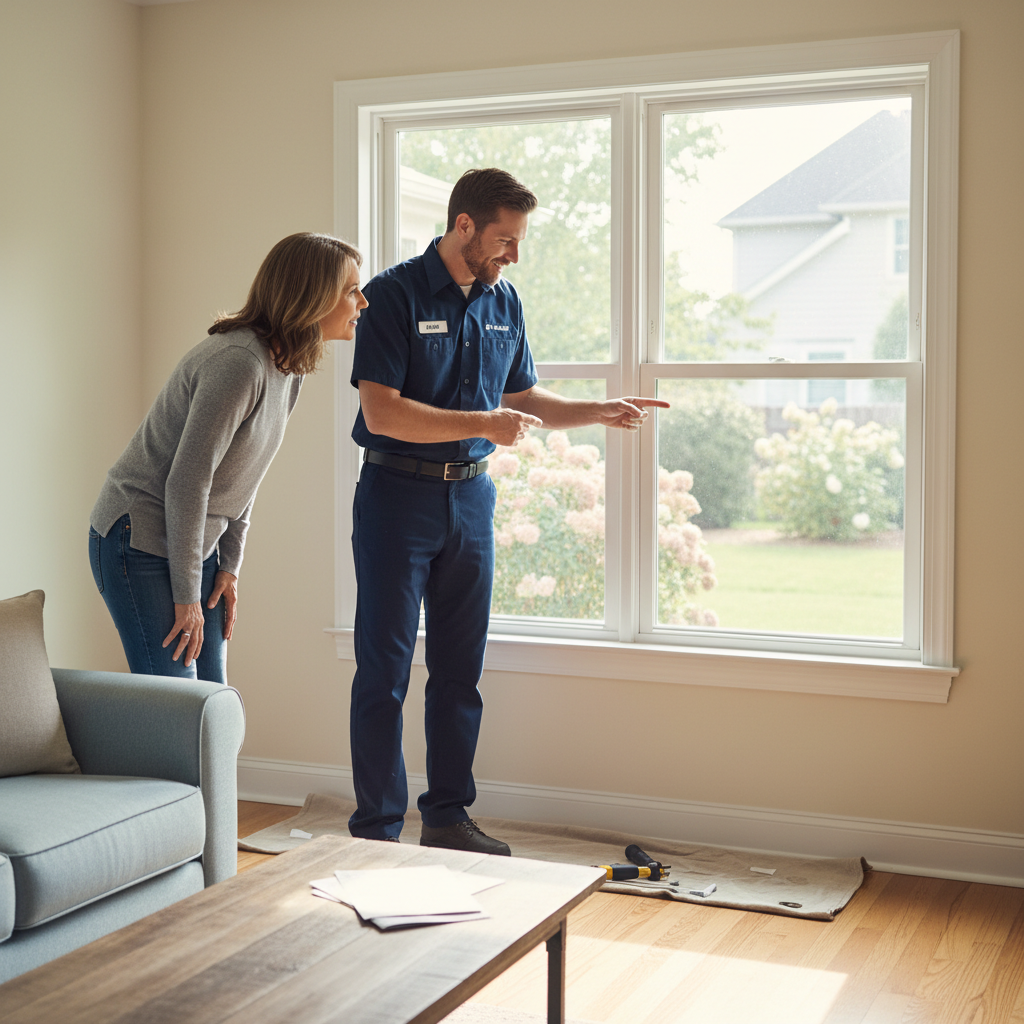
Replacing your home's windows is one of the most significant upgrades you can make. It's a major investment that impacts your home's appearance, comfort, energy efficiency, and value. But when you start researching, you're immediately faced with a critical choice: what material should your new window frames be made of? The market is dominated by three main options: vinyl, wood, and fiberglass.
Each material comes with its own set of trade-offs in terms of cost, durability, maintenance, and aesthetics. Making the right choice feels daunting, but it doesn't have to be. This guide will walk you through the pros and cons of each, helping you understand what matters most for your specific home, climate, and budget so you can have a confident conversation with a window installation pro.
Understanding the Big Three: Vinyl, Wood, and Fiberglass
Before we dive into detailed comparisons, let's get a clear picture of what each material is and what it offers at a high level. Think of this as meeting the contenders.
Vinyl Windows: The Budget-Friendly Workhorse
Vinyl windows are made from PVC (polyvinyl chloride), the same durable plastic used in plumbing pipes and flooring. They are the most popular choice for replacement windows in the United States, primarily due to their affordability and low-maintenance nature. The frames have hollow chambers inside, which can be filled with insulation to improve their thermal performance.
- Pros: Most affordable option, require no painting or staining, easy to clean, and available in a wide range of styles. Insulated frames offer good energy efficiency.
- Cons: Can have a "plastic" look that may not suit all home styles, limited color choices (usually white, tan, or beige), can expand and contract significantly with temperature changes, and cheaper models can warp or become brittle over time, especially in very hot or cold climates. They cannot be effectively repaired or repainted.
- What This Means for You: Vinyl is an excellent default choice if your primary concern is budget and you want a simple, no-fuss solution. They are perfect for many modern and transitional homes where you want clean, functional windows without the cost or upkeep of other materials.
Wood Windows: The Classic, High-End Choice
Wood windows offer a timeless, traditional beauty that no other material can quite replicate. They are the go-to choice for historic homes, high-end custom builds, and for homeowners who prioritize authentic aesthetics. Wood is a natural insulator and provides excellent structural strength.
- Pros: Unmatched classic appearance, can be painted or stained to match any interior or exterior decor, excellent natural insulation, and they can be repaired and refinished over their lifespan.
- Cons: The most expensive option upfront, and they require regular maintenance. You'll need to inspect them for damage and repaint or re-stain them every 5-7 years to protect the wood from moisture, rot, and insects. If this maintenance is neglected, they can fail quickly.
- What This Means for You: Choose wood if the architectural integrity of your home is paramount (e.g., a Victorian or Craftsman), you want unlimited custom color options, and you are fully prepared for the long-term cost and labor of maintenance. The beauty is undeniable, but it comes with responsibility.
Fiberglass Windows: The Durable Modern Performer
Fiberglass frames are a newer technology, created from glass fibers and resin. This composite material is incredibly strong, stable, and durable. It’s known for its ability to withstand extreme weather conditions without warping, cracking, or corroding. Many manufacturers see it as a 'best of both worlds' material.
- Pros: Exceptionally strong and durable, expands and contracts at nearly the same rate as glass (leading to stronger seals and less stress on the window unit), can be painted, and allows for slimmer frames for a more modern look with more glass. They will not rot or warp.
- Cons: Significantly more expensive than vinyl, often priced similarly to wood. There are fewer manufacturers and certified installers compared to the vast vinyl market, which can sometimes make them harder to source.
- What This Means for You: Fiberglass is a premium choice for homeowners who want the ultimate in performance and durability with minimal maintenance. It’s particularly well-suited for climates with dramatic temperature swings and for those who like the look of wood but don't want the upkeep. It’s a long-term investment in performance.
Comparing Key Factors for Your Home
Now let's put the materials head-to-head on the factors that will most influence your decision: cost, maintenance, durability, and energy efficiency.
Cost: Upfront Investment vs. Lifetime Value
Window replacement is a major expense, with a whole-house project often ranging from $10,000 to $30,000+. This depends on the number and size of windows, the material you choose, and local labor rates. The frame material is a primary driver of that cost.
- Vinyl: The lowest initial cost. This is the biggest selling point for vinyl and what makes it accessible to most homeowners.
- Fiberglass: A significant step up in price from vinyl, often 20-40% more expensive. Its price point can sometimes overlap with the lower end of wood windows.
- Wood: The highest initial cost. Wood windows are a premium product, and you pay for the material and the craftsmanship. You also must factor in the long-term cost of periodic painting and sealing, which can add thousands of dollars over the windows' lifespan.
When you get quotes from contractors, they should be itemized to show you the cost per window. This will make it easier to see exactly how material choice impacts your total project cost.
Maintenance: How Much Work Are You Willing to Do?
Your willingness to perform—or pay for—ongoing maintenance is a crucial deciding factor.
- Vinyl: Virtually maintenance-free. Other than regular cleaning of the glass and tracks, vinyl frames require no upkeep. You cannot paint them, so the color you choose is permanent.
- Fiberglass: Also very low-maintenance. They require only cleaning. A key advantage over vinyl is that fiberglass frames can be repainted if you decide you want a new color years down the road.
- Wood: The most demanding. To prevent moisture damage and rot, wood windows need to be inspected annually and repainted or resealed every 5 to 7 years, or even more frequently in harsh, wet climates. This is a recurring cost of either your time or hiring a painter.
Durability & Lifespan
A new set of windows should last for decades. Here's how the materials generally stack up:
- Vinyl: A typical lifespan is 20-30 years. Quality varies greatly. Well-made, insulated vinyl can perform well for a long time, but cheaper, thinner-walled vinyl can become brittle and crack in cold or warp in intense heat.
- Fiberglass: An expected lifespan of 40-50+ years. Because it is so stable and resistant to the elements, fiberglass is considered a 'forever' window material. It won't get brittle or soft.
- Wood: A potential lifespan of 50+ years, but only if meticulously maintained. If neglected, wood windows can rot and fail in less than a decade. Their longevity is directly tied to the owner's commitment to upkeep.
Energy Efficiency (U-Factor and SHGC)
One of the main reasons to replace old windows is to improve energy efficiency and lower your utility bills. While the frame material plays a role, the glass package is the most important factor.
First, a quick explainer of the terms you'll see on window labels:
- U-Factor: Measures how well the window prevents heat from escaping. The lower the number, the better the insulation. This is important in cold climates.
- Solar Heat Gain Coefficient (SHGC): Measures how well the window blocks heat from the sun. The lower the number, the less heat it lets in. This is critical in hot, sunny climates.
All three materials can be configured into highly efficient windows. Wood is a great natural insulator. High-quality vinyl frames with multiple chambers and foam insulation perform very well. Fiberglass is also an excellent insulator. Your focus should be on comparing the U-Factor and SHGC ratings on the NFRC label of the specific windows you're considering. Always opt for double-pane or triple-pane glass with Low-E (low-emissivity) coatings and argon gas fill for the best performance.
Aesthetics and Your Home's Style
Windows are like the eyes of your home; they define its character. The material you choose will have a major impact on its curb appeal and interior feel.
- Wood: The champion of aesthetics. It provides a rich, warm, and substantial look that's essential for historic and traditional homes. The ability to stain the interior and paint the exterior offers complete design freedom.
- Fiberglass: The modern minimalist. Fiberglass frames are incredibly strong, which means they can be made much slimmer than vinyl frames. This results in a larger glass area and a clean, contemporary look. They can also be manufactured with a convincing wood-grain texture and painted to offer a great wood alternative without the maintenance.
- Vinyl: The functional standard. Vinyl frames are typically thicker (or 'bulkier') than wood or fiberglass. While this works well on many homes, it can sometimes look out of place on a historic house. Color is the main limitation, with most options being white, tan, or sometimes a darker color like brown or black, which often comes at a premium.
What to Expect During the Installation Process
Even the best window will fail if installed improperly. The quality of your installer is just as important as the quality of the window you choose. This is where hiring a vetted pro is non-negotiable.
First, your contractor will help you determine if you need a pocket replacement or a full-frame replacement. A pocket (or insert) installation fits the new window into the existing frame, which is faster and less expensive but only works if the old frame and sill are perfectly square and free of rot. A full-frame installation removes everything down to the studs, allowing the installer to address any rot or water damage and properly insulate and flash the opening before putting the new window in. It's more expensive but is the better, more thorough method.
When hiring a window contractor, look for:
- Proper Licensing and Insurance: Ask for their license number and copies of their general liability and workers' compensation insurance certificates. Do not skip this step.
- Specialization in Windows: A general handyman may be able to install a window, but a dedicated window installer has the specialized tools and experience to do it right, especially when it comes to proper flashing and sealing to prevent leaks.
- Detailed, Itemized Quotes: A quote should break down the cost of materials, labor, and any add-ons. Get at least three quotes to compare.
- Strong Warranties: You should receive two warranties: one from the manufacturer covering the window itself, and one from the installer covering their labor.
- Local References: Ask for the names and numbers of recent customers. A confident pro will be happy to provide them.
The Permit and Contract Process
Depending on your location and the scope of the job (especially for full-frame replacements or altering opening sizes), a building permit may be required. Your contractor should be knowledgeable about local requirements and should be the one to pull the permit. This is a sign of a legitimate, professional operation.
Before any work begins, you must have a signed contract. Read it carefully. It should include:
- The exact number, sizes, styles, and brand/model of the windows.
- Details on the glass package (e.g., "double-pane, Low-E 366, argon gas").
- A clear statement on the installation method (pocket vs. full-frame).
- A projected start and end date.
- A clear payment schedule.
- All warranty details.
Be wary of any company that uses high-pressure sales tactics or demands full payment upfront. A typical payment schedule is a portion upon signing (e.g., 10-30%), another portion when materials arrive, and the final payment upon satisfactory completion of the project.
Making Your Final Decision
Choosing between vinyl, wood, and fiberglass comes down to weighing your priorities. There is no single "best" material—only the best material for your home and your situation.
Let's boil it down:
Choose Vinyl if: Your primary driver is budget. You want the lowest possible maintenance and have a home style (like a ranch, colonial, or new build) where a standard white or tan window looks great. It's the most practical choice for the money.
Choose Wood if: Aesthetics and historical accuracy are your top priorities. You want custom paint or stain colors, your home is a classic style (like a Craftsman, Victorian, or Tudor), and you are ready and willing to commit to the regular maintenance required to protect your investment.
Choose Fiberglass if: You want the best of both worlds: superior durability, excellent performance in extreme climates, and low maintenance. You prefer a slim, modern look or want a paintable frame that looks like wood without the risk of rot, and your budget allows for a premium product.
The most important next step is to start the conversation with experienced, local window installers. They can show you physical samples, provide quotes for different materials, and give you professional advice based on the specific conditions of your home. A good pro isn't just there to install windows; they're there to help you make a smart, lasting investment.
Frequently asked questions
Is it okay to replace just a few windows at a time?+
Yes, absolutely. Many homeowners replace windows in phases to manage the cost, often starting with the front of the house or rooms with failing windows. Just be aware that you may pay a slightly higher per-window cost than if you did them all at once due to contractor setup costs.
How much does a single replacement window cost?+
A single installed window can range from $600 for a basic vinyl window to over $2,500 for a high-end, custom wood window. The final price depends heavily on the material, size, style, glass package, and complexity of the installation.
Does replacing windows really save money on energy bills?+
Yes, it can make a noticeable difference, especially if you're upgrading from old single-pane or leaky windows. Modern double- or triple-pane windows with Low-E coatings significantly reduce heat transfer, lowering your heating and cooling costs over time.
What's the difference between a 'pocket' and 'full-frame' installation?+
A pocket (or insert) installation places the new window inside the existing frame, which works if the old frame is sound. A full-frame installation removes the entire window and frame down to the house's framing, which is necessary if the old frame has rot or damage and allows for better insulation.
How long does a whole-house window replacement take?+
For an average-sized house, a professional crew can typically complete a full-frame window replacement in 3-5 days. Pocket or insert replacements can be faster, often taking just 1-3 days. Your contractor will give you a specific timeline for your project.