
The Homeowner's Yearly Septic Maintenance Plan
Avoid costly emergencies with our yearly septic maintenance plan. Learn what to do monthly, quarterly, and annually to keep your system running smoothly and know when to call a pro.
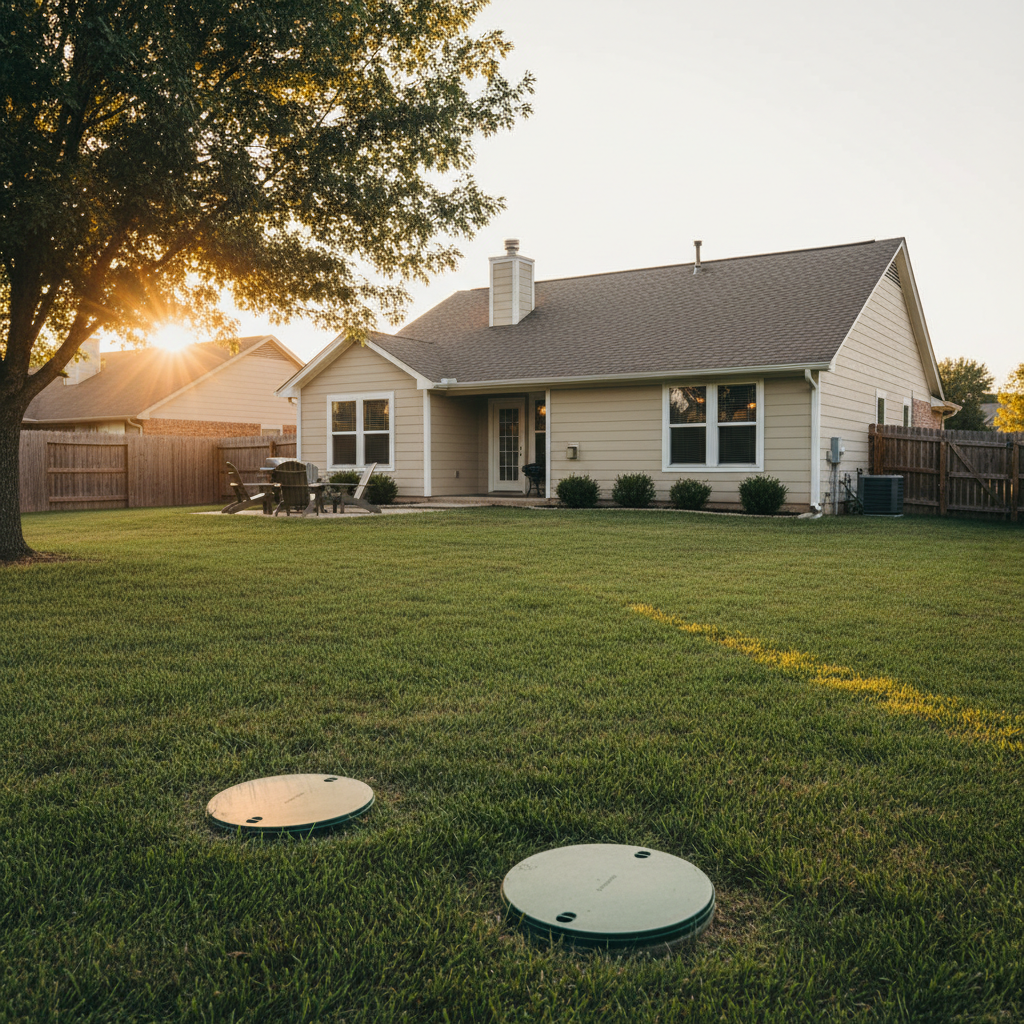
For the roughly one in five American households that rely on a septic system, the old adage "out of sight, out of mind" can be a costly mistake. Unlike a municipal sewer connection, a private septic system is your own personal wastewater treatment plant. It's a remarkably effective, self-contained marvel of engineering, but it's not a magical black box. It requires regular, proactive maintenance to function properly.
Ignoring your septic system won't just lead to unpleasant backups or smells; it can lead to catastrophic failure. A failed drainfield—the most common result of neglect—can cost anywhere from $10,000 to $30,000 or more to replace, not to mention the massive disruption to your yard and life. The good news is that preventing this scenario is straightforward and relatively inexpensive.
This guide will walk you through a simple yearly plan for septic maintenance. We’ll cover the small habits, the crucial professional services, and how to spot trouble long before it becomes a disaster. Understanding your system is the first step to protecting your investment and your peace of mind.
Understanding Your Septic System's Key Parts
Before you can maintain it, you need a basic idea of what you're dealing with. A conventional septic system has two main components: the septic tank and the drainfield. Knowing how they work together helps you understand what a septic technician is talking about and why their recommendations matter.
The Septic Tank
This is a large, buried, watertight container, typically made of concrete, fiberglass, or polyethylene. All the wastewater from your home—from toilets, showers, sinks, and laundry—flows into this tank. Inside, a simple but effective process occurs:
- Solids (called "sludge") are heavier than water and settle to the bottom. Here, anaerobic bacteria begin to break them down.
- Fats, oils, and grease (called "scum") are lighter than water and float to the top, forming a layer.
- The relatively clear liquid in the middle is called effluent. This is the only thing that should exit the tank.
The Baffles
Your tank has two critical components called baffles (or tees). The inlet baffle directs incoming waste downward, preventing it from disturbing the scum layer. The outlet baffle is even more important; it prevents the floating scum and the settled sludge from escaping the tank and flowing into your drainfield. A damaged or missing outlet baffle is a primary cause of premature drainfield failure.
When a septic pro inspects your tank, checking the integrity of these baffles is one of their most important jobs.
The Drainfield (or Leach Field)
The drainfield is a network of perforated pipes laid in gravel-filled trenches in your yard. The effluent from the septic tank flows into these pipes and slowly percolates into the surrounding soil. The soil acts as a natural filter, treating the wastewater and removing harmful bacteria, viruses, and nutrients before it reaches the groundwater.
The drainfield is the most expensive part of your system and the most sensitive. If solid waste clogs the perforated pipes or the soil becomes compacted or oversaturated, it can no longer absorb water. This is what's known as a failed drainfield.
The Core of Septic Maintenance: Pumping
The single most important maintenance task for your septic system is having the tank pumped out by a professional. The bacteria in your tank break down a lot of the solid waste, but they can't eliminate it completely. Over time, the sludge and scum layers build up, reducing the tank's effective capacity. If the sludge level gets too high, it will flow out into the drainfield, clogging it permanently.
Pumping removes these accumulated solids, essentially resetting the clock on your system.
How Often Should You Pump?
The standard advice is every 3 to 5 years, but this is just a guideline. The right frequency for your home depends on several factors:
- Household Size: More people means more water usage and more waste. A family of five will need to pump far more often than a household of two.
- Tank Size: A larger tank can hold more solids and go longer between pumpings. Most homes have a 1,000- or 1,250-gallon tank, but sizes can vary.
- Water Usage: Do you take long showers, do laundry every day, or run the dishwasher constantly? High water usage pushes effluent through the tank faster, giving solids less time to settle and increasing the risk of them being pushed into the drainfield.
- Garbage Disposal Use: Using a garbage disposal can increase the amount of solids entering your tank by up to 50%. If you use one frequently, you should plan on pumping more often (e.g., every 1-2 years instead of 3-5).
A septic pro can measure the sludge and scum layers during a service visit and give you a precise recommendation for your next pumping interval based on your specific usage.
What to Expect During a Pumping Service
When you hire a pro to pump your tank, the process is usually quick and efficient. They will:
- Locate the Lids: Your tank will have one or two lids. If they are buried, the technician may need to dig a little to access them. For easier access in the future, consider having risers installed, which bring the lids up to ground level.
- Open the Tank: They'll pry open the heavy concrete or plastic lids.
- Pump the Contents: A large hose connected to their truck will be inserted into the tank to vacuum out all the liquid, scum, and sludge.
- Inspect the Tank: A good operator will take a moment to check for cracks in the tank, look at the condition of the baffles, and check for any signs of backflow from the drainfield.
- Clean and Close: They may rinse the tank and will securely close the lids.
A typical pumping for a 1,000-gallon tank costs between $250 and $600, depending on your location and how much digging is required to access the lids.
Your Monthly & Quarterly Maintenance Checklist
While professional pumping is key, your daily habits have a huge impact on your system's health. What you put down the drain matters—a lot. Think of this as your ongoing maintenance plan that prevents problems and extends the time between expensive service calls.
What to Keep Out of Your System
Your septic system is a living biological environment, not a trash can. Protect it by keeping these items out of your drains:
- Grease, Fats, and Oils: They congeal and clog your pipes and, worse, the drainfield soil.
- "Flushable" Wipes: There is no such thing as a truly flushable wipe. They do not break down in a septic tank and are a leading cause of clogs.
- Feminine Hygiene Products, Paper Towels, Dental Floss: These items don't decompose and add to the solid layer.
- Harsh Chemicals: Bleach, drain cleaners, and antibacterial soaps kill the beneficial bacteria that your system relies on to break down waste. Use them sparingly. Biodegradable and septic-safe cleaners are a better choice.
- Paint, Solvents, Motor Oil: These are toxic pollutants and have no place in a septic system.
Spotting Trouble Early
On a quarterly basis, do a quick walk-around and check-in on your system. Catching these warning signs early can be the difference between a simple service call and a five-figure replacement project.
- Bad Odors: Persistent sewage smells around the tank or drainfield are a clear sign of trouble.
- Slow Drains: If all the drains in your house are running slow, it may point to a full or failing septic system rather than an isolated pipe clog.
- Gurgling Sounds: Loud gurgling from your pipes can indicate that the system is backed up and struggling to drain.
- Soggy Spots or Lush Grass: Unusually green or spongy patches of grass over your drainfield can mean untreated wastewater is surfacing—a serious health hazard and a sign of system failure.
If you notice any of these signs, don't wait. Call a reputable septic service professional immediately.
The Annual Septic System Inspection
While you don't need to pump your tank every year, an annual professional inspection can be a wise investment, especially for a new homeowner unfamiliar with their system. This is more in-depth than the quick look an operator takes during pumping.
Pumping vs. Inspecting: What's the Difference?
Think of it this way: Pumping is a required maintenance task, like changing the oil in your car. An inspection is a full diagnostic check-up. Many homeowners schedule an inspection at the same time as a pumping every few years. The inspector can measure the sludge and scum levels before pumping to tell you if your current schedule is appropriate.
What a Professional Inspector Looks For
A thorough inspection provides a complete health report on your system. A certified inspector will:
- Review Records: They'll ask about your household size, age of the system, and past maintenance records.
- Measure Sludge & Scum: This determines if the tank needs pumping.
- Check Mechanical Components: They'll inspect pumps, alarms, and floats if you have a more complex system (e.g., a mound or aerobic system).
- Assess Tank Integrity: They look for cracks, leaks, and corrosion in the tank and baffles.
- Examine the Drainfield: They will walk the entire drainfield area, probing the soil and looking for signs of saturation or surfacing effluent.
- Provide a Detailed Report: You should receive a written report detailing their findings and recommendations. This document is valuable for your records and for future buyers of your home.
Protecting Your Drainfield: The Most Important (and Expensive) Part
If you take away one thing from this guide, let it be this: protect your drainfield. A septic tank is relatively easy and cheap to pump. A drainfield is incredibly expensive and disruptive to replace. Most drainfield protection comes down to knowing where it is and what not to do on or near it.
Know Where It Is
If you don't have a diagram from when your house was built, a septic pro can help you locate the tank and the boundaries of your drainfield. Once you know where it is, treat that area with care.
Drainfield Do's and Don'ts
- DO plant only grass over the drainfield. Short-rooted native grasses are best.
- DO divert surface water away. Gutters, downspouts, and sump pump discharge should all be directed well away from the drainfield area to avoid oversaturating the soil.
- DON'T ever park cars or heavy equipment over the drainfield. This compacts the soil and can crush the pipes below.
- DON'T build anything over the drainfield. No decks, no patios, no sheds, no swimming pools. Not only is it a bad idea, but it's often illegal under local health codes.
- DON'T plant trees or large shrubs near the drainfield. Their roots will seek out the water in the pipes and clog or destroy them. A good rule of thumb is to plant trees at least as far away as their mature height.
Finding and Hiring a Qualified Septic Pro
Your septic system is a critical piece of your home's infrastructure. It's not the place to cut corners by hiring the cheapest or first-available person. Taking a little time to vet your septic company will pay off in the long run.
What to Look For in a Septic Company
- Licensing and Insurance: Most states or counties require septic pumpers and installers to be licensed or certified by the local health department. Always ask for proof of this license. They should also carry both general liability insurance and workers' compensation coverage to protect you from any accidents on your property.
- Reputation and Experience: Look for a company that has been serving your area for a long time. Check online reviews on sites like Google, Yelp, and the Better Business Bureau. Ask neighbors for recommendations.
- Clear, Upfront Pricing: A reputable company will be happy to explain their fees. Ask for the cost of a standard pump-out for your tank size and what variables (like digging) might increase the price.
- Proper Waste Disposal: This is a crucial question. Ask the company where they dispose of the septage they pump. They must use a licensed wastewater treatment facility. Illegally dumping waste is a serious environmental crime, and you don't want to be associated with a company that engages in it.
Questions to Ask Before You Hire
Arm yourself with these questions before you make the call:
- "What is your standard price for pumping a 1,000-gallon tank?"
- "Does that price include digging to access the lids if they are buried? If not, what is your hourly or flat rate for digging?"
- "Are you licensed by our county/state health department?"
- "Can you provide a certificate of insurance?"
- "When you pump, do you also perform a basic visual inspection of the tank and baffles?"
- "Where do you take the waste for treatment?"
A professional who can confidently and clearly answer these questions is likely a professional you can trust with the health of your septic system.
Frequently asked questions
Are septic tank additives or treatments necessary?+
Generally, no. A healthy septic system doesn't require additives, as your waste provides all the bacteria needed. Many additives are ineffective, and some can even harm the system by causing solids to become suspended and flow into the drainfield.
What are the first signs my septic tank is full or failing?+
Early warning signs include slow drains throughout your house, plumbing backups, gurgling sounds, and foul odors near the tank or in the yard. You might also see unusually lush or soggy patches of grass over the drainfield.
How much does it cost to pump a septic tank?+
The cost typically ranges from $250 to $600. Prices vary based on your location, the size of your tank, and how difficult it is to access the lids. Be sure to ask if the price includes digging to uncover the lids.
Can I use a garbage disposal with a septic system?+
You can, but it is strongly discouraged by most experts. A garbage disposal can increase the solid waste in your tank by up to 50%, which means you will need to pump your tank much more frequently to avoid clogs and drainfield damage.
What happens if I never pump my septic tank?+
If never pumped, the sludge and scum layers will eventually fill the tank. Solid waste will then flow into the drainfield, clogging the pipes and surrounding soil. This leads to irreversible drainfield failure, requiring a complete replacement that can cost tens of thousands of dollars.