
Fence Installation 101: A Homeowner's Guide to Materials, Costs, and Permits
Planning to install a new fence? Our guide breaks down popular materials, decodes installation costs, and helps you navigate permits to hire the right pro.
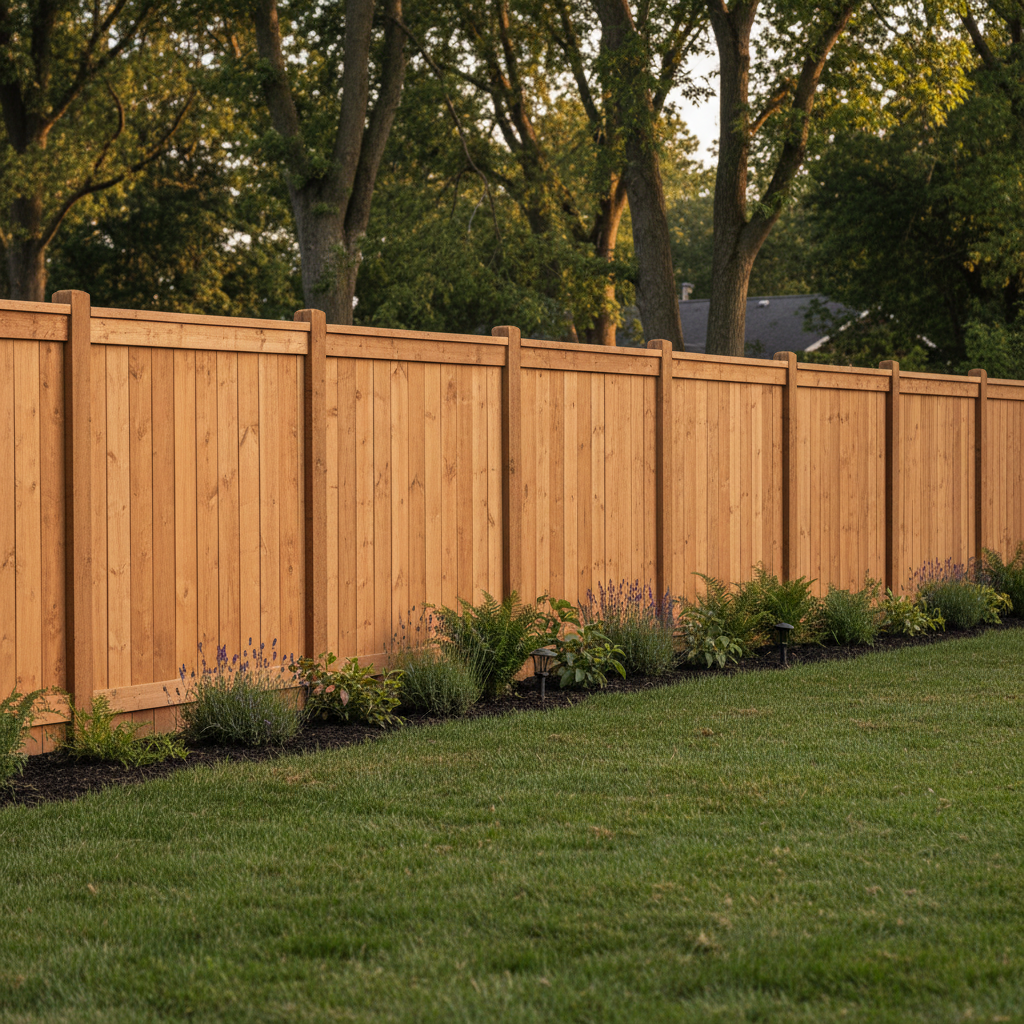
A new fence is more than just a boundary line. It’s a key feature that provides privacy for your family, safety for kids and pets, security against trespassers, and a major boost to your home's curb appeal. But choosing and installing a fence involves more than just picking a pretty style. To get it right, you need to understand the tradeoffs between different materials, get a handle on the true costs, and navigate the often-confusing world of local permits.
This guide is for homeowners who want to make a smart investment. We'll walk you through the essential decisions so you can hire a professional with confidence and end up with a fence that looks great and lasts for years.
Choosing Your Fence Material: A Homeowner's Guide
The material you choose is the single biggest factor influencing your fence's cost, appearance, and long-term maintenance needs. There’s no single “best” material; the right choice depends on your budget, your style preferences, your local climate, and how much time you’re willing to spend on upkeep.
Wood Fencing
Wood is the classic, all-American choice for a reason. It offers a warm, natural look that complements almost any home style. The most common choice is a privacy fence, typically built with overlapping pickets.
- Pros: Natural beauty, can be stained or painted any color, often the most affordable option upfront.
- Cons: Requires regular maintenance (staining or sealing every 2-5 years) to prevent rot, warping, and insect damage. Lifespan is shorter than other materials.
- Common Types:
- Pressure-Treated Pine: The most budget-friendly option. It's chemically treated to resist rot and insects, but can be prone to warping if not properly installed and maintained.
- Cedar: A popular upgrade. Cedar contains natural oils that make it resistant to rot and insects. It's more dimensionally stable than pine and has a beautiful, rich color.
- Redwood: A premium choice, similar to cedar but often more expensive and less available outside of the West Coast. It’s highly durable and naturally beautiful.
What this means for you: If you love the traditional look and are on a tighter initial budget, wood is a great option. Be prepared to commit to a regular maintenance schedule to protect your investment.
Vinyl (PVC) Fencing
Vinyl fencing has exploded in popularity over the last few decades. It's an engineered product designed to look like a clean, painted wood fence but without the maintenance.
- Pros: Extremely low maintenance (just needs occasional washing), will not rot, warp, or get eaten by insects. Comes in a variety of styles, including privacy, picket, and ranch rail.
- Cons: Higher upfront cost than most wood fences. Can become brittle and crack from high impacts or in extreme cold. Color choices are limited, and it cannot be repainted.
What this means for you: If your top priority is minimizing future chores, vinyl is an excellent choice. You'll pay more upfront for a product that you can largely ignore for the next 20+ years.
Aluminum Fencing
Sleek and modern, aluminum fencing is prized for its elegant appearance and durability. It's most often used for a wrought-iron look without the rust or weight.
- Pros: Will not rust, making it ideal for humid or coastal climates. It's lightweight, low maintenance, and comes in many decorative styles. Great for defining boundaries and securing pools without blocking the view.
- Cons: Offers little to no privacy. While strong, it can be dented or bent by a significant impact.
What this means for you: If you need to meet pool safety codes or want a decorative, high-visibility fence that requires virtually no upkeep, aluminum is a top contender.
Composite Fencing
Composite fencing is a premium product made from a blend of recycled plastic and wood fibers. It’s designed to mimic the look of wood with the durability of a synthetic material.
- Pros: The best of both worlds—it has a rich, wood-like appearance but is incredibly durable and low maintenance. It resists rot, insects, and fading far better than wood.
- Cons: This is typically the most expensive fencing material on the market. The high upfront cost can be a barrier for many homeowners.
What this means for you: If you have the budget and want the look of wood without any of the maintenance headaches, composite is the ultimate choice.
Chain-Link Fencing
Chain-link is the workhorse of the fencing world. It’s a purely functional, no-frills option focused on cost-effective security.
- Pros: The most affordable fencing material to install. It's durable and requires zero maintenance.
- Cons: Provides no privacy and has a very utilitarian look that may be restricted by some homeowner associations (HOAs). Privacy can be added with vinyl slats, but this increases the cost and can be less durable.
What this means for you: For purely functional needs on a tight budget—like enclosing a large backyard for a dog—chain-link gets the job done cheaply and effectively.
Decoding Fence Installation Costs
When you get quotes from contractors, they will almost always price the job by the “linear foot.” This price includes both materials and the labor to install them. Understanding what goes into that number will help you compare bids effectively.
A typical, professionally installed 6-foot privacy fence can range from $25 to $75+ per linear foot, depending on the material and job complexity.
Here’s a rough breakdown:
- Chain-Link: $15–$30 per linear foot
- Wood (Pressure-Treated Pine): $25–$45 per linear foot
- Wood (Cedar): $30–$55 per linear foot
- Vinyl/PVC: $30–$60 per linear foot
- Aluminum: $45–$75 per linear foot
- Composite: $50–$85+ per linear foot
Factors That Influence Your Final Bill
Your per-foot price is just the starting point. Several other factors can significantly impact your total project cost.
- Labor: Labor typically accounts for 40-50% of the total cost. A more experienced, reputable crew will cost more, but their skill can save you from costly mistakes down the line.
- Terrain and Site Conditions: Installing a fence on a steep slope, through rocky soil, or around dense tree roots requires much more labor. Your contractor will need to charge more for the extra time and equipment.
- Gates: Each gate is a significant additional cost. A standard 4-foot walk gate might add $300–$600, while a larger 10-foot drive gate could add $800–$2,000 or more, depending on the material and hardware.
- Height and Style: A 6-foot privacy fence costs more than a 4-foot picket fence. Similarly, complex designs like shadowbox or board-on-board styles require more material and labor than a simple stockade fence.
- Old Fence Removal and Disposal: If you have an existing fence, tearing it down and hauling it away will add to the cost. Expect to pay $3–$7 per linear foot for removal.
- Permits: The cost of the permit itself is usually minor ($50–$200), but the work required to prepare drawings and manage the application process may be included as a line item in your quote.
The Permit Maze: Don't Get Fenced In by Red Tape
Skipping the permit process is one of the most expensive mistakes a homeowner can make. If you build a fence that violates local zoning codes, your municipality can force you to tear it down at your own expense. A professional contractor should be an expert in local regulations, but the ultimate responsibility falls on you, the property owner.
Common Permit Requirements to Know
Every town is different, but here are the key rules you'll likely encounter:
- Property Lines: This is non-negotiable. You cannot build even one inch onto your neighbor's property. Before any work begins, you must know exactly where your property lines are. If you're not 100% certain, it is worth the $400–$800 investment to hire a surveyor to mark your property corners. Many pros recommend installing the fence 6 to 12 inches inside your property line to avoid any potential disputes.
- Height Restrictions: Most towns have different height limits for front and back yards. A common rule is a maximum of 4 feet for a front-yard fence and 6 feet for a side or backyard fence. Some cities allow up to 8 feet, but this often requires special approval.
- Setbacks: This rule dictates how far your fence must be from other features, like the public sidewalk, the street, or a corner intersection. A common setback is to be at least a few feet from a public sidewalk.
- Material and Style Restrictions: Some communities, and especially HOAs, have strict rules about what your fence can be made of. For example, chain-link may be forbidden in front yards, or you might be required to have the “finished” side of the fence facing your neighbors.
What this means for you: During the hiring process, specifically ask contractors: "How do you handle the permit process?" A good pro will either handle the entire application for you or provide you with the necessary drawings to submit it yourself. If a contractor dismisses the need for a permit, that’s a major red flag.
Hiring the Right Fencing Contractor
Your fence is only as good as the person who installs it. A poorly installed fence will sag, lean, and fail prematurely, no matter how expensive the materials are. Taking the time to vet your pro is crucial.
What to Look For in a Pro
- Proper Licensing and Insurance: The contractor should have a valid local license and, most importantly, carry both General Liability insurance and Workers' Compensation insurance. Liability protects your property from damage, and Workers' Comp protects you from being sued if one of their employees gets hurt on your property.
- Local Experience: A contractor who works in your area regularly will be familiar with the local soil conditions, weather patterns, and—critically—the permit office staff and zoning codes.
- Detailed, Written Quotes: Never accept a verbal quote. A professional bid will be a written document detailing the scope of work, including the linear footage, fence height, material type, gate specifications, removal costs, and payment schedule. Compare at least three quotes.
- Portfolio and References: Ask to see photos of their recent work. Even better, ask for the addresses of a few recent installations so you can drive by and see the quality for yourself. A confident pro will be happy to provide references from past customers.
Red Flags to Watch Out For:
- A contractor who pressures you for an immediate decision.
- Vague quotes that don't break down costs.
- Demands for a very large cash deposit upfront (10-30% is standard; 50% or more is a warning sign).
- A price that is dramatically lower than all other bids.
- Inability to provide proof of insurance or licensing.
Before the Crew Arrives: Pre-Installation Checklist
Once you've signed a contract, there are a few things you need to do to prepare for a smooth installation day.
- Talk to Your Neighbors: This is perhaps the most important step. Let them know you're installing a fence and when the work is scheduled to happen. If you plan to build on or near a shared property line, having their buy-in can prevent a world of conflict.
- Call 811 (Call Before You Dig): Your contractor should do this, but you should confirm it's been done. This free national service sends local utilities to mark the location of public underground lines (gas, electric, water) so the digging for fence posts doesn't cause a dangerous and expensive outage.
- Mark Private Lines: The 811 service will NOT mark private lines like irrigation systems, invisible dog fences, or electrical lines running to a shed or landscape lighting. You need to mark these yourself with flags or spray paint.
- Clear the Fence Line: Move anything within 3-4 feet of the proposed fence line, including firewood piles, planters, lawn furniture, toys, and temporary sheds. This gives the crew a safe and efficient workspace.
Long-Term Fence Care and Maintenance
Your fence is a significant home improvement investment. A little bit of proactive maintenance will protect its value and extend its life for years.
Keeping Your Fence in Top Shape
- Wood Fences: The key is to protect the wood from moisture and sun. Plan to re-stain or re-seal your fence every 3-5 years. Keep sprinklers from spraying directly on the fence and trim back any vegetation that touches the wood, as this traps moisture.
- Vinyl (PVC) and Composite Fences: These are simple. Clean them once or twice a year with a hose, a soft brush, and a mild soap solution to remove dirt, pollen, and mildew.
- Aluminum Fences: Annually check that the fasteners on gates and panels are secure. Wash as needed to keep it looking sharp. The powder-coated finish is extremely durable and rarely needs attention.
By planning ahead, choosing the right material for your needs, and hiring a qualified professional, you can ensure your new fence is a source of pride and value for decades to come.
Frequently asked questions
Do I really need a permit just to build a fence?+
Most of the time, yes. Nearly all municipalities require a permit for new fence construction to ensure it meets safety and zoning codes. A professional contractor should know the local rules and handle the process, but ignoring it can lead to fines and being forced to tear the fence down.
Should my fence be installed directly on the property line?+
It's best to avoid it. Most pros recommend installing the fence 6 to 12 inches inside your property line. This prevents any dispute with your neighbor and ensures you retain full control over both sides of the fence for maintenance, without having to access their yard.
How long does a typical fence installation take?+
For an average-sized suburban yard (150-200 linear feet), a professional crew can typically complete the installation in 1 to 3 days. The timeline can be extended by difficult terrain, rock-hard soil, or inclement weather.
What is the best low-maintenance fence material?+
Vinyl (PVC) and composite are the top choices for homeowners who want to avoid upkeep. They do not rot, warp, or need staining, and can be cleaned easily with soap and water. Aluminum is also extremely low-maintenance as it will not rust.
Can I save money by buying the fencing materials myself?+
While it's possible, it's often not recommended. Contractors typically get better pricing through their suppliers than you can at a big-box store. Also, if you supply the materials, the contractor's labor warranty might not cover issues that arise from a material defect, creating a complicated situation.