
Sump Pump Failure: A Homeowner's Guide to Prevention & Fast Fixes
A failed sump pump means a flooded basement. Learn the common causes of failure, what you can fix yourself, and when to call a plumber for a fast, professional repair.
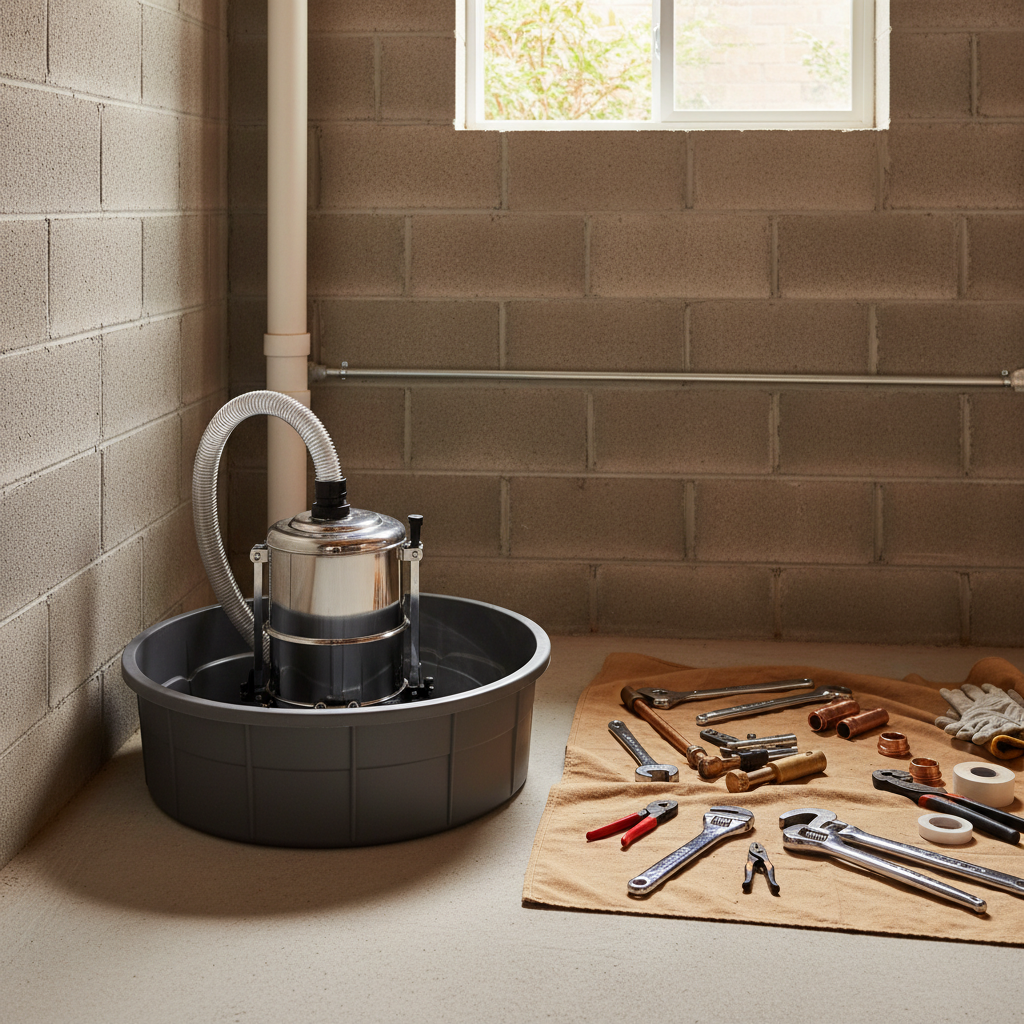
Your sump pump is the unsung hero of your basement or crawl space. It sits quietly in a corner, waiting for the one job it was designed to do: prevent a flood. But when it fails, that silence is quickly replaced by the stress and expense of water damage. A single pump failure can lead to thousands of dollars in restoration costs, ruined belongings, and a major mold problem.
Understanding why sump pumps fail—and what you can do about it—is one of the most cost-effective things you can learn as a homeowner. This guide will walk you through the common failure points, simple maintenance you can perform, and how to know when it’s time to call a professional plumber for a fast, reliable fix.
How a Sump Pump Works (and Why It Fails)
Before you can troubleshoot a problem, it helps to know the basic parts of your sump pump system. Think of it as a small, automated drainage system designed specifically for your home's lowest point. Knowing these components will help you describe any issues clearly when you call a plumber, saving time and ensuring a more accurate diagnosis.
Here’s a breakdown of a typical setup:
- The Sump Pit (or Basin): This is the hole, lined with gravel or a plastic liner, where groundwater from your home's foundation drain tile system collects. The pump sits inside this pit.
- The Pump: This is the motor that does the work. There are two main types: pedestal pumps (where the motor sits on a stalk above the water) and submersible pumps (where the entire unit sits underwater in the pit). Submersible pumps are more common in modern homes.
- The Float Switch: This is the trigger. As water rises in the pit, it lifts the float. When the float reaches a certain height, it activates the pump. As the pump removes the water, the float lowers and shuts the pump off. This is the single most common point of failure.
- The Check Valve: A one-way valve on the discharge pipe that prevents water from flowing back into the pit after the pump shuts off. A faulty check valve can cause the pump to run constantly, leading to premature burnout.
- The Discharge Pipe: This PVC pipe carries the water from the pump out of your house and away from the foundation, usually to a storm drain or a sloped part of your yard.
Failure can happen at any point in this chain. The power can go out, the switch can get stuck, the pump can get clogged, or the discharge line can freeze. Your goal is to keep each component in good working order.
The Top Reasons Your Sump Pump Failed
A sump pump rarely fails without a reason. By understanding the most common culprits, you can often prevent a disaster or quickly diagnose the problem during a storm. Here are the issues plumbers see most often.
Power Outages
This is the most frequent and frustrating cause of sump pump failure. Your pump runs on electricity, and heavy storms that bring flooding rainwater are often the same storms that knock out the power. Without electricity, your primary pump is useless.
- What this means for the homeowner: A standard sump pump offers zero protection during a power outage. If you live in an area with a high water table or frequent storms, relying on a single, grid-powered pump is a significant risk. This is the primary reason plumbers recommend installing a backup system. When you discuss options with a pro, they'll likely start here.
A Stuck or Malfunctioning Float Switch
The float switch is a moving part, and anything that moves can get stuck or break. Debris in the sump pit can wedge the float in the "off" position, so it never tells the pump to turn on. Alternatively, vibrations can cause the pump to shift in the pit, pinning the float against the basin wall. Sometimes, the switch simply wears out and fails electronically.
- What this means for the homeowner: A stuck switch can make a perfectly good pump look broken. This is one of the first things you or a plumber should check. If the switch is the problem, it can often be replaced for much less than the cost of a whole new pump. When hiring, ask if they will check the switch first or if they only recommend a full replacement.
A Clogged Pump or Discharge Line
Over time, sediment, small stones, and other debris can get sucked into the pump's intake screen, restricting water flow or seizing the motor. The discharge line is also vulnerable. The exit point outside can get blocked by dirt, mulch, or ice in the winter. A clog anywhere in the line means the water has nowhere to go, and it will back up into your basement.
- What this means for the homeowner: Regular cleaning of the sump pit can prevent most intake clogs. Checking the outdoor discharge pipe should be part of your seasonal yard cleanup. If you suspect a clog and can't easily clear it, it's time to call a pro. They have tools to clear lines without having to dig them up.
An Overwhelmed Pump (Wrong Size or Capacity)
Not all sump pumps are created equal. They are rated by horsepower (HP)—typically 1/3 HP, 1/2 HP, or 3/4 HP. A smaller, cheaper 1/3 HP pump from a big-box store might be fine for a home with minor seepage, but it can be quickly overwhelmed in a serious downpour or if your home is in an area with a high water table. An undersized pump will run continuously trying to keep up, leading to a much shorter lifespan and failure when you need it most.
- What this means for the homeowner: Pump sizing isn't a DIY guess. A professional plumber will assess your home’s specific needs—the size of your basement, the local water table, and historical rainfall—to recommend the right size and type of pump. Investing in a properly sized, high-quality pump is far cheaper than a basement restoration.
Old Age and Lack of Maintenance
Like any mechanical device with a motor, a sump pump has a finite lifespan. A good quality, professionally installed submersible sump pump typically lasts about 7 to 10 years. Cheaper models may only last a few years. If you don't know how old your pump is, you could be living on borrowed time.
- What this means for the homeowner: Don't wait for it to fail. If your pump is approaching the 10-year mark, you should proactively replace it. This is a planned, non-emergency job that will be much less expensive and stressful than a frantic, middle-of-the-night replacement with water rising around your ankles.
DIY Sump Pump Checks vs. Calling a Plumber
When your pump isn't working, a few simple checks can sometimes save you the cost of a service call. But it's crucial to know your limits and when to pick up the phone. Water and electricity are a dangerous mix.
Simple Checks You Can Do Yourself
If your basement is NOT actively flooding and you feel comfortable, try these steps:
- Check the Power: Is the pump plugged in? Sump pumps should be on a dedicated GFCI (Ground Fault Circuit Interrupter) outlet. Check if the GFCI has tripped (press the "Reset" button). Also, check your home's main circuit breaker panel.
- Test the Float Switch: Slowly pour a large bucket of water (5 gallons or so) into the sump pit. This should raise the float and trigger the pump. If the pump runs and empties the pit, you know the basic mechanics are working.
- Inspect the Float: If the water test failed, look at the float switch. Is it tangled in the power cord? Is it pinned against the side of the basin? Carefully untangle it or center the pump to give it free movement, then try the water test again.
- Check the Discharge Pipe Exit: Go outside and find where the pipe exits your house. Make sure it's not buried under mulch, blocked by a rock, or covered in snow and ice.
When to Call a Pro Immediately
Do not hesitate to call a licensed plumber if you encounter any of these situations:
- Your basement is actively taking on water.
- The pump is making a humming, grinding, or rattling noise but isn't pumping water.
- You see any signs of electrical problems like burn marks on the outlet or you smell ozone.
- The circuit breaker or GFCI outlet trips repeatedly.
- The problem isn't obvious after the simple checks above.
- You are simply not comfortable working around water and electricity.
A plumber's service call fee is a small price to pay for safety and peace of mind.
The Pro-Active Homeowner’s Sump Pump Maintenance Checklist
Preventative maintenance is the key to a reliable sump pump. Most of these tasks take just a few minutes every few months.
Quarterly (Every 3 Months):
- Perform the bucket test described above. Pouring water into the pit is the only way to be sure the float switch and pump will activate when needed.
- Check that the pump is plugged into its GFCI outlet.
- If you have a battery backup system, check its status light to ensure it's holding a charge.
Annually (Once a Year, ideally before the rainy season):
- Unplug the pump and remove it from the pit. Inspect the intake screen at the bottom and clean off any mud, stones, or debris.
- Clean out the sump pit itself. Scoop out any sediment or debris that has collected at the bottom.
- While the pump is out, check the check valve to ensure it's working properly.
- Take the pump outside and connect it to a garden hose and an extension cord to give it a good flush.
- Go outside and have a partner run the garden hose into the sump pit while you confirm water is flowing freely from the discharge line exit. This is a great way to spot hidden clogs.
If this sounds like more than you want to handle, many plumbing companies offer annual sump pump maintenance plans. For a fee of around $100–$250, they will perform all these checks for you, giving you a professional assessment of your system's health.
Upgrading Your Sump Pump System: What Are Your Options?
If you're replacing an old pump or want to build a more resilient system, you have several options beyond a basic, single-pump setup. A conversation with a plumber can help you decide which upgrades make sense for your home and budget.
Primary Pump Materials: Cast Iron vs. Plastic
When choosing a primary pump, you'll see models made of thermoplastic and models made of cast iron. Thermoplastic pumps are less expensive but are less durable and don't dissipate heat as well, potentially shortening the motor's life. Cast iron pumps are heavier, more durable, and better at handling heat from the motor, which generally translates to a longer service life. For a primary pump that you depend on, most pros will recommend a cast iron model.
Battery Backup Systems
This is the most important upgrade for most homeowners. A battery backup system consists of a secondary, smaller pump powered by a deep-cycle marine battery. It sits in the pit slightly higher than the primary pump. If the power goes out or the primary pump fails, the water level rises high enough to activate the backup pump, which runs off the battery. A good system can pump thousands of gallons on a single charge, getting you through a typical power outage. Expect to pay between $800 and $1,500 for a quality battery backup system, professionally installed.
Water-Powered Backup Pumps
An alternative to a battery system is a water-powered pump. This device uses the pressure from your home's municipal water supply to create a siphon that sucks water out of the sump pit. The main advantages are that it requires no electricity and never runs out of power (as long as your city water is on). The disadvantages are that they use a significant amount of city water (often using 1 gallon of city water for every 2 gallons they remove), are not as powerful as battery backups, and are only an option if you have reliable, high-pressure municipal water (they don't work with well water).
Smart Sump Pumps and Alarms
For ultimate peace of mind, especially if you travel, consider a 'smart' system. Many modern backup systems and standalone alarms can connect to your home's Wi-Fi. If there's a power outage, if the backup pump activates, or if the water level reaches a critical point, the system will send an alert directly to your smartphone, giving you time to react before it becomes a catastrophe.
Hiring a Plumber for Sump Pump Work: What to Expect
When your sump pump needs service or replacement, you need a qualified professional. This isn't a job for a general handyman. You need a licensed plumber who understands drainage, piping, and the electrical components involved.
Key Questions to Ask a Plumber:
- Are you licensed and insured in my state/city? This is non-negotiable. It protects you if something goes wrong.
- Do you have experience with sump pumps, including backup systems? You want someone who does this work regularly, not just occasionally.
- What brand and model of pump do you recommend, and why? A good pro will recommend professional-grade brands (like Zoeller or Liberty Pumps) and explain why they are better than off-the-shelf hardware store models.
- Can you give me a flat-rate price for the job? Get a clear, written estimate for the total cost, including labor and materials, before work begins.
- What does your warranty cover? Ask about the warranty on both the pump itself (manufacturer's warranty) and the plumber's installation workmanship.
Understanding the Costs
Sump pump pricing can vary widely based on your location, the complexity of the job, and the equipment you choose. Here are some typical cost ranges:
- Emergency Service Call: Expect a premium for after-hours or weekend work. This fee can range from $150 to $350 before any repairs are even made.
- Simple Repair (e.g., replacing a float switch or check valve): $250 – $500.
- Standard Sump Pump Replacement (1/2 HP cast iron): $600 – $1,200. This includes the new pump, materials, and labor.
- Battery Backup System Installation (as an add-on): $800 – $1,500.
- All-New System (new pit, primary pump, and backup pump): $2,500 – $4,500+.
Your sump pump is a small investment that protects a very large asset: your home. By understanding how it works, performing regular maintenance, and hiring a qualified professional when needed, you can ensure your basement stays dry, safe, and healthy for years to come.
Frequently asked questions
How often should I replace my sump pump?+
A quality submersible sump pump has an average lifespan of 7 to 10 years. To avoid a failure during a storm, it's wise to proactively replace your pump if it's approaching the 10-year mark, even if it seems to be working fine.
Is a battery backup sump pump really worth the cost?+
Absolutely, especially if you live in an area prone to power outages. Since the heaviest rains often cause power failures, a battery backup is your only defense against flooding when the lights go out. The cost of a backup system is a fraction of the cost of a basement flood restoration.
My sump pump is humming but not pumping water. What's wrong?+
A humming sound usually means the pump is getting power but the motor is stuck or the discharge line is completely blocked. This could be due to a seized impeller or a major clog. Unplug the pump immediately to prevent the motor from burning out and call a plumber for diagnosis.
Can I install a new sump pump myself?+
While it's possible for a homeowner with strong DIY skills, it's generally recommended to hire a licensed plumber. Proper installation involves both plumbing and electrical work, and mistakes can lead to leaks, electrical hazards, or premature pump failure. A pro ensures it's done right and to code.
Where should my sump pump discharge pipe empty?+
The discharge pipe must carry water at least 10 to 20 feet away from your home's foundation. It should empty into a location where the ground slopes away from the house, such as a storm drain, a dry well, or onto your lawn. Never discharge it right next to the foundation, as the water will just seep back down and cycle through the pump again.