
How to Vet a Plumber: A Homeowner's 7-Step Checklist
A leaky faucet can turn into a flooded kitchen with the wrong pro. Here’s a step-by-step guide to vetting a local plumber to ensure you hire a qualified, trustworthy expert.
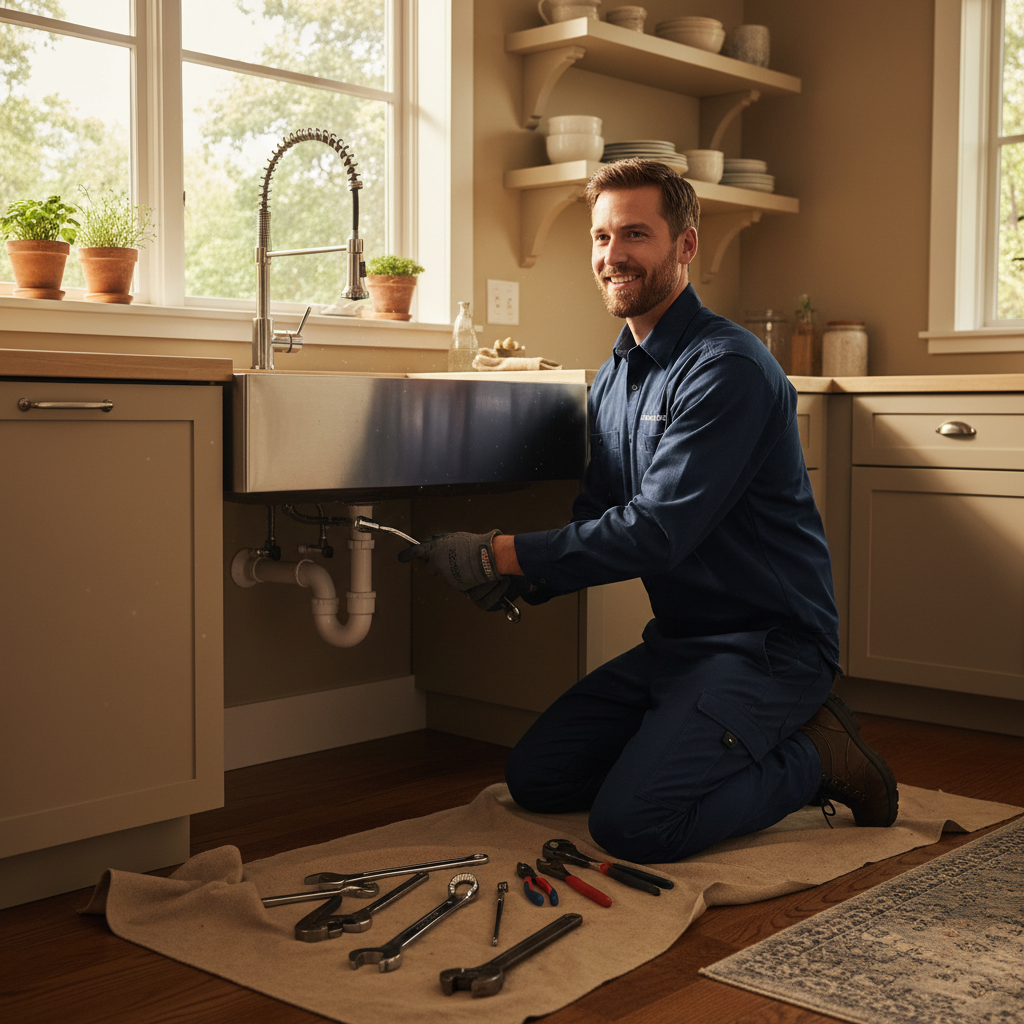
Of all the tradespeople you might hire, a plumber is one of the most critical. A botched plumbing job doesn’t just look bad—it can lead to catastrophic water damage, mold, and unsanitary conditions. A small leak from a poorly installed faucet can warp your cabinets and subfloor, while a mistake on a sewer line can create a nightmare scenario no homeowner wants to face.
But finding a great plumber isn't about luck. It's about a methodical vetting process. Taking the time to check credentials, read reviews, and ask the right questions can save you thousands of dollars and immense stress. This guide will walk you through a seven-step process to confidently hire a qualified, trustworthy plumber for any job, big or small.
Start with the Non-Negotiables: Licensing and Insurance
Before you even think about price or availability, you need to confirm two crucial details: proper licensing and full insurance. These are not just formalities; they are your primary protection as a homeowner.
Why Licensing Matters
A plumbing license is proof that the individual or company has met state-mandated requirements for training, experience, and competency. Most states require plumbers to pass exams demonstrating their knowledge of plumbing codes, safety procedures, and modern techniques.
- Accountability: A licensed plumber has a governing body to answer to. If they perform shoddy work, you have a formal recourse through the state licensing board.
- Code Compliance: Licensed plumbers are required to know and follow local and state building codes. This is crucial for your safety and for passing inspections, especially on larger projects like remodels or water heater replacements. Work that isn't up to code can cause major problems when you try to sell your home.
- Levels of Licensing: You might encounter different titles. A Journeyman Plumber is fully licensed and qualified to perform most residential work. A Master Plumber has additional years of experience and has passed more rigorous exams, allowing them to design complex plumbing systems and supervise other plumbers. For most home repairs, a journeyman is perfectly suitable. An Apprentice is still in training and must work under the direct supervision of a licensed journeyman or master plumber.
What this means for you: Always ask for a plumber's license number. You can—and should—verify it on your state's contractor licensing board website. If they are hesitant to provide it, that's a major red flag. Move on.
The Importance of Insurance
Insurance is even more critical. A reputable plumber will carry two types of coverage:
- General Liability Insurance: This protects your property. If the plumber accidentally floods your basement, cracks a tile floor, or causes any other damage while working, their liability insurance covers the cost of repairs. Without it, you could be left suing them personally—a long and often fruitless process.
- Worker's Compensation Insurance: This protects the workers. If a plumber or their employee gets injured on your property, this insurance covers their medical bills and lost wages. If they don't have it, they could potentially sue you to cover those costs, claiming your property was unsafe.
What this means for you: Ask for a certificate of insurance (COI) that shows their coverage is current. A professional company will provide this without hesitation. Don't just take their word for it; the peace of mind is worth the extra step.
Dig Into Their Reputation and Track Record
Once you've confirmed the basics, it's time to find out what past customers think. A long history of satisfied clients is one of the best indicators of a reliable business.
How to Read Online Reviews
Websites like Google, Yelp, and the Better Business Bureau (BBB) are good starting points. But don't just look at the star rating. Dive into the actual reviews and look for patterns.
- Look for trends: One angry review isn't a dealbreaker, but if you see ten different reviews all complaining about hidden fees, poor communication, or leaving a mess behind, pay attention.
- Praise for specifics: Positive reviews that mention specific strengths are valuable. Do customers consistently say the plumber was on time, communicated clearly, and solved the problem efficiently?
- Read the company's responses: How does the business handle negative feedback? A professional response that aims to resolve the issue is a good sign. A defensive or aggressive response is a red flag.
Local sources like a neighborhood Facebook group or Nextdoor can also be goldmines. A direct recommendation from a neighbor carries a lot of weight.
Ask for and Check References
For large-scale projects—like a bathroom remodel, a whole-house repipe, or a sewer line replacement—don't be shy about asking for references. Any contractor proud of their work will be happy to connect you with a few recent customers.
When you call a reference, ask targeted questions:
- What kind of work did they do for you?
- Did the final cost match the initial estimate?
- Were they professional and respectful of your home?
- How did they handle any unexpected problems that came up?
- Would you hire them again?
Understand Their Pricing and Estimates
Plumbing costs can vary widely, so it's essential to understand how a company structures its pricing and what to expect in an estimate.
Pricing Models: Flat-Rate vs. Hourly
- Hourly Rate: The plumber charges a set rate per hour, plus the cost of materials. This can be economical for simple, quick repairs. The downside is that if the job takes longer than expected, your bill goes up. A typical hourly rate for a licensed plumber can range from $75 to $200, depending on your location and their experience, often with a 2-3 hour minimum.
- Flat-Rate Pricing: The plumber quotes you a single, all-inclusive price for the entire job, regardless of how long it takes. This gives you cost certainty, which is great for budgeting. Most reputable companies use flat-rate pricing for common jobs (e.g., "faucet replacement, $350 plus parts").
Many plumbers also charge a trip fee or diagnostic fee (e.g., $50-$150) to come to your home and assess the problem. This is a standard and fair practice that covers their time and travel. Often, this fee is waived if you approve the work.
The Anatomy of a Good Estimate
For any job beyond a simple clog, you must get a detailed, written estimate before any work begins. A vague, verbal quote is a recipe for disaster. A professional estimate should include:
- A detailed scope of work: Exactly what will be done.
- An itemized list of materials and parts with their costs.
- The breakdown of labor charges.
- The total cost.
- The payment schedule and accepted payment methods.
- Any warranties or guarantees on workmanship and materials.
What this means for you: For any job over $1,000, get at least three separate estimates. This will give you a clear sense of the fair market rate and help you spot any outliers. Be wary of a bid that is dramatically lower than the others; it often indicates the contractor is cutting corners on materials, insurance, or skill.
Evaluate Their Professionalism and Communication
How a company interacts with you before they get the job is a strong predictor of how they'll behave once they're in your home.
Pay attention from the very first interaction. When you call, does a real person answer professionally, or does it go to a generic voicemail? Do they get back to you in a timely manner?
During an in-person estimate, observe their behavior:
- Punctuality and Appearance: Do they arrive on time? Are they in a clean uniform and driving a clearly marked company vehicle? These are signs of a well-run, professional operation.
- Respect for Your Home: Do they put on shoe covers before walking on your carpet? Do they seem mindful of your property?
- Clear Explanations: Do they take the time to explain the problem and the proposed solution in terms you can understand? Or do they use a lot of jargon and make you feel uniformed? A great plumber is also a great communicator.
If you feel rushed, pressured, or dismissed during the estimate process, trust your gut. This is not the person you want handling a plumbing emergency.
Ask Smart Questions During the Consultation
When the plumber is at your home for an estimate, you have a valuable opportunity to interview them. Don't be afraid to ask direct questions. Their answers will reveal a lot about their experience and business practices.
Here are some key questions to ask:
- "Who will actually be doing the work?" Will it be the master plumber giving the estimate, or a junior technician or apprentice? It's important to know the experience level of the person who will be responsible for the job.
- "How long have you been in business?" A company with a long, stable history in your community is generally a safer bet than one that just started.
- "Are you experienced with this specific type of project?" Not all plumbers are experts in everything. If you need a tankless water heater installed or have old cast iron pipes, you want someone with specific, demonstrable experience in that area.
- "What types of materials do you recommend and why?" For example, if they are repiping a section, will they use PEX, copper, or PVC? A good plumber can explain the pros and cons of each material for your specific situation and budget.
- "What kind of warranty or guarantee do you offer on your workmanship?" A reputable company will stand behind its work. A one-year warranty on labor is a common standard.
- "Will you handle pulling the necessary permits for this job?" For larger jobs like water heater replacements or moving plumbing lines, a municipal permit is often required. The plumber should manage this entire process. If they suggest skipping the permit to save money, run the other way. Unpermitted work can create huge legal and financial problems for you down the line.
Putting It All Together: Your Vetting Checklist
It can feel like a lot to remember. Use this simple checklist to guide you through the process from start to finish.
Before You Call
- Ask friends, family, and neighbors for trusted recommendations.
- Search online for well-reviewed plumbers in your zip code.
- Shortlist 3-4 promising candidates.
During the Call/Estimate
- Confirm they are licensed and fully insured (General Liability and Worker's Comp).
- Ask about their experience with your specific type of project.
- Ask about their pricing model (hourly vs. flat-rate) and if they have a trip charge.
- Assess their professionalism, communication, and punctuality.
- Discuss warranties on labor and materials.
Before You Sign
- Get a detailed, written estimate from each candidate (for larger jobs).
- Compare the estimates, looking at more than just the bottom-line price. What materials are they using? What's the scope of work?
- Verify their license number on your state's official website.
- For a major project, call the references they provided.
- Trust your gut. Choose the plumber you feel most comfortable and confident with.
Choosing the right plumber is about more than just fixing a leak. It's about finding a reliable partner you can trust to protect your home's most vital systems. By following these steps, you can avoid the high cost of a bad hire and ensure your plumbing is in capable, professional hands for years to come.
Frequently asked questions
Do I really need a licensed plumber for a small job like replacing a faucet?+
Yes, it's always the safest bet. Even a simple faucet replacement can lead to leaks and water damage if not done correctly. A licensed plumber ensures it's installed to code and their work is backed by insurance if anything goes wrong.
What's the difference between a master plumber and a journeyman?+
A master plumber has the highest level of certification, with years of experience and the ability to design systems and supervise others. A journeyman is also fully licensed and competent for most residential jobs. Either is a qualified choice for common home repairs and installations.
Why would one plumber's estimate be so much cheaper than another's?+
An unusually low bid can be a major red flag. It may indicate they are unlicensed or uninsured, plan to use inferior materials, or intend to add surprise charges later. A fair price reflects skilled labor, quality parts, and proper business credentials.
Should I pay for the whole plumbing job upfront?+
No. Never pay for the entire project before work is completed to your satisfaction. A reasonable deposit of 10-30% for materials is standard on larger jobs, with the final balance due only after the work is finished.
What is a 'trip charge' and is it normal for plumbers to charge one?+
A trip charge or diagnostic fee is a normal and fair practice in the industry. It covers the plumber's fuel and time to travel to your home and diagnose the problem. This fee, typically $50-$150, is often deducted from the final bill if you hire them to perform the repair.