
Is Your HVAC on Its Last Legs? 7 Signs It's Time for a Repair or Replacement
Your HVAC system rarely fails without warning. Learn the key signs of trouble, from strange noises to rising bills, to decide if you need a simple repair or a full replacement.
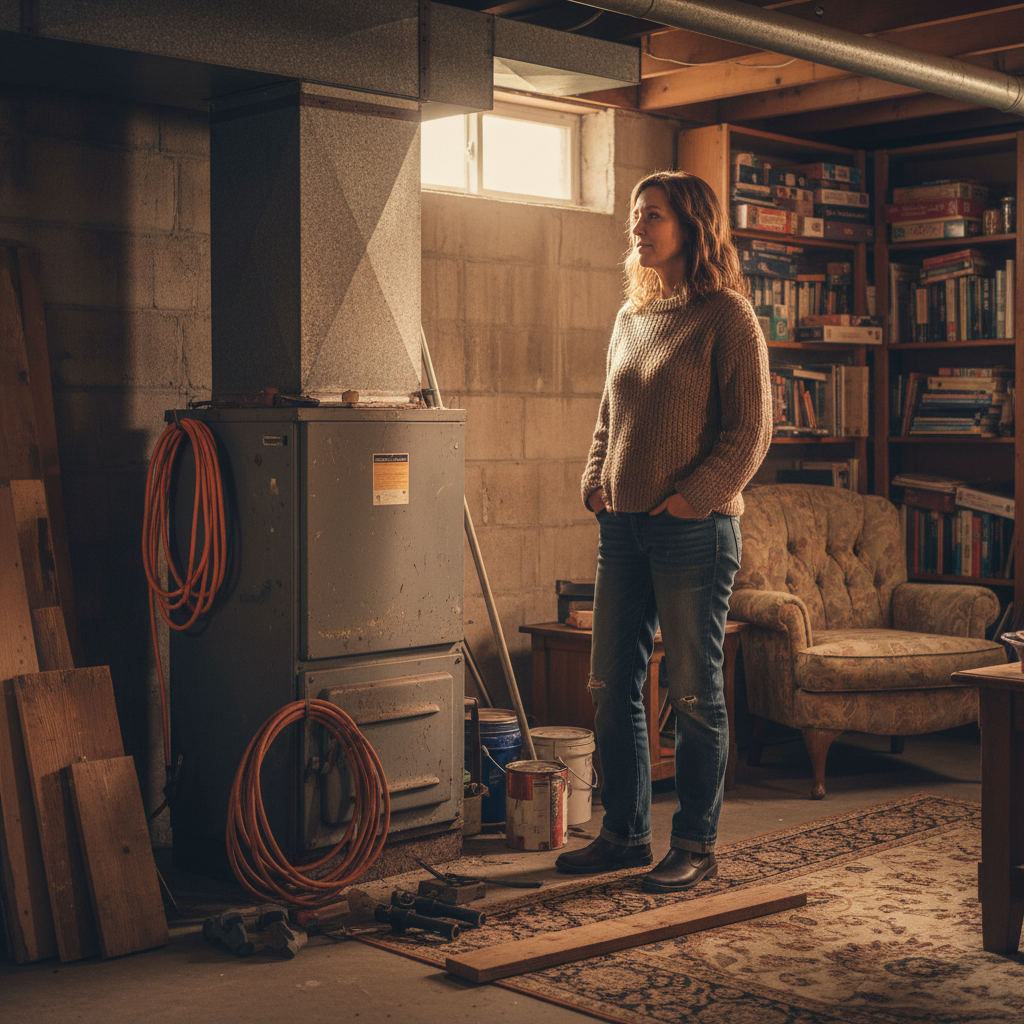
Your home's heating, ventilation, and air conditioning (HVAC) system is the unsung hero of your daily comfort. It works tirelessly in the background, keeping you cool on sweltering summer days and warm during winter's chill. Because it's mostly out of sight, it's easy to take for granted—until it stops working. A sudden failure, especially during extreme weather, isn't just an inconvenience; it's an emergency that can lead to rushed decisions and potentially inflated costs.
The good news is that HVAC systems rarely die without giving off some warning signs. By learning to recognize these signals, you can move from a reactive, crisis-driven position to a proactive, planned one. Knowing when your system is in trouble allows you to schedule a service call on your terms, budget for a potential replacement, and take the time to find the right contractor for the job. This guide will walk you through the key indicators that your HVAC system might be about to fail, helping you decide whether a simple repair will suffice or if it's time to invest in a new unit.
Your System's Age is More Than Just a Number
Like any major appliance, your HVAC system has a finite lifespan. While regular maintenance can extend its years of service, no amount of care can make it last forever. Knowing the age of your system is the first step in predicting its eventual decline.
- Central Air Conditioners: Typically last 10–15 years. In coastal areas with salt air, this lifespan can be shorter.
- Furnaces (Gas or Electric): Generally have a longer life, around 15–20 years. Some high-quality, well-maintained units can approach 25 years, but their efficiency will be much lower than modern alternatives.
- Heat Pumps: Because they do double duty for both heating and cooling, they tend to have a lifespan similar to AC units, around 10–15 years.
If your system is approaching or has surpassed these age milestones, it's living on borrowed time, even if it seems to be working fine. Older systems are less efficient, meaning they cost more to run. For example, a 15-year-old air conditioner might have a SEER (Seasonal Energy Efficiency Ratio) rating of 10, while new models are required to have a minimum SEER of 14 or 15, depending on your region. A new unit can cut your cooling costs by 20-40%.
Furthermore, if your air conditioner was installed before 2010, it likely uses R-22 refrigerant (Freon). The U.S. government has phased out R-22 due to its environmental impact, making it incredibly expensive and difficult to source. A simple refrigerant leak on an old R-22 system can lead to a repair bill so high that it makes more sense to replace the entire unit.
What This Means for You
If your HVAC system is in its golden years, start planning for a replacement now. You have the luxury of time to research options, get multiple quotes from vetted HVAC professionals, and secure financing if needed. Waiting for a catastrophic failure on a 100-degree day forces you into a corner where you may have to accept the first available contractor and whatever unit they have in stock.
Strange Noises and Unpleasant Smells
Your HVAC system should operate with a consistent, low-level hum. When that soundscape changes, it's often a sign that something is mechanically wrong. Ignoring these auditory warnings is like ignoring the check engine light on your car.
Noises to Listen For
- Banging or Clanking: This often indicates a loose or broken part, such as a motor mount, connecting rod, or blower component. It's a serious mechanical issue that needs immediate attention to prevent further damage.
- Squealing or Screeching: This high-pitched sound typically points to a problem with a belt or the motor bearings. A failing blower motor or outdoor fan motor will often start with a squeal before seizing up completely.
- Rattling: A rattling noise could be as simple as a loose access panel or debris in the outdoor unit. However, it can also signal the deterioration of a component as it begins to fail.
- Constant Clicking: While a single click is normal when the system starts or stops, persistent clicking could indicate an electrical control problem, like a failing thermostat or a faulty relay.
Odors to Notice
- Burning Smell: A dusty, burning smell when you first turn on the heat in the fall is common and usually harmless. However, a sharp, metallic, or electrical burning smell is a major red flag. It could mean the motor is overheating or there's a wiring issue. Turn the system off immediately and call a pro.
- Musty or Moldy Odor: This suggests mold or mildew growth somewhere in the system, likely in the evaporator coil or ductwork. This is an indoor air quality concern that can impact your family's health.
- Rotten Egg Smell: If you have a gas furnace, this smell is a sign of a potential natural gas leak. This is an emergency. Leave your home immediately, do not use any electronics or light switches, and call your gas company from a safe distance.
What This Means for You
Don't play detective for too long. New noises and smells are your system's way of crying for help. A strange sound is almost always a mechanical problem, and a bad odor can be a health and safety risk. Shut down the system if you smell something burning or suspect a gas leak, and call a qualified HVAC technician for a diagnosis.
Your Energy Bills Keep Climbing
Have you noticed your monthly utility bills creeping up, even when your usage habits haven't changed? Your HVAC system, the single biggest energy consumer in most homes, is a likely culprit.
As HVAC components age, they lose efficiency. The compressor has to work harder, the fan motor may struggle, and small refrigerant leaks can reduce performance. The system is forced to run longer and draw more power to achieve the same temperature you've set on your thermostat. This gradual decline in performance translates directly to a gradual increase in your energy costs.
While you should also consider other factors like air leaks in your home's envelope or rising utility rates, a steady, year-over-year increase in your heating and cooling costs is a classic symptom of an aging, inefficient HVAC system.
What This Means for You
Gather your utility bills from the last couple of years and compare the same months (e.g., July vs. July). If you see a clear upward trend that can't be explained by rate hikes or a heatwave, your HVAC system is likely losing its battle with age. When you call an HVAC pro, they can perform a diagnostic test to assess the system's efficiency. The potential long-term savings from a new, high-efficiency unit can often help offset the initial replacement cost.
Inconsistent Temperatures and Poor Airflow
Is one room an icebox while another feels stuffy? Do you have to hover over a vent just to feel a faint whisper of air? These are signs that your HVAC system is no longer distributing air effectively.
This can be caused by several issues, ranging from simple fixes to major problems:
- The Simple Stuff: Always check for blocked vents or a dirty air filter first. A clogged filter is the #1 cause of reduced airflow and can be easily fixed by the homeowner.
- Ductwork Problems: Over time, ductwork can develop leaks, become disconnected, or even get blocked by debris or pests. Leaky ducts pull in unconditioned air from your attic or crawlspace and fail to deliver conditioned air where it's needed.
- Failing Components: A weakening blower motor won't have the power to push air throughout your entire home. A failing compressor in your AC or heat pump won't be able to cool or heat the air sufficiently, leading to weak performance.
- Improper Sizing: If the system was undersized for your home from the start, it may have always struggled to keep up and is now showing its age more dramatically.
What This Means for You
Start with the easy DIY checks: replace your air filter and make sure all your supply and return vents are open and unobstructed. If the problem persists, it's time to call in a professional. A technician can inspect your ductwork for leaks (a common and highly effective repair), test your blower motor, and check refrigerant levels. This diagnosis will determine if you have a ducting issue, a failing part, or a more fundamental system problem.
You're on a First-Name Basis with Your Repair Tech
An HVAC system should require little more than an annual maintenance visit. If you find yourself scheduling repairs multiple times a year, it's a clear sign that the system is entering a cycle of failure.
One part fails and is replaced, which then puts a strain on another older component, causing it to fail next. This domino effect can drain your wallet with a series of expensive service calls.
There's a simple financial rule of thumb to consider: the 50% rule. If the cost of a single repair is 50% or more of the cost of a new system, replacement is almost always the more sensible long-term investment. Pouring a few thousand dollars into fixing a 15-year-old unit with a cracked heat exchanger or a dead compressor is often not a wise use of money. You're simply patching up a system that is likely to have another major failure soon.
What This Means for You
Keep a log of your HVAC repairs. If you're facing another costly repair on an aging system, pause and ask the technician for their honest assessment of the unit's overall health and remaining lifespan. Get a quote for the repair, but also ask for a quote for a full system replacement. This allows you to make an informed financial decision instead of throwing good money after bad.
Excessive Dust and Humidity Problems
Your HVAC system does more than just control temperature; it also plays a crucial role in managing your home's indoor air quality by filtering air and removing humidity.
If you notice a sudden increase in dust around your home, even after cleaning, it could be a sign of leaky ductwork. When ducts that run through an attic, crawlspace, or walls have holes or gaps, the system's return side can suck in dusty, dirty air and distribute it throughout your house.
Similarly, your air conditioner's primary job besides cooling is to dehumidify. If your home feels clammy or sticky in the summer, or you notice condensation on the inside of your windows, your AC may be failing to remove moisture effectively. This could be due to a refrigerant leak, a faulty component, or because the system is oversized and cools the house too quickly to run a proper dehumidification cycle. High indoor humidity is not just a comfort issue; it can also promote mold growth.
What This Means for You
Poor air quality and humidity control are signs that your HVAC system isn't performing its secondary functions correctly. When you call a pro, mention these specific issues. They can perform tests to check for duct leakage and measure the system's ability to dehumidify. Solutions might range from duct sealing to a system tune-up, or it could be another indicator that the entire system is nearing the end of its life.
What to Do: Repair or Replace?
Recognizing the warning signs is the first step. The next is making the tough call: should you repair the unit or replace it entirely? Here’s a simple framework to guide your conversation with an HVAC contractor.
Consider a Repair When:
- The system is less than 10 years old. A younger system is generally worth repairing.
- The repair is a one-off issue. It's the first major problem you've had.
- The repair cost is manageable. It's less than 25% of the cost of a new system.
- Your energy bills have been stable. The system is still running efficiently.
- You plan to move within 1-2 years. A large investment in a new system may not pay off.
Lean Towards Replacement When:
- The system is over 15 years old. It's nearing the end of its expected lifespan.
- The repair is expensive. The cost is approaching 50% or more of a new unit's price tag.
- The system requires frequent repairs. You're constantly calling for service.
- Your energy bills are consistently rising. The unit is no longer efficient.
- The system uses R-22 refrigerant. Future repairs involving refrigerant will be prohibitively expensive.
- You want better comfort and air quality. A new system can offer improved humidity control, quieter operation, and smarter features.
What This Means for You
Use this checklist when discussing your options with a pro. A trustworthy contractor will present both repair and replacement scenarios clearly, explaining the pros and cons of each. For a major job like a replacement, always get at least three quotes from different, well-vetted companies. This will not only give you a fair market price but also expose you to different equipment options and installation philosophies, ensuring you make the best long-term decision for your home and budget.
Frequently asked questions
How much does a new HVAC system cost?+
A complete HVAC system replacement, including a new furnace and central air conditioner, typically costs between $8,000 and $15,000 in the US. The final price depends on your home's size, the system's efficiency rating (SEER), your location, and the complexity of the installation.
Can I just replace the outside AC unit and keep my old furnace?+
While sometimes possible, it's usually best to replace both the indoor and outdoor units at the same time. A 'matched system' is designed to work together for optimal efficiency and performance. Mismatching an old furnace with a new AC can lead to reduced efficiency and premature failure.
How long does it take to replace an HVAC system?+
A straightforward replacement of a furnace and air conditioner typically takes one full day. If the job involves significant ductwork modification, running new refrigerant lines, or other complexities, it could extend to two days.
What is a SEER rating?+
SEER stands for Seasonal Energy Efficiency Ratio. It's like a car's MPG rating—the higher the SEER number, the more energy-efficient the air conditioner is. Upgrading to a higher SEER unit costs more upfront but results in lower electricity bills.
Is annual HVAC maintenance really worth the cost?+
Absolutely. Annual professional maintenance, typically costing $100-$200, is crucial for system longevity and efficiency. A technician can clean components, check refrigerant levels, and spot small problems before they become catastrophic failures, often saving you money and preventing unexpected breakdowns. Most manufacturer warranties also require proof of regular maintenance.