
The Real Cost of a Bathroom Remodel in 2026: A Homeowner's Guide
Planning a bathroom remodel? This guide breaks down the real costs for 2026, from a simple refresh to a full gut renovation, so you can budget wisely and hire the right pro.
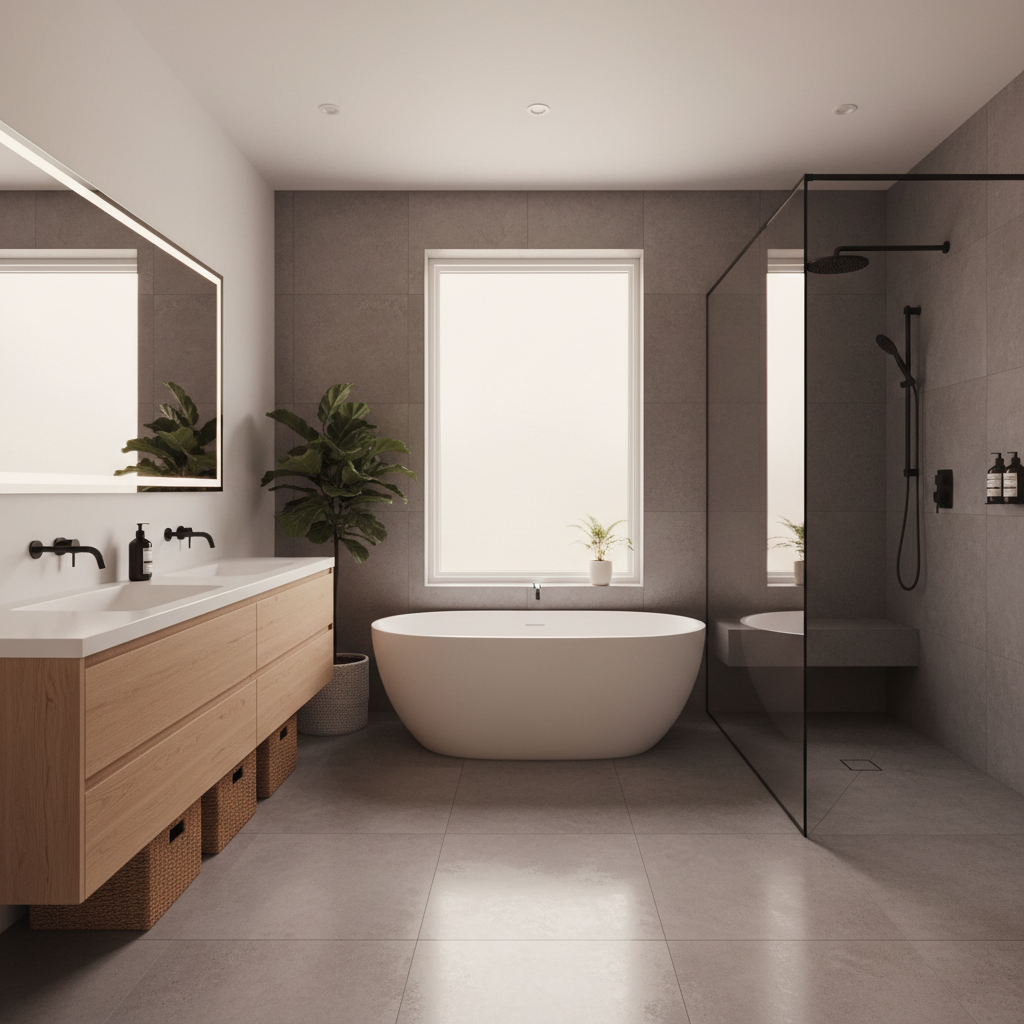
A bathroom remodel is one of the most popular home improvement projects, and for good reason. It can dramatically improve your daily routine and add significant value to your home. But when you start researching costs, you’re hit with a dizzying range of prices, from a few thousand dollars to the cost of a new car. What gives?
The truth is, there is no single "average cost." The price of your project depends entirely on what you want to achieve. This guide is here to demystify the numbers for 2026. We’ll break down the different tiers of remodels, uncover the hidden costs you need to plan for, and give you the knowledge to hire a qualified professional with confidence.
What Drives Bathroom Remodel Costs? The Big Three
Before we get into specific price tags, it’s essential to understand the three main factors that will have the biggest impact on your budget. Nearly every decision you make will be a tradeoff between these three elements.
1. The Size of the Space
A small 5'x7' guest bathroom or powder room has less surface area for new tile, a smaller vanity, and fewer fixtures than a sprawling 12'x15' primary suite. The more square footage you have, the more materials you'll need and the more labor it will take to install them. A larger bathroom also presents more opportunities to add features like a separate water closet, a double vanity, or a large walk-in shower, all of which add to the cost.
2. The Scope of the Work
This is the single most important cost driver. Are you simply giving the room a cosmetic facelift, or are you tearing everything out down to the studs and starting from scratch?
- Cosmetic Update: This involves surface-level changes like new paint, a new faucet, new light fixtures, and maybe a new vanity top. The underlying plumbing and electrical systems remain untouched.
- Pull-and-Replace Remodel: This is a much more involved project where you replace everything—tub, toilet, vanity, tile—but keep it all in the same location. You’re not moving any walls or rerouting plumbing and electrical lines.
- Custom Gut Renovation: This is the most expensive and complex scope. It involves changing the bathroom's layout, which means moving plumbing drains, water supply lines, electrical wiring, and potentially even walls. This level of work requires extensive planning, permits, and multiple skilled tradespeople.
3. The Quality of Materials and Finishes
Your taste in materials has a huge effect on the final bill. For nearly every item in a bathroom, there is a spectrum from budget-friendly to ultra-luxury.
- Tile: A basic ceramic tile from a big-box store might cost $3 per square foot. A high-end natural stone or handmade Zellige tile could be $30-$50 per square foot or more.
- Vanity: A stock vanity from a home improvement store can be had for $400. A custom-built vanity with a high-end quartz countertop could easily top $5,000.
- Fixtures: You can buy a faucet and showerhead combo for $200, or you can opt for a designer brand with a specific finish that costs $2,000.
Understanding these three drivers is key. When you get a quote from a contractor, it’s a reflection of the size of your room, the scope of work you've requested, and the materials you've chosen.
Bathroom Remodel Cost Breakdown: A Tale of Three Tiers
To make budgeting more tangible, let's break down the costs into three common project tiers. These ranges are typical for projects managed by a professional contractor in most US markets for 2026. Labor accounts for a significant portion—often 40% to 60%—of these totals.
The Basic Update / Cosmetic Refresh: $5,000 – $15,000
This tier is all about making a big impact with smart, surface-level changes. It's the perfect option if your bathroom's layout is functional but the style is stuck in another decade.
- What it typically includes:
- Interior painting
- Replacing the vanity and top (or just the top and faucet)
- Installing a new toilet
- Updating light fixtures and mirror
- Replacing hardware on cabinets
- Possibly reglazing an existing tub or shower instead of replacing it.
- What it doesn't include: Moving plumbing or walls, new tile work (unless it's a simple peel-and-stick floor), or changing the layout.
- Who you'll hire: For a project this size, you might hire a specialized bathroom remodeler who can handle the multiple small tasks, or a reputable handyman service. If you're only replacing a faucet or light, a plumber or electrician would be the right call. Much of this work can also be DIY for a handy homeowner.
The Mid-Range Remodel / Pull-and-Replace: $15,000 – $35,000
This is the most common type of full bathroom remodel. You're getting a completely new look and feel, but you’re saving significant money by keeping the existing layout and plumbing locations.
- What it typically includes:
- Demolition of all old fixtures and finishes
- New bathtub or a new tiled shower pan and walls
- New tile on the floor and in the shower/tub surround
- New, mid-range vanity, countertop, and faucets
- New toilet
- New lighting, mirror, and exhaust fan
- All necessary plumbing and electrical work for the new fixtures (in their existing locations).
- What it doesn't include: Changing the bathroom's footprint, moving the toilet or shower drain, or high-end luxury materials.
- Who you'll hire: This project requires a General Contractor (GC) or a design-build firm. They will manage the entire process, including scheduling the necessary licensed subcontractors like plumbers, electricians, and tile setters. This is not a simple DIY job.
The High-End / Custom Renovation: $35,000 – $100,000+
Welcome to the dream bathroom. In this tier, you're not just updating—you're re-imagining the space. This is a major construction project that involves significant changes to the structure, plumbing, and electrical systems.
- What it typically includes:
- Everything in the mid-range remodel, plus…
- Expanding the bathroom by moving or removing walls
- Relocating the shower, toilet, and sinks
- High-end materials like natural stone slabs, custom cabinetry, and designer fixtures
- Luxury features like a steam shower, heated flooring, a freestanding soaking tub, or smart-home integration.
- Architectural and design fees.
- What it doesn't include: The only limit is your budget and imagination.
- Who you'll hire: You'll almost certainly work with a design-build firm or hire an architect/designer to draw up plans and then bring in a high-end General Contractor to execute the vision. This requires a top-tier team with proven experience in complex renovations.
The Hidden Costs: Budgeting for What You Can't See
One of the biggest mistakes a homeowner can make is creating a budget that only accounts for the pretty, finished materials. A successful remodel depends on planning for the less glamorous—but absolutely critical—costs.
- Permits ($400 – $2,000): If your remodel involves moving plumbing, electrical, or structural walls, you will need a permit from your local building department. The cost varies widely by municipality. Your contractor should handle the process of pulling the permit, but the cost is passed on to you. A permit ensures the work is inspected and done to code, protecting your safety and your home's value.
- The Contingency Fund (10-20%): This is non-negotiable. Set aside an extra 10-20% of your total budget for surprises. When your contractor opens up the walls, they might find rotten subflooring from a slow leak, active mold, outdated and unsafe wiring, or asbestos that needs professional abatement. Without a contingency fund, these discoveries can derail your project or force you to make compromises on your finishes.
- Labor (40-60% of Total Cost): Don't underestimate the cost of skilled labor. While a vanity might cost $800, the licensed plumber who installs it correctly and the tile setter who creates a flawless, waterproof shower are charging for their expertise, insurance, tools, and years of training. Trying to save money on labor by hiring an unlicensed or unqualified person is the fastest way to a disastrous and expensive outcome.
- Debris Removal ($300 - $800): All that old tile, drywall, and that heavy cast iron tub have to go somewhere. Your contractor will factor in the cost of a dumpster rental or junk hauling services to dispose of construction debris properly.
A Closer Look at Material & Fixture Costs in 2026
To help you build a realistic budget, here are some typical cost ranges for common bathroom components. Prices reflect a range from good-quality, builder-grade options to semi-custom and high-end choices, not including installation labor.
- Vanity (with top):
- Stock (Big Box Store): $300 – $1,500
- Semi-Custom: $1,500 – $4,000
- Fully Custom: $4,000+
- Tile (per square foot, material only):
- Ceramic/Porcelain: $3 – $15
- Glass: $10 – $30
- Natural Stone (Marble, Travertine): $15 – $50+
- Bathtub / Shower:
- New Bathtub (Alcove style): $400 – $2,000
- Freestanding Tub: $1,500 – $8,000+
- Tiled Walk-in Shower (including pan, waterproofing, tile, and glass): $5,000 – $15,000+
- Toilet:
- Standard Two-Piece: $200 – $500
- High-Efficiency / Skirted One-Piece: $500 – $1,200
- Smart Toilet (with bidet/heated seat): $1,200 – $4,000+
- Faucets & Fixtures (per piece):
- Sink Faucet: $150 – $800+
- Shower/Tub Faucet Set: $200 – $1,500+
What this means for you: When you're planning your remodel, create a spreadsheet with each of these items. Researching the specific models and styles you like will give you a much more accurate picture of your material costs than any generic online calculator.
How to Hire the Right Pro for Your Bathroom Remodel
Choosing the right professional is the most important decision you will make. Their skill and professionalism will determine the quality, cost, and overall experience of your project.
Know Who to Call
- General Contractor (GC): The best choice for mid-range to high-end remodels. A GC manages the entire project, hires and schedules all the necessary subcontractors (plumbers, electricians, tile setters), pulls permits, and is your single point of contact and responsibility.
- Design-Build Firm: This is a company that has designers, project managers, and construction crews all under one roof. It's a streamlined option for high-end, custom renovations where you want a cohesive vision from start to finish.
- Specialized Bathroom Remodeler: These companies focus exclusively on bathrooms. They are often a good fit for pull-and-replace projects, as they have the process down to a science. Make sure they are licensed as a general contractor if they are managing other trades.
Getting Bids: The Rule of Three
Always get at least three detailed bids from qualified contractors for any significant project. But don't just compare the bottom-line price. A good bid is a sign of a thorough professional. It should include:
- A detailed scope of work describing every step, from demolition to final paint.
- A breakdown of costs for labor and materials (or at least allowances for fixtures).
- A clear payment schedule.
- An estimated timeline.
A suspiciously low bid often means the contractor has missed something, is using subpar materials, or is cutting corners on insurance or labor—all of which will cost you more in the long run.
Checking Credentials: The Non-Negotiables
Before you sign a contract with anyone, verify these three things:
- License: Ask for their contractor license number and verify it with your state's licensing board online. An active license means they have met minimum requirements of competency and financial stability.
- Insurance: Ask for a Certificate of Insurance (COI). They must have both General Liability (to cover property damage) and Worker's Compensation (to cover injuries to their crew). If they don't have it, you could be liable.
- References: Talk to their last three clients. Ask how the project went, if they stayed on budget, how they handled problems, and if they would hire them again.
Saving Money Without Cutting Corners
A tight budget doesn't mean you can't have a beautiful new bathroom. It just means you need to be strategic.
- Keep the Layout: As we've discussed, not moving plumbing or electrical is the number one way to keep costs down.
- Be a Smart Shopper: Look for floor models, remnants for small vanity tops, or check out local tile outlet stores. Choose high-impact splurges (like a beautiful vanity) and save on less noticeable items.
- Do Some Work Yourself (Carefully): If you're handy, you can save on labor by doing your own demolition and painting. However, leave the waterproofing, plumbing, and electrical work to the licensed pros. A botched waterproofing job can lead to thousands in water damage.
- Refinish, Don't Replace: If you have a vintage cast-iron tub in good condition, consider having it professionally reglazed for a fraction of the cost of replacement. The same can sometimes be done for tile.
By planning carefully, understanding the real costs, and hiring a vetted professional, you can ensure your 2026 bathroom remodel is a worthwhile investment that you'll enjoy for years to come.
Frequently asked questions
How much should I budget for unexpected costs in a bathroom remodel?+
Plan for a contingency fund of 10-20% of your total project cost. This covers unforeseen issues like hidden water damage, outdated wiring, or mold that can only be found after demolition begins.
How long does a typical bathroom remodel take?+
A simple cosmetic update might take a week, while a standard pull-and-replace remodel often takes 3 to 5 weeks. A major renovation involving layout changes can take 6 to 12 weeks or more, depending on permits and custom orders.
Can I save money by buying my own materials?+
Sometimes, but always discuss it with your contractor first. They often get trade discounts you can't access, and they are responsible for ensuring all materials are correct and on-site when needed. If you supply a wrong or damaged item, the resulting delays can cost you more in the long run.
Do I need a permit for a bathroom remodel?+
You typically need a permit if you're moving walls, changing the electrical layout, or altering the plumbing supply or drain lines. Simple cosmetic updates like painting or replacing a faucet usually don't require one, but always check with your local building department to be sure.
What's the biggest mistake homeowners make when remodeling a bathroom?+
The biggest mistake is not having a detailed plan and a firm budget before starting. A close second is hiring the cheapest contractor without checking their license, insurance, and references, which often leads to poor workmanship and costly repairs down the road.