
Choosing a Roof for Your Climate: Asphalt vs. Metal vs. Tile
Is asphalt, metal, or tile the right roofing material for your home? This guide breaks down the pros, cons, and costs of each based on your local climate.
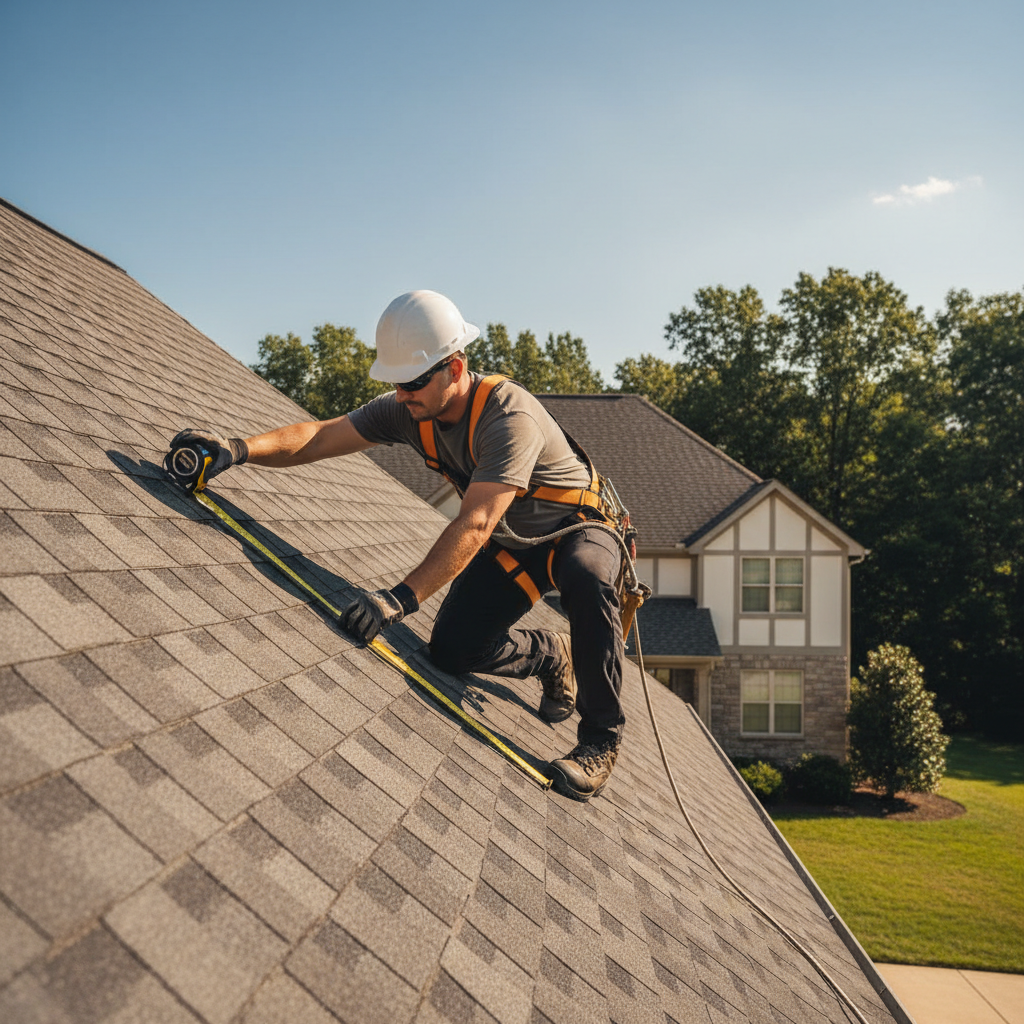
A new roof is one of the biggest investments you'll make in your home. It’s not just about stopping leaks; it's a critical part of your home's defense against the elements, a major factor in its energy efficiency, and a huge component of its curb appeal. When it’s time for a replacement, the sheer number of material choices can be overwhelming. The most common options in the U.S. are asphalt shingles, metal roofing, and tile—and the best one for you heavily depends on where you live.
Choosing the wrong material for your climate can lead to premature failure, costly repairs, and years of frustration. A roof that performs beautifully in the dry heat of Arizona might fail miserably under the heavy snow load of a Minnesota winter. This guide will walk you through the pros and cons of asphalt, metal, and tile, helping you understand how your local weather patterns should influence your decision. We'll break down the costs, the lifespan, and what you need to know before you pick up the phone to call a professional roofer.
Understanding Your Climate's Impact on Your Roof
Before you can pick a material, you need to diagnose the primary challenges your roof will face year after year. While every region has its unique weather quirks, most of the U.S. can be broken down into a few general climate zones, each with its own set of roofing enemies.
Hot, Humid, and Stormy Regions (e.g., Southeast, Gulf Coast)
If you live in a place like Florida, Louisiana, or the Carolinas, your roof is in a constant battle with intense sun, high humidity, and the threat of hurricanes or severe thunderstorms. The key challenges here are:
- UV Radiation: Relentless sun exposure breaks down materials over time, causing asphalt to become brittle and lose its protective granules.
- High Winds: Hurricane-force winds can lift and tear off shingles, leaving your home's underlayment exposed to torrential rain.
- Humidity and Rain: Constant moisture encourages the growth of algae and moss, which can trap water, degrade shingles, and create unsightly black streaks.
- Salt Air: For coastal homes, salt spray can corrode certain types of metal fasteners and components.
Hot and Dry Regions (e.g., Southwest)
In Arizona, Nevada, and parts of California and Texas, the challenges are different but no less severe. Your roof needs to withstand:
- Extreme Heat: The surface of a roof can reach scorching temperatures, which can accelerate the aging of materials like asphalt.
- Intense UV Exposure: Just like in humid climates, the sun is a primary enemy, causing fading and degradation.
- Thermal Shock: The temperature can swing dramatically from a hot day to a cool night, causing materials to expand and contract, which can lead to cracking over time.
- Occasional Heavy Rains: Monsoon season can bring sudden, intense downpours that test your roof's water-shedding capabilities.
Cold and Snowy Regions (e.g., Northeast, Midwest, Mountain West)
Winter is the main event for roofs in places like New England, Chicago, or Denver. The primary concerns are:
- Heavy Snow Load: A roof must be strong enough to support the weight of accumulated snow without sagging or collapsing.
- Ice Dams: When heat from your attic melts the bottom layer of snow on the roof, the water can run down to the colder eaves and refreeze, creating a dam. This blocks further drainage, forcing water back up under your shingles and into your home.
- Freeze-Thaw Cycles: Water that seeps into small cracks can freeze, expand, and widen those cracks. This repetitive cycle can destroy shingles, tiles, and even flashing over a single season.
Temperate or Mixed-Climate Regions (e.g., Pacific Northwest, Mid-Atlantic)
These regions get a little bit of everything: hot summers, cold winters, rain, and maybe some snow. Here, a roof needs to be a versatile performer, able to handle moderate heat, moisture, and occasional freezes without a single, overwhelming threat.
Understanding these factors is the first step. Now, let's see how each material stacks up against them.
The All-Around Contender: Asphalt Shingles
Asphalt shingles are the most common roofing material in North America, and for good reason. They offer a great balance of cost, performance, and style for many homeowners. But they aren't a one-size-fits-all solution.
There are two main types you'll encounter: traditional 3-tab shingles and the more popular architectural (or dimensional) shingles. 3-tab shingles are made from a single flat layer, offering a basic, uniform look. Architectural shingles are thicker, with multiple layers laminated together, creating a richer, more varied texture that mimics the look of wood shake or slate.
Pros of Asphalt Shingles
- Affordability: This is their biggest selling point. Asphalt shingles have the lowest upfront installation cost of the three major types.
- Wide Availability: Nearly every roofer knows how to install them, and materials are easy to find.
- Variety: They come in a huge range of colors and styles, making it easy to match your home's aesthetic.
Cons of Asphalt Shingles
- Shorter Lifespan: A typical asphalt shingle roof lasts 15-25 years. This is significantly less than metal or tile.
- Vulnerability to Extreme Weather: High winds can tear them off, severe hail can puncture them, and intense, prolonged sun can cook the volatile compounds out of them, making them brittle.
- Prone to Algae/Moss: In humid climates, they are susceptible to black streaks from algae (Gloeocapsa magma), which, while mostly cosmetic, can be a sign of moisture retention.
Climate Performance
- Best For: Temperate climates where no single weather element is constantly extreme. Architectural shingles, with their greater weight and durability, perform reasonably well in most areas but are still a compromise in the harshest environments.
- Challenged In: Hot, sunny regions where they can age quickly, and in high-wind zones where they are the most likely material to suffer damage in a major storm. In snowy climates, they don't shed snow as well as metal and are more susceptible to ice dam damage.
What This Means for You When Hiring
If you choose asphalt, ask your contractor about the specific products they recommend for your climate. In a sunny climate, look for shingles with high solar-reflectivity ratings (often called "cool roof" shingles). In a high-wind area, ask about shingles with a Class 4 impact rating and superior wind warranties. Always opt for architectural shingles over 3-tab; the small additional cost buys you significantly more durability and a longer lifespan.
The Durable Defender: Metal Roofing
Once thought of as only for barns or commercial buildings, metal roofing has exploded in popularity for residential homes. It offers unparalleled durability and longevity, making it a true long-term investment. The two most common styles are standing seam (long, vertical panels with raised seams) and metal shingles or tiles that mimic the look of traditional materials.
Pros of Metal Roofing
- Exceptional Longevity: A properly installed metal roof can last 50-70 years or more, often two to three times longer than an asphalt roof.
- Weather Resistance: Metal is outstanding against extreme weather. It easily sheds snow and rain, can withstand hurricane-force winds when properly fastened, and is highly resistant to fire and rot.
- Energy Efficiency: Lighter-colored metal roofs reflect a significant amount of solar heat, which can reduce cooling costs by 10-25% in hot, sunny climates. This is a major advantage over heat-absorbing asphalt.
- Lightweight: Despite its strength, metal is much lighter than tile and even some architectural shingles, meaning it rarely requires structural reinforcement.
Cons of Metal Roofing
- High Upfront Cost: The initial investment for a metal roof is significantly higher than for asphalt.
- Specialized Installation: Not every roofer is an expert in metal. It requires special tools and techniques to prevent leaks and allow for proper expansion and contraction.
- Potential for Noise: Rain on a metal roof can be louder than on shingles, although modern installation with proper decking and insulation makes this much less of an issue than it used to be.
- Denting: While strong, some metal (like aluminum or lower-gauge steel) can be dented by very large hail.
Climate Performance
- Best For: Snowy regions, where its slick surface sheds snow easily and helps prevent ice dams. It's also a top performer in hot, sunny climates due to its reflective properties and in hurricane zones because of its incredible wind uplift resistance.
- Challenged In: Coastal areas with salt spray, where you must choose the right material (like aluminum or specially coated steel) and fasteners to prevent corrosion. Hail-prone areas might require heavier-gauge steel or stone-coated metal shingles for dent resistance.
What This Means for You When Hiring
When getting quotes for a metal roof, vetting your contractor is paramount. Ask for a portfolio of their metal roof projects and speak with references. Inquire about the specific material they plan to use (e.g., G-90 galvanized steel, Galvalume-coated steel, or aluminum) and why it’s right for your climate. A cheap metal roof installation is a recipe for disaster, as improper fastening or flashing will lead to leaks that are difficult to trace and repair.
The Timeless Classic: Tile Roofing (Clay and Concrete)
Tile roofs, whether made of natural clay or molded concrete, offer a distinctive, premium look and a lifespan that can exceed that of the house itself. They are the defining feature of Mediterranean and Spanish-style architecture but are used in a variety of high-end applications.
Pros of Tile Roofing
- Unmatched Lifespan: Clay and concrete tiles can last 100 years or more. They are impervious to rot and insect damage.
- Superior Fire Resistance: Tile is non-combustible, offering the highest level of fire protection.
- Excellent in Hot Climates: The heavy thermal mass of tile and the air channel created underneath them can help block heat from being transferred into your attic, keeping your home cooler.
Cons of Tile Roofing
- Extremely Heavy: Tile is by far the heaviest roofing material. Your home's structure must be engineered to support the load, and older homes may require expensive structural reinforcement.
- High Upfront Cost: The material and labor costs for tile are among the highest.
- Brittleness: While durable, tiles can crack from severe hail impact or if walked on improperly by an inexperienced worker.
- Complex Installation: Like metal, tile roofing is a specialized trade. Proper installation of the underlayment, battens, and flashing is critical to prevent leaks.
Climate Performance
- Best For: Hot, dry climates and hot, humid coastal regions. Their thermal properties are a huge benefit in places like the Southwest. In coastal areas like Florida, they stand up well to salt air and sun, and when installed to modern standards, can have excellent wind resistance.
- Challenged In: Cold climates with frequent freeze-thaw cycles. If a tile absorbs moisture and then freezes, it can crack. While modern concrete tiles have improved performance in this regard, they are still not the go-to choice for regions with severe winters.
What This Means for You When Hiring
If you're considering tile, the first step is often a structural engineer's assessment to confirm your home can handle the weight. When hiring a roofer, you must find a company that specializes in tile. Ask them how they handle foot traffic during installation to prevent breakage and what kind of underlayment they use—the underlayment is the true waterproofing layer and is just as important as the tile itself.
Comparing the Costs: Upfront Investment vs. Lifetime Value
Choosing a roof isn't just about the initial check you write. A cheap roof that needs to be replaced every 15 years can easily end up costing more than a durable roof that lasts for 50. Here’s a general breakdown of what to expect, though prices vary significantly by region and complexity.
Asphalt Shingles (Architectural):
- Upfront Cost: $8,000 – $15,000 for a typical home.
- Lifespan: 20-25 years.
- Lifetime Value: Lowest upfront cost, but will likely need to be replaced 2-3 times over the lifespan of a single metal or tile roof. Maintenance involves replacing occasional blown-off or damaged shingles.
Metal Roofing (Standing Seam):
- Upfront Cost: $15,000 – $30,000+ for a typical home.
- Lifespan: 50-70+ years.
- Lifetime Value: High upfront cost, but excellent long-term value. It could be the last roof you ever install. Energy savings in hot climates can also offset some of the initial cost over time. Maintenance is minimal.
Tile Roofing (Clay or Concrete):
- Upfront Cost: $20,000 – $40,000+ (plus potential structural costs).
- Lifespan: 50-100+ years.
- Lifetime Value: Highest upfront cost, but essentially a permanent roof. Provides excellent resale value in markets where tile is common. Maintenance involves periodic checks for cracked or slipped tiles, especially after a hail storm or if someone has walked on the roof.
How to Hire the Right Roofing Pro for Your Project
Your choice of contractor is just as important as your choice of material. A great product installed poorly will fail. As you prepare to hire, follow these essential steps to protect your investment.
Get Multiple, Detailed Bids: Contact at least three to five reputable roofing companies. Don't just look at the bottom-line price. A good bid will be a detailed document that breaks down the cost of materials, labor, permits, and cleanup. It should specify the exact product being installed, including the manufacturer and style.
Verify Licensing and Insurance: This is non-negotiable. Your contractor must have a current state or local license. They must also provide proof of both general liability insurance (to cover damage to your property) and worker's compensation insurance (to cover injuries to their crew). Without worker's comp, you could be held liable if a worker is injured on your property.
Ask About Material-Specific Experience: Don't hire an asphalt shingle generalist to install your standing seam metal or Spanish tile roof. Ask for a list of recent projects using the specific material you've chosen. A pro will be happy to show you their work and provide references.
Understand the Warranties: You will have two warranties. The material warranty comes from the manufacturer and covers defects in the product itself. The workmanship warranty comes from your contractor and covers leaks or failures caused by improper installation. A reputable contractor will offer a workmanship warranty of at least 5-10 years. Get both warranties in writing.
Read the Contract Carefully: Before you sign anything, read the entire contract. Ensure it includes the scope of work, project timeline, payment schedule, cleanup procedures, and what happens if unforeseen issues (like rotted decking) are discovered. Never pay the full amount upfront. A typical payment schedule is a deposit to start, another payment upon material delivery, and the final payment upon successful completion and inspection.
Frequently asked questions
How long does a typical roof replacement take?+
For an average-sized home, a professional crew can typically tear off the old roof and install a new asphalt shingle roof in 1-3 days. Metal or tile roofs are more complex and can take anywhere from 4 days to over a week, depending on the size and complexity of the job.
Can I just install a new roof over my old one?+
While some building codes allow for one layer of new shingles to be installed over an existing layer (a "re-roof"), most professionals recommend a complete tear-off. A tear-off allows the roofer to inspect the underlying wood decking for rot or damage and repair it, ensuring a sound foundation for your new roof.
Will a new roof lower my energy bills?+
It can, especially if you choose an energy-efficient material. A light-colored metal or "cool-roof" asphalt shingle roof can reflect solar heat and lower your air conditioning costs in the summer. Proper attic ventilation, often addressed during a roof replacement, is also crucial for energy efficiency.
What's the best time of year to replace my roof?+
Roofers can work in most weather that isn't actively raining, snowing, or dangerously windy. However, late spring through fall is generally the busiest season due to milder, more predictable weather. Booking your project in the off-season (like early spring or late fall) might offer more scheduling flexibility.
How can I be sure a roofing contractor is legitimate?+
A legitimate contractor will have a local physical address, a state license, and proof of general liability and worker's compensation insurance. Be wary of anyone who asks for the full payment upfront, offers a 'too good to be true' price, or pressures you to sign a contract immediately.