
Cracked Concrete? A Homeowner's Guide to Patch, Resurface, or Replace
Notice cracks in your driveway or patio? Learn to tell the difference between a cosmetic issue and a major problem, and decide if you need a simple patch, a full resurfacing, or a total replacement.
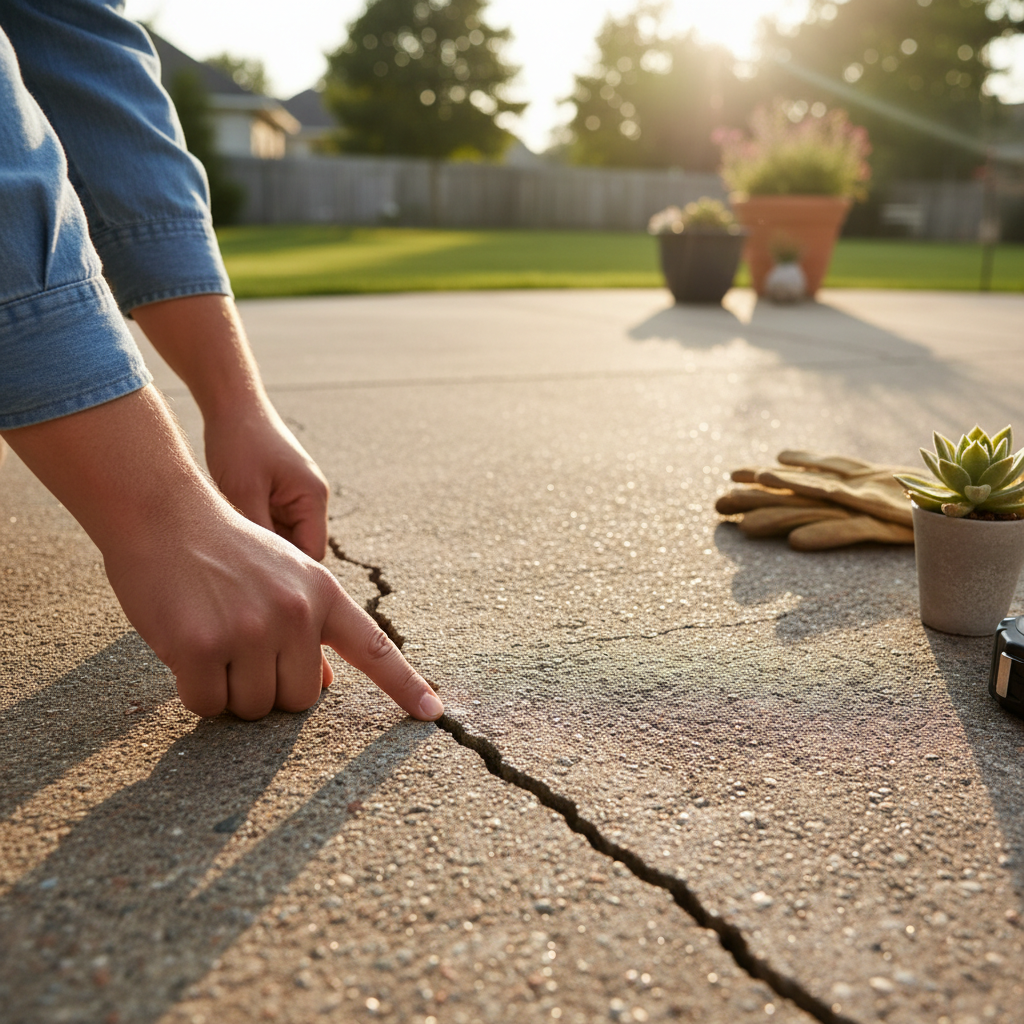
That first crack in your pristine concrete driveway or patio can be disheartening. It starts as a faint line, but soon you're wondering: Is this a simple cosmetic flaw, or the first sign of a much bigger, more expensive problem? Welcome to one of the most common homeowner dilemmas.
Concrete is incredibly durable, but it's not invincible. Sooner or later, cracks appear. The key is understanding what the cracks are telling you. Some are harmless, while others signal deep-seated issues that a simple patch won't solve. Making the wrong choice can mean wasting money on a temporary fix or, conversely, paying for a full replacement when a less invasive repair would have sufficed.
This guide will walk you through how to assess the damage, understand your repair options—from patching to full replacement—and know what to look for when hiring a professional concrete contractor. This way, you can make an informed decision that protects your home's value and your wallet.
Why Concrete Cracks in the First Place
Before you can choose a fix, it helps to understand why concrete cracks. It's not always a sign of poor workmanship (though it can be). Most cracks are the result of natural forces and the properties of concrete itself.
Shrinkage During Curing: As new concrete cures and dries, it shrinks. This is a completely normal process. Contractors cut straight lines, called control joints, into fresh concrete to encourage it to crack in these predictable, neat lines rather than randomly across the surface. Sometimes, however, random shrinkage cracks still form.
Ground Settlement: The ground underneath your concrete slab is not static. Soil can compact and settle over time, especially if it wasn't properly compacted before the concrete was poured. When the ground shifts unevenly, it creates voids, and the unsupported concrete slab can crack under its own weight.
Freeze-Thaw Cycles: This is a major culprit in colder climates. Water seeps into the porous surface of the concrete and into tiny cracks. When temperatures drop, that water freezes and expands, exerting immense force that widens the cracks and can cause pieces of the surface to pop off (a problem called spalling).
Overloading: Your residential driveway is likely designed to handle standard cars and light trucks. Parking a heavy vehicle like a loaded moving truck, a dumpster, or construction equipment on it can stress the slab beyond its limit, causing cracks.
Invasive Tree Roots: A beautiful, mature tree is a great asset, but its roots can be a powerful enemy to your hardscaping. As roots grow, they can lift and crack concrete slabs from below.
Understanding the likely cause of your crack is the first step a good pro will take. It helps determine whether you're dealing with a surface-level issue or a foundational problem.
Assessing the Damage: What to Look For
Time to play detective. Grab a tape measure and a coin, and take a close look at your concrete. The type, size, and location of the cracks will tell you a lot about the severity of the problem. A professional will do a thorough diagnosis, but you can get a good preliminary idea on your own.
Hairline Cracks (Cosmetic Issues)
Hairline cracks are very thin, usually less than 1/8 inch wide. You might see a web of them on the surface, a condition known as "crazing." These are typically surface-level and don't penetrate the full depth of the slab. They are often caused by the concrete drying too quickly during installation.
- What this means for you: These are usually not a structural concern. While they can be an eyesore and may allow water to seep in over time, they don't typically signal that your slab is failing. This is a prime candidate for a simple patch or a full resurfacing if the cracks are widespread.
Wider, Deeper Cracks (Structural Concerns)
If you can slide a quarter into the crack, it's moving beyond a simple hairline issue. A key red flag is a "differential settlement" crack, where one side of the crack is higher or lower than the other. Run your hand across it; if you feel a lip, it's a sign the ground underneath has shifted and the slabs are no longer level. These are often called "trip hazards" for good reason.
- What this means for you: This is a structural problem. The foundation or sub-base beneath your concrete has moved. Simply filling the crack will not solve the underlying issue; the crack will likely reappear, and the slabs may continue to shift. This situation requires a more robust solution than a simple patch.
Spalling, Pitting, and Crazing (Surface Damage)
Spalling is when the top surface of the concrete flakes or peels away, leaving behind rough, pockmarked patches. Pitting is the presence of small holes in the surface. Crazing is a network of fine, random cracks. This is often caused by a poor finishing job, water pooling on the surface, or the use of de-icing salts during winter, which chemically attack the concrete.
- What this means for you: As long as the underlying slab is solid (not cracked all the way through), this is a surface-level problem. The slab itself is likely structurally sound, but the top layer is failing. It looks bad and will only get worse, but it doesn't necessarily mean you need to tear everything out. This is the classic scenario where resurfacing is an excellent option.
Heaving and Sinking (The Big Problems)
This is the most serious issue. Heaving is when a section of your concrete slab is pushed upward, often due to frost heave or expansive clay soils. Sinking occurs when the soil base erodes or compacts, causing a section of the slab to drop. You'll see this as dramatic slopes, major trip hazards, or water pooling in new low spots.
- What this means for you: Your slab's sub-base has failed. This is a major structural issue that surface treatments cannot fix. In most cases of severe heaving or sinking, a full replacement is the only permanent solution. However, for sunken slabs that are otherwise intact, a process called slabjacking might be a viable alternative.
The Fixes: Patching, Resurfacing, and Replacement Explained
Once you've assessed the situation, you can evaluate the three main repair strategies. A good contractor will explain these options and recommend the one that best fits your specific problem and budget.
Option 1: Patching (The Quick Fix)
Patching is the process of filling individual cracks or small chipped areas with a concrete repair compound. For small hairline cracks, a flexible concrete caulk might be used. For wider cracks, a cement-based patching mortar is more appropriate.
- Best For: Isolated, non-structural hairline cracks or small chips.
- Pros: The least expensive and fastest professional repair. Can be a DIY project for homeowners comfortable with the work. Prevents water from getting into small cracks and making them bigger.
- Cons: Purely a cosmetic, temporary fix for a symptom, not the cause. The patch color rarely matches the existing concrete perfectly, so the repair will be visible. It will not work on structural or shifting cracks.
- Hiring Tip: For a single, small crack, this is a minor repair. Many larger concrete companies may have a minimum service charge, so it might be best to bundle this with other handyman tasks or try a DIY kit from a hardware store.
Option 2: Resurfacing (The Fresh Start)
Concrete resurfacing involves applying a thin, new layer of a polymer-modified cement overlay over the entire existing concrete surface. The process starts with thoroughly cleaning and preparing the old surface, filling any major cracks, and then squeegeeing or troweling on the new layer. This creates a brand-new, uniform surface.
- Best For: Structurally sound concrete that has widespread surface damage like pitting, spalling, discoloration, or numerous hairline cracks.
- Pros: Dramatically improves curb appeal for a fraction of the cost of replacement. Creates a uniform, brand-new look. You can even add colors and stamped patterns for a decorative finish. It seals small cracks and protects the underlying slab.
- Cons: It is only a viable solution if the original slab is stable. If you have deep, structural cracks or sinking slabs, resurfacing will just cover up the problem, and the new surface will crack again.
- Hiring Tip: Ask the contractor what kind of surface preparation they do. Proper prep—including pressure washing and grinding—is critical for the new layer to bond correctly. A cheap job that skips prep will peel and fail quickly.
Option 3: Replacement (The Total Overhaul)
Replacement is exactly what it sounds like: demolishing and hauling away the old concrete, re-grading and compacting the sub-base, setting up forms, and pouring a brand-new slab.
- Best For: Concrete with deep, structural cracks, significant heaving or sinking, or is crumbling and deteriorating throughout (often from a bad initial pour).
- Pros: It's the only way to fix a failed sub-base, which is the root cause of the most serious problems. You get a brand-new slab with a very long lifespan. You can also re-route drainage or change the shape of the patio or driveway.
- Cons: By far the most expensive, disruptive, and time-consuming option. The demolition process can be loud and messy. In some municipalities, replacing a driveway apron (the part that meets the street) may require a permit.
- Hiring Tip: A quote for replacement should clearly separate the costs for demolition, sub-base preparation, materials (specifying concrete strength, or PSI), and labor. This is a major project; get at least three detailed quotes from experienced, insured contractors.
Cost Comparison: Budgeting for Concrete Repair
Costs can vary significantly based on your location, the scale of the job, and ease of access to the site. However, here are some typical price ranges to help you budget. Always get a written quote from a local pro for an accurate price.
- Patching: For professional work, expect to pay $200-$500 for a service call to fix a few small cracks. DIY kits can cost $20-$50.
- Resurfacing: This is typically priced per square foot. Expect to pay $3–$7 per square foot for a basic overlay. Decorative options like stamping or staining can increase the cost to $8–$15 per square foot or more.
- Slabjacking (see below): Lifting a sunken slab generally costs $500–$2,500 depending on the size of the area and the amount it needs to be lifted.
- Replacement: This is also priced per square foot and is the most expensive option. Budget for $8–$18 per square foot. The price includes demolition of the old slab and proper sub-base prep, which accounts for a large portion of the cost.
The "Fourth" Option: Slabjacking for Sunken Concrete
Before you commit to a full replacement for a sunken slab, ask your contractor about slabjacking (also known as concrete lifting or leveling). This innovative technique can save a sinking slab without tearing it out.
The process involves drilling small holes through the sunken slab and pumping a material underneath it under pressure. This material fills the void in the sub-base and hydraulically lifts the slab back to its original position. There are two main types:
- Mudjacking: Uses a slurry of cement, soil, and water. It's the traditional, more affordable method.
- Polyurethane Foam Jacking: Uses a high-density structural foam that expands to lift the concrete. The holes are smaller, the material is much lighter (putting less stress on the sub-base), and it cures in minutes instead of hours. It is typically more expensive than mudjacking.
Slabjacking is an excellent, cost-effective solution for sunken but otherwise intact patios, sidewalks, and garage floors. It’s usually about half the cost of a full replacement.
Hiring a Pro: Finding the Right Concrete Contractor
Choosing the right contractor is just as important as choosing the right repair method. A good pro will be your partner in diagnosing the problem correctly and executing a lasting fix.
Here’s what to look for and what to ask:
- Verify Licensing and Insurance: The contractor should have both general liability insurance and worker's compensation. Ask for proof. This protects you from any liability if a worker gets injured or your property is damaged.
- Look for Specialization: A general handyman can do a small patch job. For resurfacing, slabjacking, or replacement, you want a contractor who specializes in concrete work. Ask to see a portfolio of similar projects.
- Get Detailed, Written Quotes: Don't accept a verbal estimate. A professional quote should be a written document detailing the scope of work, materials to be used (e.g., concrete strength in PSI, type of resurfacing overlay), labor costs, demolition, site prep, and a payment schedule.
- Ask About Their Diagnosis: A great contractor won't just give you a price. They will walk the site with you, explain why your concrete is cracking, and justify their recommended solution. Be wary of anyone who pushes for the most expensive option without a clear explanation.
- Discuss the Sub-Base: For a replacement job, the most critical question is, "How will you prepare the sub-base?" A proper job involves removing the old material, adding and compacting several inches of new gravel or crushed stone to create a stable foundation. Skimping on the base is the #1 reason new concrete fails prematurely.
Dealing with cracked concrete can be a process, but by identifying the type of damage and understanding your options, you can work with a qualified pro to choose the most effective and economical solution for your home.
Frequently asked questions
Can I just fill a big, deep crack in my driveway myself?+
You can, but it's likely a temporary fix. If the crack is wide or one side is higher than the other, it indicates a problem with the ground underneath. Filling the crack won't stop the slab from continuing to move, and the crack will almost certainly return.
How long does a concrete resurfacing last?+
When done correctly with proper surface preparation, a quality concrete resurfacing can last 8-15 years. The lifespan depends on the quality of the overlay product used, the condition of the underlying slab, and exposure to traffic and weather.
Do I need a permit to replace my driveway?+
It depends on your local municipality. While replacing a patio might not require one, replacing a driveway often does, especially the apron section that connects to the public street. A professional contractor will know the local codes and can handle the permitting process for you.
Why is one side of the crack higher than the other?+
This is a major red flag called differential settlement. It means the ground under your concrete has shifted, causing one section of the slab to sink or heave. This is a structural problem that a simple patch cannot solve and often requires slabjacking or full replacement.
Is slabjacking always better than replacing a sunken slab?+
Not always. Slabjacking is a great option if the concrete slab itself is still in good condition (not crumbling or full of major cracks). If the slab is severely damaged and deteriorating, lifting it will only be a temporary solution; replacement would be the better long-term investment.