
Fence Installation Guide: Materials, Costs & Hiring a Pro
Planning a new fence? This guide covers the pros and cons of wood, vinyl, and aluminum, breaks down installation costs, and explains how to hire a qualified contractor.
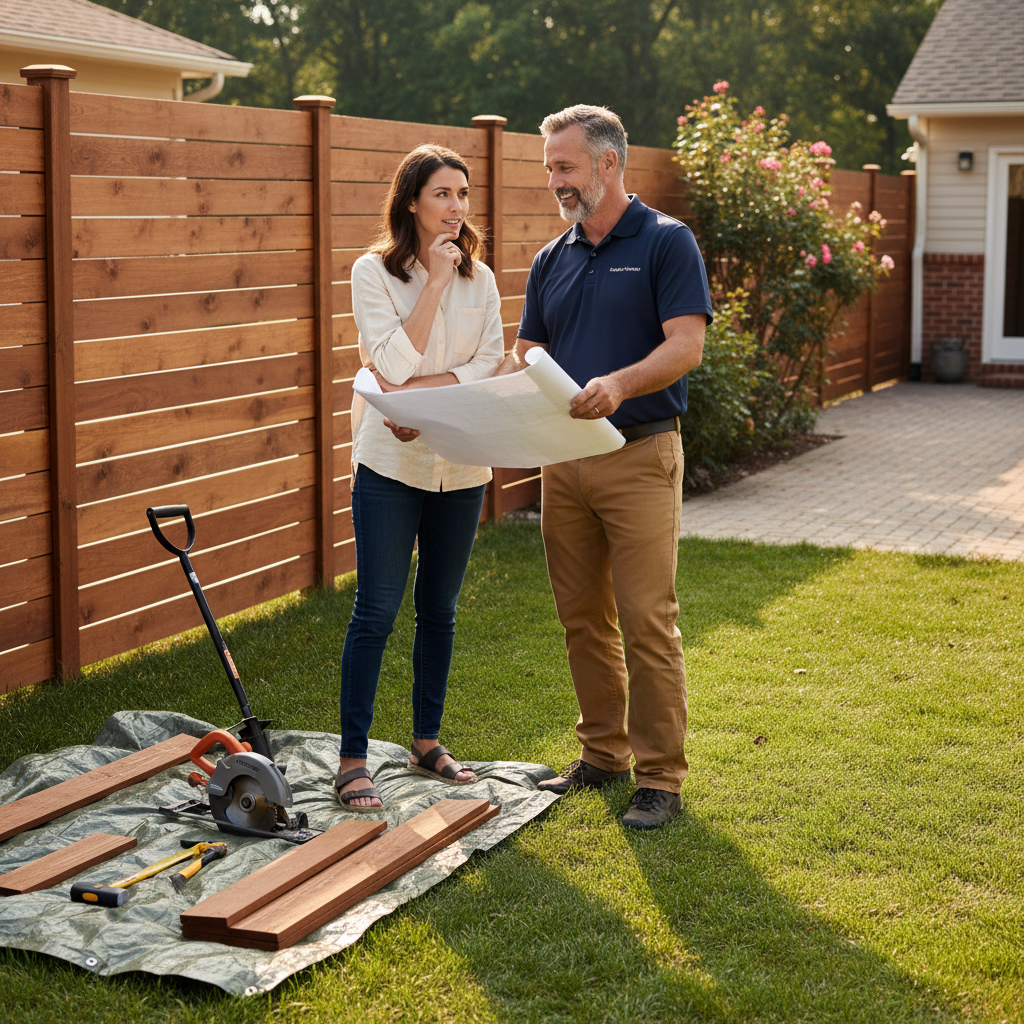
A new fence is a major upgrade to your property. It can provide privacy, boost curb appeal, keep kids and pets safe, and clearly mark your property lines. But it's also a significant investment, with a lot of moving parts—from choosing the right material to navigating local permits and hiring a reliable pro.
This guide will walk you through the entire process. We'll break down the pros and cons of different materials, detail the real-world costs, and give you a checklist for finding and hiring a contractor you can trust. The goal is to equip you with the knowledge to make a smart, confident decision for your home.
Why Install a Fence? Defining Your Goals
Before you get quotes or fall in love with a particular style, take a moment to define why you need a fence. Your primary goal will steer every other decision, especially material and height. A fence designed for privacy looks very different from one designed to keep a small dog in the yard.
Here are the most common reasons homeowners install a fence:
- Privacy: This is a top priority for many, especially in suburbs where houses are close together. A solid, tall fence (typically 6 feet) made of wood, vinyl, or composite is ideal for creating a private backyard oasis.
- Security: A sturdy fence can be a deterrent to intruders and provide peace of mind. While no fence is impenetrable, taller, more robust options with locking gates add a significant layer of security.
- Pet & Child Containment: If keeping your furry friends or little ones safely in the yard is the goal, you need a fence they can't easily climb over, dig under, or squeeze through. The height and spacing of pickets or mesh are critical.
- Curb Appeal: A fence can be a beautiful architectural element that frames your home and garden. Decorative aluminum, classic white picket, or a handsome cedar fence can dramatically improve your home's exterior look.
- Property Line Definition: A simple fence is the clearest way to mark the boundaries of your property. This can prevent disputes with neighbors and accidental encroachment.
- Pool Safety: In most places, building codes legally require a fence of a specific height (often 4-5 feet) with a self-closing, self-latching gate around a swimming pool to prevent accidental drowning.
What this means for you: Be clear about your top one or two priorities. If you tell a contractor, "I need a fence primarily for privacy, but I also want it to look good and be low-maintenance," they can immediately narrow down the options to vinyl or composite privacy styles, saving you time and confusion.
Common Fence Materials: A Homeowner's Guide
Choosing a material is the biggest decision you'll make. It impacts cost, appearance, durability, and the amount of maintenance you'll be doing for years to come. Let's break down the most popular choices.
Wood Fencing
Wood is the timeless, traditional choice. It offers a natural, warm look that can be customized with different stains and paint colors. The most common types are pressure-treated pine (more affordable) and cedar or redwood (more naturally resistant to rot and insects).
- Pros: Classic aesthetic, highly customizable, often the most affordable upfront cost, environmentally friendly if sourced responsibly.
- Cons: Requires regular maintenance (staining or sealing every 2-4 years) to prevent rot, warping, and insect damage. Lifespan is shorter than other materials.
- Best for: Homeowners who love the classic look, want to customize the color, and are either on a tighter initial budget or don't mind periodic upkeep.
- Homeowner takeaway: If you choose wood, factor in the long-term cost and effort of maintenance. A pro should install pressure-treated posts set in concrete for maximum longevity.
Vinyl (PVC) Fencing
Vinyl fencing is a popular low-maintenance alternative to wood. It's made from PVC plastic and comes in a variety of styles, from privacy and picket to ranch rail. It typically comes in white or tan, though other colors are becoming more available.
- Pros: Extremely low maintenance (just needs occasional washing), will not rot, warp, or splinter, and never needs painting. Long lifespan.
- Cons: Higher initial cost than wood. Can become brittle and crack in extreme cold or upon heavy impact. Limited color palette. Some people dislike the "plastic" look.
- Best for: Homeowners who want a "set it and forget it" fence and are willing to pay more upfront to avoid future maintenance.
- Homeowner takeaway: When getting quotes for vinyl, ask about the thickness of the material and the UV inhibitors used. A quality vinyl fence from a reputable manufacturer will resist fading and yellowing far better than a cheap, thin product.
Composite Fencing
Composite fencing is a high-end product made from a mix of wood fibers and plastic polymers. It's designed to mimic the look of wood without the maintenance headaches.
- Pros: The rich look of wood with the durability of vinyl. Won't rot, splinter, or warp. Eco-friendly, as it's often made from recycled materials. Very durable and long-lasting.
- Cons: This is typically the most expensive fencing material. The color selection is more limited than wood, and it can be very heavy, which may increase labor costs.
- Best for: Those who want the absolute best of both worlds—wood's aesthetic and vinyl's durability—and have the budget for a premium product.
- Homeowner takeaway: Composite is a long-term investment. It costs a lot upfront but should last for decades with almost no upkeep, potentially saving you money over the life of your home compared to replacing or constantly maintaining a wood fence.
Aluminum Fencing
Often mistaken for wrought iron, aluminum fencing provides an elegant, open look. It's most commonly used for pool enclosures and to define property lines where total privacy isn't the goal.
- Pros: Virtually maintenance-free; it will not rust. Very durable and lightweight. Offers a clean, upscale appearance. Excellent for security and pool safety.
- Cons: Does not provide privacy. Can be more expensive than wood or vinyl. While strong, it can be dented by a significant impact (like a falling tree limb).
- Best for: Securing a pool, defining a property boundary with a sophisticated look, or for homes in historic districts with style requirements.
- Homeowner takeaway: Ask your contractor about the powder coating on the aluminum. A quality powder coat finish is what protects the fence and gives it its color, and a thicker, well-applied coat will resist chipping and fading for much longer.
Breaking Down Fence Installation Costs
Fence pricing is almost always quoted "per linear foot," which includes both materials and labor. The total cost of your project will depend on the material you choose, the total length of the fence, the terrain of your yard, and any add-ons like gates.
Here are some typical all-in cost ranges to help you budget. Keep in mind that prices vary significantly by region and the specific contractor.
Cost by Material (per Linear Foot, Installed)
- Chain-Link: $15 – $30
- Wood (Pressure-Treated Pine): $20 – $45
- Wood (Cedar): $30 – $55
- Vinyl (PVC): $30 – $60
- Aluminum (Picket Style): $40 – $75+
- Composite: $45 – $80+
So, for 150 linear feet of a standard 6-foot privacy fence, you could expect to pay:
- Wood (Pine): $3,000 – $6,750
- Vinyl: $4,500 – $9,000
- Composite: $6,750 – $12,000+
Other Major Cost Factors
- Labor: Labor typically accounts for 40-50% of the total project cost. A simple, flat yard is easier and cheaper than a heavily sloped or rocky one, which requires more labor.
- Gates: Every gate is an additional cost. A simple walk-through gate might add $300–$600, while a wide driveway gate could cost $1,500 or more, especially if it includes an automatic opener.
- Old Fence Removal: If you have an old fence that needs to be torn down and hauled away, expect to pay an extra $3 to $7 per linear foot for this service.
- Fence Height & Style: A 6-foot privacy fence will cost more than a 4-foot picket fence of the same material because it uses more material and may require more robust posts.
- Permit Fees: The cost of the permit itself is usually minor ($50–$200), but the work required to produce the necessary drawings can be factored into your contractor's price.
The Permit Puzzle: Navigating Local Rules
This is where homeowners often get into trouble. You can't just build a fence wherever you want. Nearly every city, town, and county has rules (called ordinances) governing fence installation. On top of that, if you live in a community with a Homeowners Association (HOA), you'll have a second set of rules to follow.
Ignoring these rules can lead to fines and, in a worst-case scenario, a legal order to tear your new fence down.
Here are the key things to investigate before a single post hole is dug:
- Permit Requirement: Most new fence installations require a permit from your local building department. A reputable contractor will insist on this and should handle the application process for you.
- Height Restrictions: There are almost always limits on fence height. A common rule is a maximum of 4 feet in the front yard and 6 or 8 feet in the side and back yards.
- Setbacks: This is a crucial one. A setback is the required distance between your fence and your property line, the sidewalk, or the street. You might have to build your fence 6 inches or more inside your property line.
- Material and Style Restrictions: Some neighborhoods, especially historic districts or those with HOAs, may restrict the types of materials you can use or even the color you can paint your fence.
- The "Good Side" Rule: Many municipalities have an ordinance stating that the finished side of the fence (the "good side") must face your neighbors and the public. The posts and rails (the "bad side") must face your yard.
Homeowner Gotcha: A major red flag is a contractor who tells you a permit isn't necessary or asks you to pull the permit yourself under your name. A licensed contractor should always pull the permit under their own name. This makes them legally responsible for ensuring the work meets code, protecting you from liability.
Hiring a Fence Contractor: What to Look For
Finding the right pro is just as important as choosing the right material. A great installation will last for decades, while a poor one will cause headaches for years.
Get Multiple, Detailed Bids
Don't just go with the first person you call. Aim to get at least three written estimates from different companies. A legitimate bid should be a detailed document, not just a number on the back of a business card. It should specify:
- The exact material, style, and height of the fence.
- The total linear footage.
- The number, size, and type of gates.
- How the posts will be set (depth and whether concrete is used).
- Details on cleanup and debris removal.
- A clear payment schedule.
- An estimated start and completion date.
Verify License and Insurance
This is non-negotiable. Your contractor must have two key types of insurance:
- General Liability: This covers damage to your property or your neighbor's property during the job.
- Worker's Compensation: This covers injuries to the contractor or their employees while on your property. Without it, you could be held liable if someone gets hurt.
Ask for a copy of their Certificate of Insurance (COI) and check that their license is active with your state's licensing board.
Ask About Their Process
- Property Lines: How do they handle unmarked property lines? A professional will recommend you get a property survey if there's any uncertainty. They should not just guess.
- Setting Posts: Fence posts should be set in concrete for stability and longevity, especially for fences 6 feet or taller. Ask about the depth they dig the holes—it should be below the frost line for your area to prevent heaving.
- Warranty: What kind of warranty do they offer on their labor? What is the manufacturer's warranty on the materials? A one-year labor warranty is a common minimum.
Your Fence is Installed. Now What?
Once the work is done, but before you make the final payment, do a thorough walk-through with your contractor.
The Final Walk-Through Checklist
- Gates: Do all gates open and close smoothly? Do the latches align and lock properly?
- Posts: Are the posts plumb (vertically straight)? Sight down the fence line—it should be straight, not wavy.
- Sections: Are the fence panels secure to the posts? Are there any loose boards or pickets?
- Height & Spacing: Is the height consistent? Is the space at the bottom of the fence consistent with what you discussed?
- Cleanup: Has all old fence material, dirt, and construction debris been removed from your property?
Long-Term Maintenance
- Wood Fences: If you installed pressure-treated wood, wait several months for it to dry out completely before applying a stain or sealant. Plan to clean and re-seal or re-stain your wood fence every 2-4 years to protect it from the elements.
- Vinyl and Aluminum Fences: These are very low-maintenance. A simple wash with a hose and maybe some mild soap and a soft brush once a year is usually all that's needed to remove dirt and mildew.
By taking the time to plan your project, choose the right material for your goals, and hire a vetted professional, you can ensure your new fence is a lasting, valuable, and beautiful addition to your home.
Frequently asked questions
How long does a typical fence installation take?+
For an average-sized residential yard (150-200 linear feet), a professional crew can typically complete the installation in 2-4 days. Day 1 is often for setting the posts in concrete, which then needs at least a day to cure before the panels or pickets can be installed.
Do I need a property survey before installing a fence?+
If you are not 100% certain where your property lines are, then yes, getting a survey is highly recommended. A professional contractor will advise this as well. The cost of a survey is minor compared to the cost and legal trouble of having to move a fence that was accidentally built on your neighbor's property.
Should my contractor use concrete for the fence posts?+
Yes, for almost all permanent wood, vinyl, or metal fences, every post should be set in concrete. This provides critical stability and prevents the posts from leaning or shifting over time. The only exception might be for some temporary or agricultural fencing.
Who is responsible if the new fence is accidentally built on my neighbor's property?+
Ultimately, the homeowner is responsible for ensuring the fence is on their own property. This is why getting a survey is so important if you're unsure. While a contractor may make a mistake, resolving the dispute (and paying to move the fence) will fall on you, which is why starting with clearly marked lines is key.
What's the best time of year to install a fence?+
You can install a fence any time the ground isn't frozen solid. Spring and fall are often the busiest seasons for contractors, so you may find better pricing or availability in the early summer or winter. Planning your project for the off-season can sometimes work to your advantage.