
The Truth About 'Free' Contractor Estimates
That "free estimate" might not be as free as you think. Learn how contractor estimates really work, what hidden costs to watch for, and when you should actually pay for a detailed proposal.
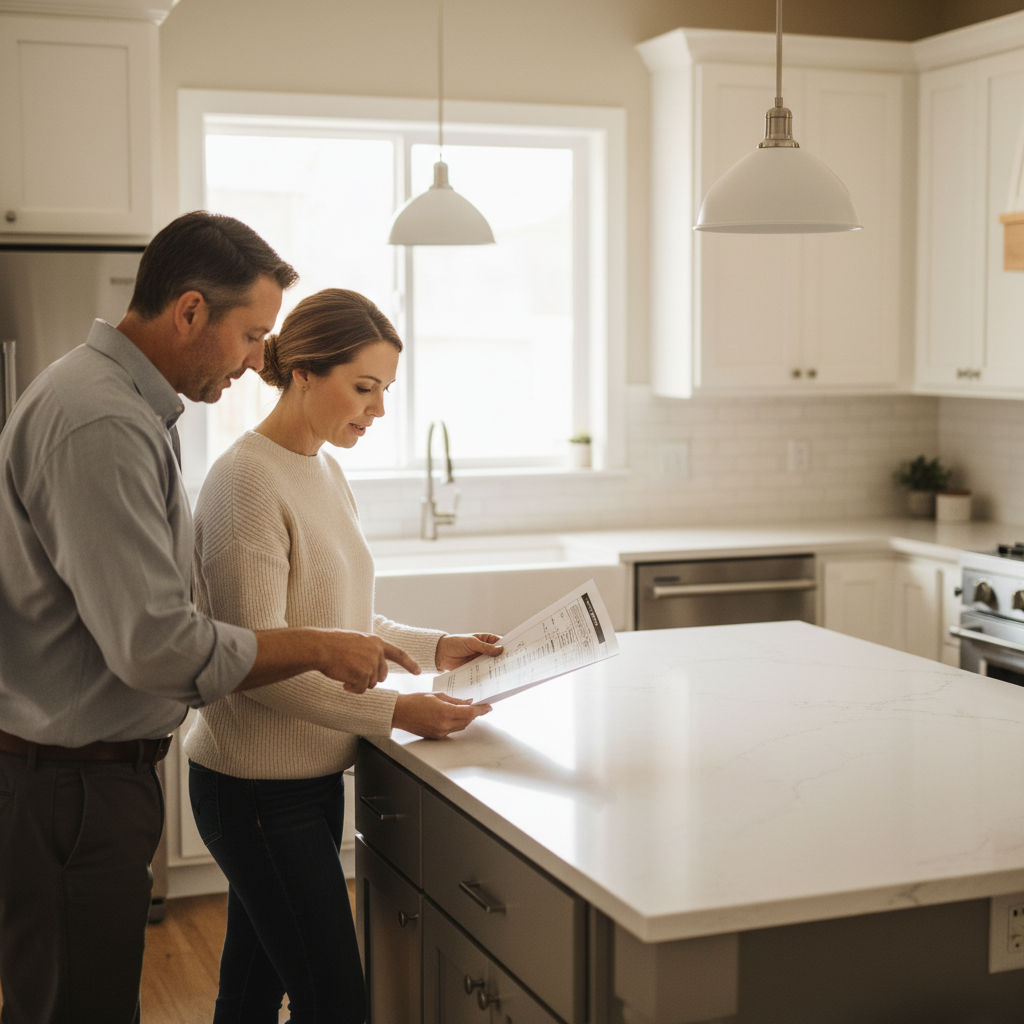
Why That Free Estimate Isn't Really Free
It’s one of the most common phrases in the home services world: "Free Estimate!" You see it on vans, websites, and ads. For a homeowner planning a project, it sounds like the perfect, no-risk first step. But the reality is a little more complicated.
While you may not write a check for it, a "free estimate" is never truly without cost. That cost might be baked into the final project price, reflected in a lack of detail that leads to expensive surprises later, or it might simply be the cost of your time spent in a high-pressure sales pitch.
Understanding how the estimate process really works from the contractor's side is the key to becoming a smarter consumer. It helps you spot the difference between a genuinely helpful, professional assessment and a sales tactic disguised as a service. This guide will walk you through what's happening behind the scenes, the dangers of a rushed estimate, and when paying for a detailed plan is one of the smartest investments you can make in your project.
The Business Reality of a 'Free' Estimate
First, let's put ourselves in a contractor's steel-toed boots. Generating an estimate isn't as simple as glancing at a room and naming a price. A good estimate requires:
- Time: The drive to your home, the time spent discussing your project, measuring spaces, inspecting existing conditions, and the office time required to calculate material costs and labor hours.
- Fuel and Vehicle Costs: Every trip out to a potential customer's home adds to a business's overhead.
- Expertise: You're not just paying for time; you're borrowing the contractor's years of experience to diagnose potential issues, suggest solutions, and accurately price the work.
A professional contractor might spend anywhere from two to eight hours creating a detailed proposal for a moderately complex project like a bathroom remodel. If they do this for three or four potential clients just to land one job, the cost of that unbilled time has to be recovered somewhere.
How do they do it? The cost of providing all those "free" estimates is a customer acquisition cost, just like advertising. It's factored into the company's overhead and gets built into the pricing for the jobs they do win. In essence, paying customers are subsidizing the time spent on estimates for homeowners who don't hire them. An established company with a high closing rate can keep this baked-in cost low, while a less efficient one may need to pad their prices more to cover their time.
What This Means For You
Knowing this isn't about feeling sorry for the contractor; it's about understanding the transaction. A pro who offers a free estimate is making a calculated business decision. A serious, well-prepared homeowner who is ready to hire makes that calculation easier. A homeowner who is just "kicking tires" and collecting a dozen bids with no real intent to hire contributes to the overhead that makes projects more expensive for everyone.
The Dangers of a Rushed or Vague 'Free' Estimate
A quick, back-of-the-napkin estimate might feel efficient, but it's often a precursor to major headaches. The biggest risk in any home improvement project is not a high price, but an unclear scope of work. Vague estimates are where misunderstandings, disputes, and budget overruns are born.
Here are the most common dangers to watch for:
"Guesstimates" Disguised as Estimates
A true estimate requires measurement and inspection. If a contractor spends five minutes looking at your kitchen and says, "Yeah, probably around $40,000 to redo this," they haven't given you an estimate. They've given you a ballpark guess, or a "guesstimate." This number is not based on a detailed materials list, a labor analysis, or an assessment of your home's specific plumbing and electrical systems. It's a recipe for surprise costs down the line.
Overlooking Hidden Problems
A thorough contractor will look for signs of trouble. When estimating a new tile floor in a bathroom, they should be checking for soft spots that could indicate subfloor rot. When quoting an exterior paint job, they should be probing trim for wood decay. A rushed, free estimate often skips this diligence. The contractor either doesn't want to spend the unpaid time on discovery or assumes a best-case scenario. When the rotted subfloor is inevitably discovered after demolition has begun, it comes in the form of a costly and stressful change order.
High-Pressure Sales Tactics
Sometimes the offer of a "free estimate" is less about providing a quote and more about getting a salesperson in your home. This is especially common with large national companies in sectors like window replacement, roofing, and bath liners. Be wary of any meeting that feels more like a sales pitch than a collaborative project discussion. Red flags include:
- The "Only Good Today" Price: A classic pressure tactic. A reputable contractor's price should be valid for a reasonable period, typically 30 to 90 days, to give you time to review it properly.
- An Overemphasis on Financing: If the conversation is more about monthly payments than materials and installation methods, you're in a sales pitch.
- Reluctance to Provide a Detailed, Written Proposal: If they're hesitant to put the full scope of work, material specs, and price in writing for you to keep and review, walk away.
- Long, Drawn-Out Appointments: A tactic designed to wear you down until you agree to anything just to get them to leave.
When You Should Expect to Pay for an Estimate
If "free" can be so problematic, when should you open your wallet? Paying for a professional's time and expertise upfront is often a sign that you're dealing with a serious, in-demand company. It shifts the dynamic from a sales pitch to a professional consultation.
Expect to pay a fee in these common scenarios:
1. Detailed Diagnostic Work
If you have a problem with an unknown cause, you don't need an estimate—you need a diagnosis. This is a service call, not a sales opportunity.
- Example: Your circuit breaker keeps tripping. An electrician can't give you a free estimate to fix it over the phone. They need to come to your house, use their diagnostic tools and expertise to trace the circuit, identify the fault, and determine the cause. This diagnostic time is billable, typically as a flat service fee or an hourly rate. Once the problem is found, then they can provide a firm quote for the repair.
- Example: You have a mysterious water stain on your ceiling. A plumber or roofer needs to investigate to find the source of the leak. This isn't a simple quote; it's investigative work.
2. Complex Design and Planning Services
For large-scale projects, the "estimate" is actually a comprehensive design and planning phase. This is common for architectural work, kitchen and bath remodels, additions, and extensive landscape projects.
- Example: For a full kitchen remodel, a design-build firm might charge a fee of $500 to $2,500 for a Design Agreement. This fee covers multiple meetings, detailed measurements, creating 3D renderings of the new layout, helping you select cabinetry, countertops, and fixtures, and producing a highly detailed scope of work and budget. This isn't just an estimate; it's a complete project blueprint.
The massive advantage here is that you often own this detailed plan. You can use this comprehensive document to get truly apples-to-apples bids from other builders, ensuring everyone is pricing the exact same project.
3. Estimates for Formal Documentation
If you need a detailed estimate for an insurance claim or as part of a real estate transaction, it's reasonable for a contractor to charge a fee. This work requires creating a formal document that the contractor is putting their name and professional reputation on. It takes administrative time and carries a degree of liability.
Estimate vs. Quote vs. Proposal: Know the Difference
Homeowners often use these terms interchangeably, but they can have different meanings for a contractor. Understanding the distinction helps you know what you're getting.
Estimate: A rough approximation of cost, usually given when the scope of work is not yet fully defined. It is not a binding offer and is subject to change. Think of it as a budgetary starting point. Example: "A roof for a house this size is estimated to be between $12,000 and $18,000, depending on the materials you choose and the condition of the underlying decking."
Quote (or Bid): A firm, fixed price for a very specific scope of work. A quote should be legally binding, meaning the contractor agrees to do that exact work for that exact price. This is what you want for most well-defined projects. Example: "We will remove the existing asphalt shingles, replace up to two sheets of plywood decking, install GAF Timberline HDZ shingles in Charcoal, and all associated flashing and underlayment for a fixed price of $14,500."
Proposal: The gold standard. A good proposal is a comprehensive document that includes a firm quote, but also provides much more detail. It should outline the full scope of work, a list of materials and brands, the projected timeline, the payment schedule, information on warranties, and the company's proof of license and insurance. This is the document that forms the basis of a solid contract.
When you ask for a "free estimate," what you should be aiming for is a free proposal. A one-line price on a business card is not enough.
How to Get a Valuable Estimate (Free or Paid)
Whether you're getting a free quote for a straightforward job or paying for a detailed design, your goal is the same: to get a clear, comprehensive plan that protects you from surprises. Here’s how to manage the process effectively.
1. Do Your Homework First
The more prepared you are, the more accurate your estimate will be. Before you even call a contractor, try to define your project as clearly as possible. Create a wish list, gather inspiration photos, and think about your budget. The contractor is an expert in construction, but you are the expert on how you live in your home.
2. Ask the Right Questions During the Visit
Don't just let the contractor walk around by themselves. Walk with them, explain what you want, and ask clarifying questions. This is your chance to vet their professionalism and expertise.
- "Can you provide a line-item breakdown so I can see where the money is going?"
- "What exactly is included in this price, and what is excluded? (e.g., permits, trash removal, painting)"
- "How do you handle unforeseen problems, like finding rot or old wiring? What does your change order process look like?"
- "What is your proposed timeline, and what are the major milestones?"
- "Can you provide a copy of your state license and certificates of general liability and workers' compensation insurance?"
- "What specific brands or models of materials will you be using?"
3. Always Get It in Writing
A verbal quote is not a quote. Insist on a written proposal that details the scope, price, and terms. Email is fine, but a handshake deal for anything more than a minor repair is a mistake. The written proposal is your single most important tool for preventing disputes.
4. Compare Apples to Apples
When you get 2-3 proposals, don't just look at the bottom-line price. Lay them out side-by-side and compare the scope of work. One contractor might be cheaper because they're using lower-quality materials, skipping a crucial preparation step, or aren't including the cost of a permit. The most detailed, professional proposal often comes from the most organized and reliable contractor—even if they aren't the absolute cheapest.
The Bottom Line: Think 'Value,' Not 'Free'
A free estimate is a marketing tool. It can be a perfectly fine way to start the conversation for a straightforward project like painting a room or replacing a water heater. But for anything complex, custom, or involving unknown factors, shift your thinking from getting something for "free" to paying for "value."
Investing a few hundred dollars in a detailed diagnostic or a comprehensive design agreement can save you thousands in change orders and headaches. It ensures your project starts on a foundation of clarity and mutual understanding. A contractor who is confident in their value will have no problem being paid for their time and expertise. And by showing you're a serious customer who values their professionalism, you're more likely to get their best work.
Frequently asked questions
Is it a red flag if a contractor wants to charge for an estimate?+
Not necessarily. For complex projects requiring design work or for diagnostic service calls, it's often a sign of professionalism. For a simple, well-defined job, it's less common, so it's fair to ask why they charge a fee.
How many estimates should I get for my project?+
For most projects, aiming for three written proposals is ideal. This gives you enough information to compare pricing and scope without overwhelming you with too many options. More than five is usually unnecessary.
What if one estimate is way cheaper than the others?+
A significantly lower bid is a major red flag. It could mean they've missed a key part of the scope, are using inferior materials, are uninsured, or are simply unqualified. Ask for a detailed, line-item breakdown to understand exactly why their price is so different.
If I pay a contractor for a detailed design, can I use it to get bids from other companies?+
In most cases, yes. When you pay for a design agreement or a detailed scope of work, that document is your property. It's actually the best tool you can have for getting true apples-to-apples comparisons from other contractors.
How useful is a 'ballpark' price over the phone?+
A ballpark figure can be helpful for initial, very rough budgeting on standard jobs (like a water heater replacement). However, it is not a real estimate and should never be the basis for a hiring decision. Always insist on an in-person inspection and a detailed, written proposal.