
Don't Hire a Roofer Until You Ask These 5 Questions
Hiring a roofer is a major decision. Asking the right questions about licensing, insurance, bids, warranties, and project management can save you from costly mistakes.
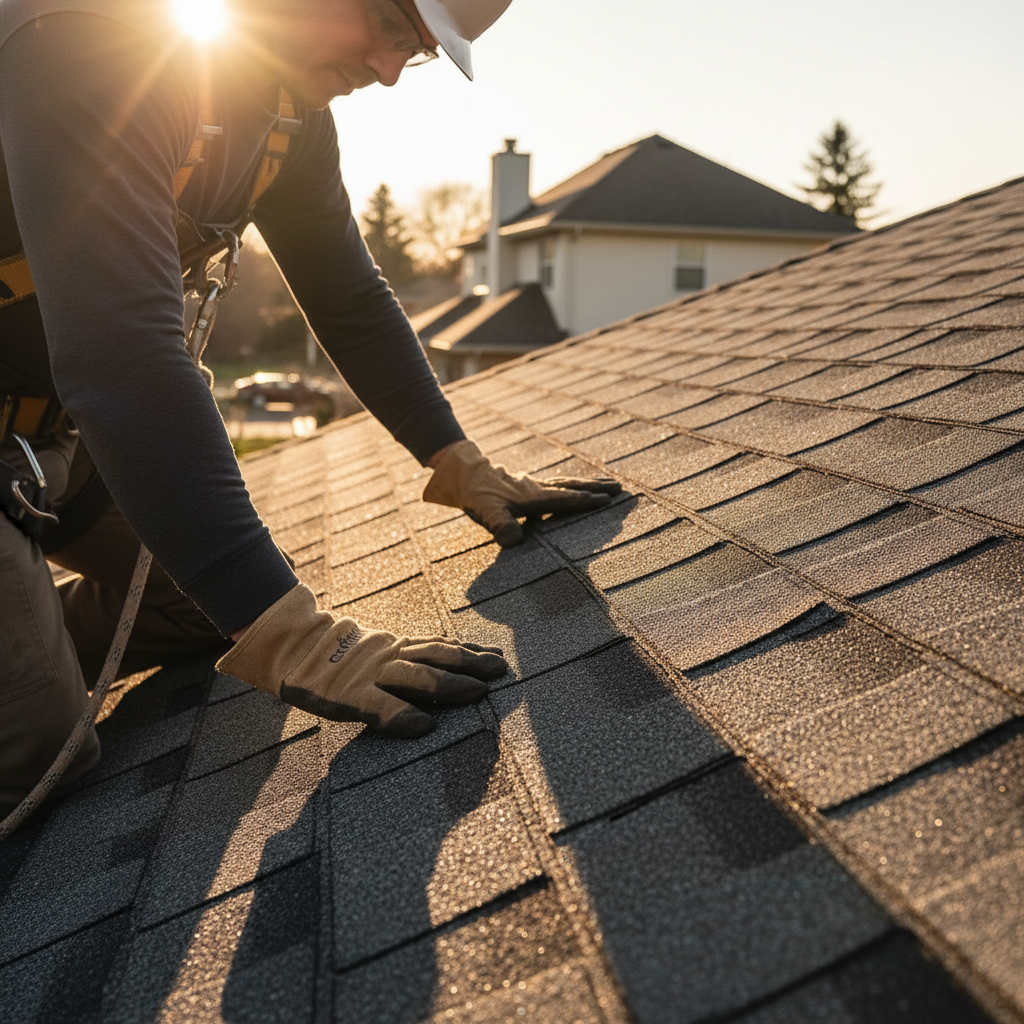
Replacing your roof is one of the biggest and most important investments you'll make in your home. It's your first line of defense against the elements, and a failure can lead to catastrophic damage inside your house. With a typical roof replacement costing anywhere from $8,000 to $20,000 or more, the stakes are incredibly high.
Unfortunately, the roofing industry has its share of unqualified or unscrupulous contractors. Choosing the wrong one can lead to shoddy work, surprise bills, property damage, or even legal trouble. The single best tool you have to protect yourself is knowledge. By asking a few key questions upfront, you can vet potential roofers, understand what you're paying for, and ensure you're hiring a true professional who will do the job right.
Think of these questions as your hiring checklist. The answers a contractor provides will tell you everything you need to know about their professionalism, experience, and reliability.
1. Are You Licensed and Insured?
This is the first and most important question you should ask. If the answer is anything but an immediate and confident "Yes," you should end the conversation. A professional roofer will not only have this documentation but will be happy to provide proof. Let's break down what each part means for you.
Why Licensing Matters
A contractor's license is issued by a state or local government agency and proves that the roofer has met a minimum standard of knowledge, competency, and business legitimacy. Licensing requirements vary significantly across the United States—some states have strict testing and experience requirements, while others have none at all.
- What it means for you: A license provides a baseline level of consumer protection. It shows the contractor is a legitimate business, not just a person with a truck and a ladder. Licensed contractors are also accountable to the licensing board, giving you an avenue for recourse if something goes wrong. Always ask for the license number and verify it with your state or local licensing board's website. Be wary of a contractor who says, "You don't need a permit, so I don't need a license."
The Two Types of Insurance You Must See
Insurance is even more critical than licensing because it protects you, the homeowner, from financial disaster. A legitimate roofing company will carry two specific types of insurance.
General Liability Insurance: This covers damage to your property caused by the contractor or their crew. If a ladder falls and smashes your living room window, a truck backs into your garage door, or a bundle of shingles slides off the roof and crushes your prize-winning rose bushes, their general liability policy pays for the repairs. Without it, you could be left footing the bill or suing the contractor to recover damages.
Worker's Compensation Insurance: This is non-negotiable. Roofing is a dangerous job. Worker's comp covers medical bills and lost wages for any of the roofer's employees who get injured while working on your property. If your roofer does not have this coverage and a worker falls from your roof, you could be considered the employer and held liable for their medical expenses and more. This can lead to personal lawsuits and devastating financial consequences.
Don't just take their word for it. Ask for a copy of their insurance certificates and check that the policy numbers are valid and the coverage hasn't expired. A professional will have these ready to email you.
2. Can You Provide a Detailed, Itemized Bid?
After you've established that a roofer is licensed and insured, the next step is to understand exactly what you're paying for. A vague, one-line estimate like "New Roof: $14,500" is a major red flag. It leaves too much room for misunderstanding, corner-cutting, and surprise charges.
A professional bid (or proposal) is a detailed document that outlines every facet of the project. It serves as the foundation for your contract and ensures both you and the contractor are on the same page. Comparing detailed bids is the only way to make a true apples-to-apples comparison between different companies.
What a Good Bid Includes
Your roofer's proposal should be a multi-page document that breaks down the project into specific line items. Look for these key components:
- Scope of Work: A clear description of all labor, including a full tear-off of the old roofing material down to the wood decking.
- Material Specifications: The exact brand, type, and color of all materials to be used (e.g., "Owens Corning Duration Architectural Shingles in Onyx Black"). This includes shingles, underlayment, ice and water shield, flashing, and ventilation products.
- Decking Replacement: A contingency plan for rotted wood. Since the condition of the underlying roof deck can't be known until the old shingles are removed, the bid should state the cost per sheet of plywood or OSB that may need to be replaced.
- Flashing: Specific mention of replacing all flashing, which are the metal pieces that seal transitions around chimneys, vents, and walls. Reusing old flashing is a common corner-cutting tactic that leads to leaks.
- Ventilation: Details on the plan for attic ventilation (e.g., ridge vents, soffit vents), which is critical for the longevity of your roof and your home's energy efficiency.
- Permit Fees: The cost of pulling the required local building permit should be included.
- Waste Disposal: The cost and plan for a dumpster and the removal of all debris.
- Timeline: An estimated start and completion date.
- Payment Schedule: Clear terms for when payments are due (a large down payment before materials are delivered is a red flag).
What this means for you: A detailed bid is a sign of a thorough and transparent contractor. It protects you from bait-and-switch tactics and ensures there are no hidden costs. If a roofer is hesitant to provide this level of detail, it's a sign they may be planning to cut corners.
3. Who Will Be On-Site, and How Do You Handle Project Management?
A roofing project is more than just materials; it's a complex logistical operation happening at your home. You need to know who will be there, who is in charge, and who your point of contact is.
Some roofing companies use their own dedicated, in-house crews. Others rely on subcontractors. While using subs isn't automatically a bad thing (many are excellent craftsmen), it's something the company should be transparent about. You'll want to know if the subcontractors are covered by the primary contractor's insurance policies.
More importantly, you need to know who is managing the job day-to-day. Will there be a dedicated project manager or site foreman on your property for the duration of the project? This person is your go-to for any questions or concerns that arise. Without a clear point person on-site, communication can break down, leading to confusion and mistakes.
What this means for you: Knowing who is responsible for the crew and the quality of the work gives you peace of mind. A dedicated project manager ensures the job follows the plan laid out in the bid and that any issues are addressed immediately, rather than after the crew has already packed up and left.
4. How Do You Handle Unforeseen Issues and Protect My Property?
Even with the best planning, surprises can happen during a major renovation. A roofer's true professionalism is often revealed by how they plan for and handle the unexpected.
Dealing with Surprises
The most common surprise in roofing is discovering rotten or damaged roof decking after the old shingles are torn off. A pro-level roofer will have already discussed this possibility with you and included a clear, per-sheet price for replacement decking in their contract. Their process should be to stop work, document the damage (often with photos), and get your approval before proceeding with the extra work and cost. This prevents a shocking surprise on your final bill.
Protecting Your Home and Yard
A roof replacement is a messy, heavy-duty construction project. Ask potential roofers what specific steps they take to protect the rest of your property.
- How will they protect your siding, windows, and landscaping (e.g., with tarps or plywood shields)?
- What about sensitive items like A/C units, pools, or decks?
- What is their cleanup process? A good crew will use tarps to catch debris and perform a thorough cleanup each day, including using magnetic rollers to pick up stray nails from your lawn and driveway.
What this means for you: This question separates the meticulous pros from the rest. A contractor who has thoughtful answers shows they respect your property and have a system in place to leave your home as clean as they found it. This foresight prevents costly collateral damage and ensures a professional experience from start to finish.
5. What Warranties Do You Offer on Workmanship and Materials?
A new roof should last for decades, and a warranty is your long-term protection for that investment. It's crucial to understand that there are two distinct types of warranties, and they cover different things.
Material Warranty
This warranty comes directly from the manufacturer of the shingles (e.g., GAF, Owens Corning, CertainTeed). It covers defects in the roofing materials themselves. For example, if the shingles fail prematurely due to a manufacturing flaw. These warranties can range from 20 years to "limited lifetime," but they often have prorated coverage that decreases over time. The fine print is important, as improper installation can void the manufacturer's warranty.
Workmanship Warranty
This is the warranty the roofing contractor provides. It covers errors in installation and labor. This is arguably the more important of the two, as the vast majority of new roof failures are due to improper installation, not defective shingles. A workmanship warranty guarantees that if a leak occurs because a flashing was installed incorrectly or shingles weren't nailed properly, the roofer will come back and fix it at their own expense.
A typical workmanship warranty from a reputable roofer might last anywhere from 2 to 10 years, with 5 years being a common standard. Some elite, manufacturer-certified contractors may offer longer or even lifetime workmanship warranties. Be very skeptical of a roofer offering an unusually long warranty if they are a new or small company—the warranty is only as good as the company that stands behind it.
What this means for you: A strong workmanship warranty is a sign of a roofer's confidence in their own work. It's your primary protection against leaks and installation-related problems for years to come. Make sure the warranty details are written clearly in your contract.
Putting It All Together: Hiring with Confidence
Getting a new roof is a significant undertaking, but it doesn't have to be a stressful one. By arming yourself with these five questions, you can cut through the sales pitches and evaluate contractors on what truly matters: their legitimacy, transparency, process, and commitment to quality.
Always plan to get at least three detailed bids from well-vetted, local roofers. When you compare them, don't just look at the bottom-line price. Compare the scope of work, the quality of materials specified, the warranties offered, and your confidence in the contractor's answers to these questions.
The cheapest bid is rarely the best value. Paying a little more for a roofer who is properly insured, provides a detailed plan, communicates clearly, and offers a strong workmanship warranty is an investment in your home's protection and your own peace of mind.
Frequently asked questions
How much does a new roof cost?+
For an average-sized home in the U.S., a new asphalt shingle roof typically costs between $8,000 and $20,000. The final price depends on the size and steepness of your roof, the specific materials you choose, your geographic location, and whether significant repairs to the underlying decking are needed.
How long does a roof replacement take?+
For a typical residential home, a full roof replacement can usually be completed in 1 to 3 days. However, factors like bad weather, the complexity of the roof, or the discovery of extensive wood rot can extend the timeline.
Can I put new shingles over my old ones?+
While it's sometimes possible to install a new layer of shingles over a single existing layer (a "recover"), a full tear-off is almost always the better choice. A tear-off allows the roofer to inspect the wood decking for rot or damage and ensures a flat, secure surface for the new roof, leading to a longer lifespan.
What's the best time of year to replace a roof?+
Late spring and fall are often considered ideal for roof replacement due to moderate temperatures that help shingles seal correctly without becoming too brittle or soft. However, a good roofer can work year-round, scheduling projects around extreme weather. Booking in the off-season (winter) may sometimes offer better availability.
What's the difference between 3-tab and architectural shingles?+
3-tab shingles are the more basic, affordable option, appearing as flat, single-layer strips. Architectural (or dimensional) shingles are thicker, consist of multiple laminated layers, and create a varied, textured look. They are more durable, have a longer lifespan, and offer better wind resistance, making them the more popular choice today.