
7 Telltale Signs Your HVAC System Is About to Fail
Don't wait for a mid-summer breakdown. Learn the key warning signs of a failing HVAC system, from strange noises to rising bills, and know when to call a pro.
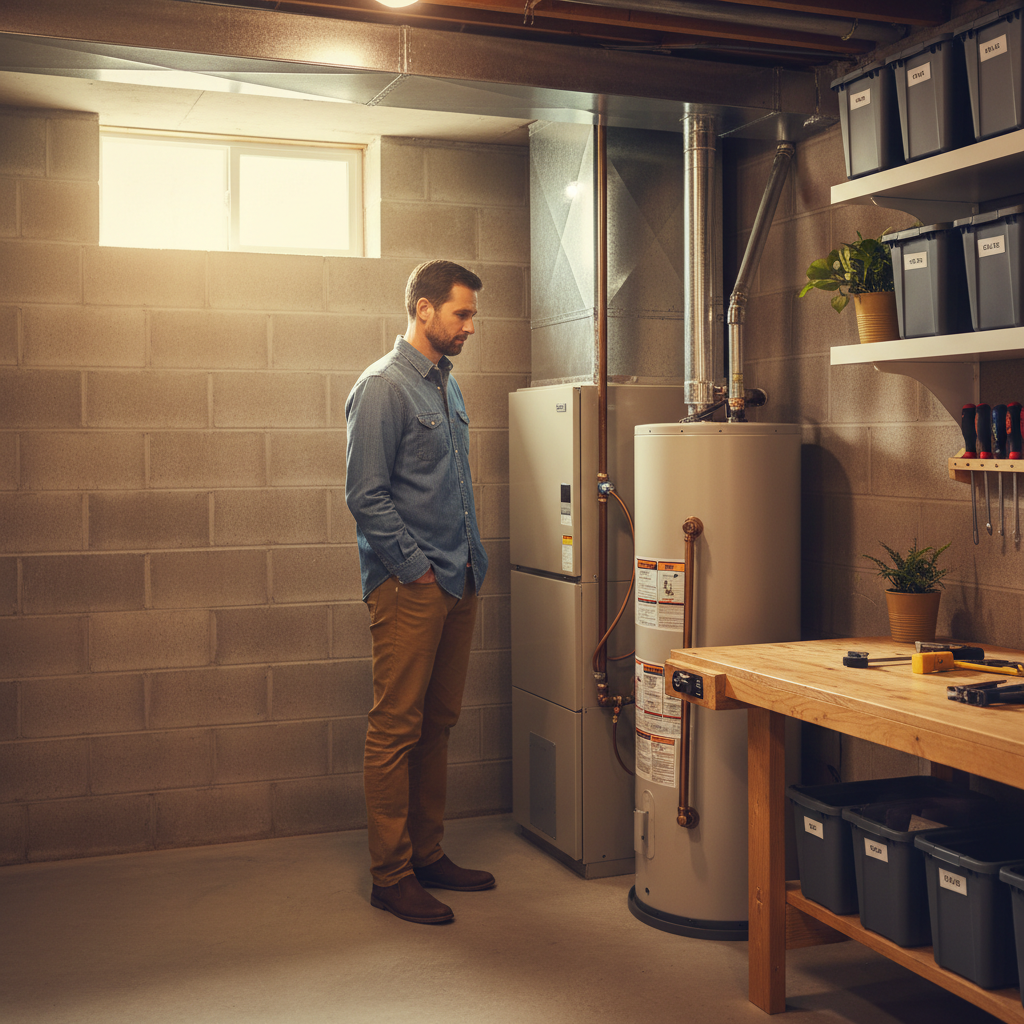
Your home's heating, ventilation, and air conditioning (HVAC) system is the unsung hero of your daily comfort. It works tirelessly behind the scenes to keep you warm in the winter and cool in the summer. But because it's mostly out of sight, it’s easy to ignore—until it fails. A sudden breakdown on the hottest day of summer or during a polar vortex isn't just an inconvenience; it's an emergency that can be stressful and expensive.
The good news is that most HVAC systems don't die without warning. They send out subtle (and sometimes not-so-subtle) clues that they're in decline. Learning to recognize these signs can help you move from a reactive panic to a proactive plan. This guide will walk you through the seven key indicators that your HVAC system is on its last legs, what they mean, and what you should do about it before you're left in the cold (or heat).
1. Your HVAC System’s Age Is More Than Just a Number
Like any major appliance, your HVAC system has a finite lifespan. While diligent maintenance can extend its life, age is the single most reliable predictor of failure. If you don't know how old your system is, look for a manufacturer's label on the side of the indoor air handler (furnace) and the outdoor condenser unit. It should have a manufacturing date.
Here are the typical lifespans you can expect:
- Central Air Conditioners: 12–15 years
- Gas Furnaces: 15–20 years
- Heat Pumps: 10–15 years (they work year-round, so they wear out faster)
If your system is approaching or has surpassed these milestones, it's living on borrowed time. Older systems are not only less reliable but also significantly less efficient. An AC unit from 15 years ago might have a SEER (Seasonal Energy Efficiency Ratio) rating of 10, while today's minimum standard is 14 or higher in many parts of the U.S. Think of SEER like miles-per-gallon for your car—a higher number means lower energy use and smaller utility bills.
Furthermore, if your AC unit was installed before 2010, it likely uses R-22 refrigerant (Freon), which has been phased out due to environmental concerns. As of 2020, R-22 can no longer be produced or imported in the U.S. This means if your older system springs a refrigerant leak, a simple "recharge" will be extremely expensive, if a technician can even get the refrigerant at all.
What This Means for You
If your system is in the senior age bracket, start planning for a replacement now. Don't wait for it to break down. Researching systems and getting quotes from qualified HVAC contractors without the pressure of a broken unit gives you time to make a smart, unhurried decision. You can secure better pricing in the off-season (spring or fall) and won't be forced to accept the first available option during a heatwave.
2. Your Energy Bills Are Steadily Climbing
Have you noticed your monthly electricity or gas bills creeping up, even though your habits haven't changed? Don't just blame the utility company. An unexplained rise in energy consumption is a classic symptom of a dying HVAC system.
As components like the blower motor, compressor, and coils age, they lose efficiency. The system has to run longer and work harder to achieve the temperature you've set on your thermostat. A dirty coil, a slowly leaking refrigerant line, or a worn-out motor can all force the system into overdrive, sending your energy bills soaring. That 15% increase in your summer electric bill could be your old air conditioner screaming for help.
Before you panic, rule out other causes. Did your utility provider raise its rates? Has the weather been unusually extreme? If not, the culprit is likely your HVAC system.
What This Means for You
Start tracking your energy usage month-over-month and year-over-year. If you see a consistent upward trend, it's time to call a professional for an inspection and tune-up. A technician can perform a diagnostic check to measure the system's efficiency and pinpoint the problem. It might be a repairable issue, but it's often an early warning that the entire system is becoming a money pit and replacement is on the horizon.
3. Strange Noises and Unusual Smells Are Red Flags
Your HVAC system should operate with a gentle, consistent hum. When it starts making new and alarming sounds, it's time to pay attention. The same goes for any strange odors coming from your vents. These sensory clues are direct messages about the health of your system.
What’s That Noise? A Guide to HVAC Sounds
Different sounds point to different problems. Here are some of the most common ones to listen for:
- Banging or Clanking: This usually indicates a loose or broken part, such as a connecting rod, piston pin, or crankshaft inside the compressor. It could also be an unbalanced blower fan.
- Squealing or Screeching: A high-pitched squeal often points to a problem with a belt or motor bearings. It’s the mechanical equivalent of a scream and signals extreme strain.
- Grinding: This is a serious one. A grinding sound means parts are rubbing against each other, possibly due to a failing motor or worn-out bearings. If you hear this, shut your system off immediately to prevent catastrophic damage and call a pro.
- Rattling: A rattling noise could be as simple as loose debris in the outdoor unit or loose screws on the casing. However, it can also signal the deterioration of electrical components or the motor.
- Constant Clicking: While a click when the system starts or stops is normal, persistent clicking can indicate a failing thermostat, a defective control, or an electrical problem.
Unpleasant Odors Coming From Your Vents
- Musty or Moldy: A dirty-sock smell points to mold or mildew growth in your system, likely on the evaporator coil or in the ductwork. This is a sign of excess moisture and can be a serious air quality concern.
- Burning or Acrid: A smell like burning plastic or rubber could signal an electrical failure or an overheating motor. If you notice this, turn the system off at the breaker and call for emergency service.
- Rotten Eggs / Sulfur: This smell is a major red flag for a natural gas leak from or near your furnace. If you smell this, do not turn any lights on or off. Leave your home immediately, and then call your gas utility's emergency line from a safe distance.
What This Means for You
Do not ignore these warnings. A noise or smell is a direct symptom of a problem that will only get worse. Contact a licensed HVAC technician to diagnose the issue. They can tell you if it’s a simple, inexpensive fix or a sign that a critical component—or the entire unit—is about to fail.
4. The System Runs Constantly or Short-Cycles
Pay attention to your system's run times. Under normal conditions, your HVAC system should run in cycles to maintain the desired temperature. Two major deviations from this pattern are cause for concern:
Running Constantly: If your AC or furnace runs nonstop without ever reaching the set temperature, it can no longer keep up with your home's heating or cooling demand. This could be due to a failing compressor, low refrigerant levels, or simply a system that's too old and inefficient to do its job.
Short-Cycling: This is when the system turns on and off frequently, running for just a few minutes at a time. It's not only incredibly inefficient but also puts immense wear and tear on the compressor and other components. Short-cycling can be caused by a clogged air filter, a refrigerant leak, or a system that's oversized for your home.
What This Means for You
Either of these issues is a clear signal that your system is struggling. It's wasting energy, driving up your bills, and accelerating its own demise. While you should first check for and replace a dirty air filter, if the problem persists, you need a professional diagnosis. A technician can determine if it’s an airflow issue, a refrigerant problem, or a sign of terminal decline.
5. You’re Noticing Poor Airflow and Uneven Temperatures
Are some rooms in your house uncomfortably hot while others are freezing? Do you have to hold your hand right up to a vent to feel any air coming out? These are signs of a system that can no longer effectively distribute conditioned air.
Weak airflow is often caused by a failing blower motor in your furnace or air handler. The blower is the powerful fan that pushes air through your ductwork. As its motor weakens, its ability to move air diminishes, leading to those hot and cold spots.
Another potential culprit is your ductwork. Over time, ducts can develop leaks, become disconnected, or even be crushed in attics and crawlspaces. A significant leak means a large portion of your expensive heated or cooled air is escaping before it ever reaches your rooms. While this isn't a failure of the main unit itself, it has the same effect: poor comfort and high energy bills.
What This Means for You
First, always check the easy stuff: make sure your air filter is clean and that all your vents are open and unobstructed. If that doesn't solve the problem, it's time to call in an expert. An HVAC pro can measure the airflow from your vents and use specialized tools to check for duct leakage or a failing blower motor. They can determine if the problem lies with your unit or the delivery system connected to it.
6. Frequent Breakdowns Are Draining Your Wallet
One repair on an eight-year-old system is one thing. But if you and your HVAC technician are on a first-name basis, it's a sign that your system is nickel-and-diming you into oblivion.
Consider this rule of thumb used by many pros: The 50% Rule. If the cost of a repair is 50% or more of the cost of a brand-new system, it's almost always a better financial decision to replace it. Pouring $1,500 into a 15-year-old air conditioner that might only last one more season is a poor investment. That money is better used as a down payment on a new, reliable, and efficient system that comes with a 10-year warranty.
Think about the cumulative cost. A $400 repair last winter for the furnace ignitor, a $600 repair this summer for a fan motor, and now a quote for $1,200 for a new compressor coil—you're already over $2,000 into a failing system. This is a classic case of throwing good money after bad.
What This Means for You
Keep a log of your HVAC repairs and their costs. When a technician quotes you a major repair, don't just ask about the immediate fix. Ask for a quote to replace the entire unit or system. A reputable contractor will provide you with both options and help you weigh the short-term cost of the repair against the long-term value, energy savings, and peace of mind of a replacement.
7. Your Home Has New Humidity or Dust Problems
Part of your HVAC system's job is to manage your home's environment. This includes filtering particulates and, in the case of your air conditioner, removing humidity from the air.
If you suddenly notice that your home feels muggy and damp in the summer, it's a sign your AC is no longer dehumidifying effectively. This can happen when a system is failing and can't complete a full cooling cycle. Likewise, an excessive amount of dust accumulating on surfaces shortly after cleaning can indicate that your system and its filter are no longer capable of capturing airborne debris, or that you have leaky return ducts pulling dusty air from your attic or crawlspace.
While a standalone dehumidifier or a better air filter can help, these are often just band-aids for a much larger problem. Poor indoor air quality and improper humidity levels can not only damage your home (promoting mold growth) but also aggravate allergies and respiratory issues.
What This Means for You
Pay attention to your home's overall air quality. If it feels sticky, dusty, or stuffy, it's a sign your HVAC system isn't performing its secondary duties. When you have a technician out, mention these issues. They can assess whether the problem is due to a failing system, leaky ducts, or if your home could benefit from an add-on like a whole-home dehumidifier or an upgraded air filtration system as part of a larger replacement project.
Frequently asked questions
How long should an HVAC system really last?+
It varies by type and maintenance. A central air conditioner typically lasts 12–15 years, while a gas furnace can last 15–20 years. Heat pumps, which work year-round, usually have a lifespan of 10–15 years. Regular professional maintenance is the best way to maximize this lifespan.
Is it better to repair or replace my old HVAC system?+
A good rule of thumb is the "50% Rule." If a repair costs 50% or more of the value of a new system, replacement is usually the wiser financial choice. Also, if your system is over 12-15 years old and needs a major repair, the money is often better spent on a new, more efficient unit with a warranty.
What does a typical HVAC replacement cost?+
A full HVAC system replacement is a major investment, typically ranging from $8,000 to $20,000 or more. The final cost depends on the size of your home, the efficiency rating (SEER) of the new units, your location, and the complexity of the installation. Always get at least three quotes from licensed contractors.
Can I just replace the outside AC unit and keep my old furnace?+
While technically possible, it's often not recommended. Modern AC units are designed to work with a matching indoor air handler or furnace to achieve their stated efficiency ratings. Mismatched systems can lead to poor performance, reduced efficiency, and premature failure of both components.
How often do I really need to get my HVAC system serviced?+
You should have your system professionally serviced once a year. Ideally, have the air conditioning checked in the spring before the cooling season and the heating system checked in the fall before winter. This preventative maintenance catches small problems before they become catastrophic failures.