
How Much Does Interior Painting Really Cost? A Homeowner's Guide
Thinking of refreshing your home with new paint? Our guide breaks down professional painting costs, from square footage rates to the hidden factors in an estimate.
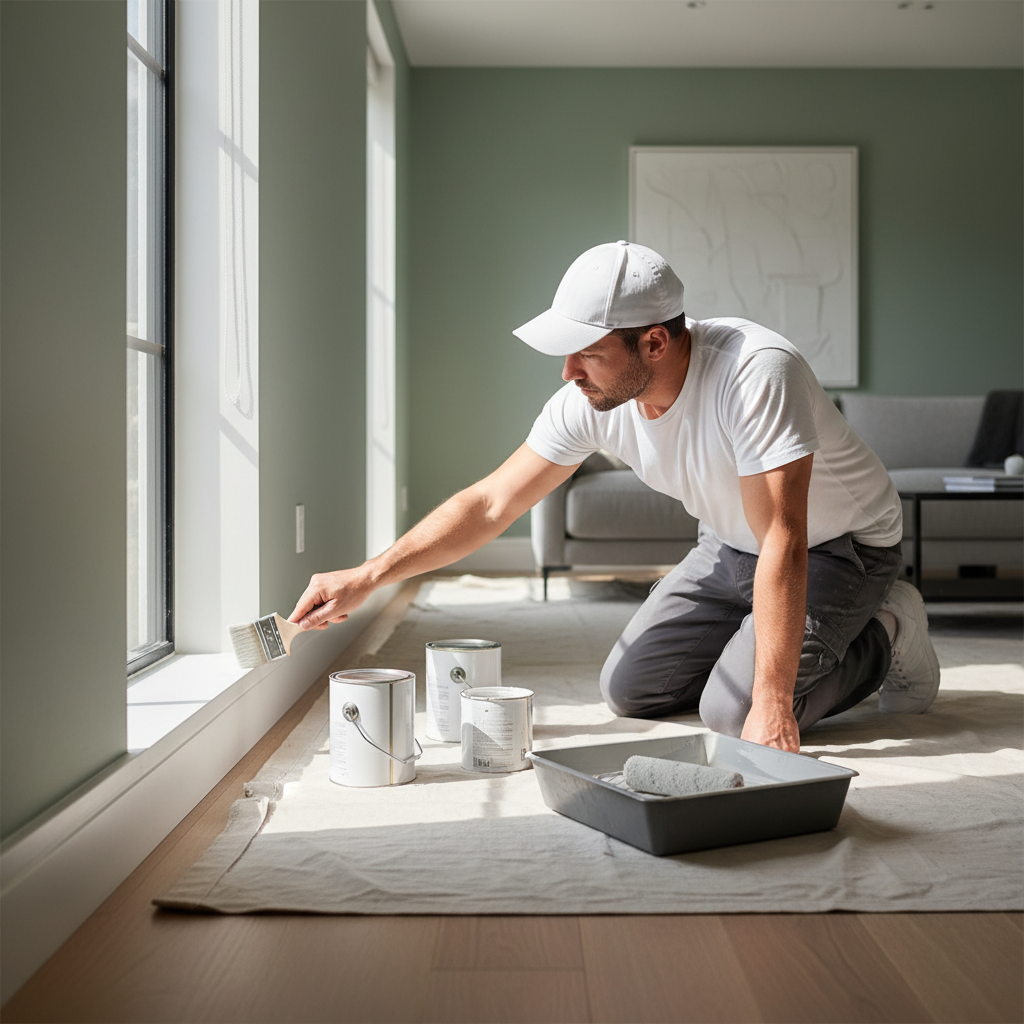
A fresh coat of paint is one of the fastest and most effective ways to completely transform a room. It can make a space feel bigger, brighter, cleaner, and more modern. But as you start planning, the big question looms: How much is this actually going to cost?
The answer, frustratingly, is "it depends." Unlike buying a product off a shelf, hiring a painter is buying a service. The final price tag is a blend of labor, materials, and the specific conditions of your home. A painter isn't just selling you a color on the wall; they're selling you their time, expertise, and a finished product that should look great for years.
This guide will demystify interior painting costs. We'll break down how painters create their estimates, what factors can send your price up or down, and how to intelligently compare quotes so you can hire with confidence.
The Big Picture: Common Pricing Models
When you ask for a painting estimate, the pro will likely use one of a few common methods to arrive at their initial number. Understanding these models helps you see what's behind the price.
Per Square Foot (of Floor Space): This is the simplest but least precise method. A painter might say they charge, for example, $2 to $6 per square foot of floor area for a basic job. For a 2,000 sq. ft. home, you're looking at a rough ballpark of $4,000–$12,000. This method is most often used for a quick, high-level estimate for an entire house. Its major weakness is that it doesn't account for wall height, the complexity of trim, or the condition of the surfaces.
Per Square Foot (of Wall Space): A more accurate method involves calculating the total surface area of the walls to be painted. A pro will measure the perimeter of each room, multiply by the ceiling height, and then subtract the area of windows and doors. This gives them a precise number to apply their rate to. While it's more work upfront, it leads to a more tailored and fair price.
Per Room: For smaller projects, like painting a single bedroom or dining room, many contractors will quote a flat rate per room. A standard 12' x 12' bedroom with 8-foot ceilings might cost $400 to $900 for the walls alone. This price is an educated guess based on the painter's experience of how long a typical room of that size takes.
Per Hour/Day: Some painters, especially for very small jobs or complex repair work, will charge an hourly or daily rate. Expect to see hourly rates ranging from $50 to $100 per painter. This is common for things like repairing a single damaged wall or removing stubborn wallpaper, where the time required is unpredictable.
What this means for you: When you get a bid, ask how the contractor arrived at the price. A price based on wall square footage is generally more thorough than one based on floor space. A flat-rate-per-room quote is fine, but you'll want to make sure the written estimate clearly details what that flat rate includes (walls, ceiling, trim, closets, etc.).
What's Really in an Estimate? A Line-by-Line Breakdown
A professional painting estimate is more than just a single number. It should break down the two main components of the cost: labor and materials. In almost every case, labor is the far bigger piece of the pie.
Labor: The Biggest Cost Driver (70-85% of Total)
When you see a $5,000 estimate, you're not paying for $5,000 worth of paint. You're paying for the skill, time, and physical work of a professional crew. A cheap job almost always means corners were cut on labor, especially on the prep work that makes or breaks the final result.
Professional labor includes a long list of tasks:
- Setup: Moving all furniture to the center of the room (or out of it entirely) and covering it with plastic.
- Protection: Masking off all floors, baseboards, window frames, outlets, and light switches with tape, paper, and drop cloths. This is a time-consuming but critical step.
- Surface Preparation: This is the most important part of the job. It involves scraping any loose or flaking paint, filling nail holes and small dings with spackle, sanding those patches smooth, and sometimes more extensive drywall repairs.
- Caulking: Applying a fresh bead of caulk to gaps between trim, baseboards, and walls for a clean, seamless look.
- Priming: Applying a coat of primer to cover dark colors, new drywall, stains, or glossy surfaces. This ensures the new paint adheres well and the color is true.
- Painting: Applying one or, more commonly, two finish coats of paint with professional techniques to avoid streaks, drips, and roller marks.
- Cleanup: Removing all masking materials, cleaning the work area, and moving furniture back into place.
What this means for you: A low bid that doesn't explicitly mention thorough prep work is a major red flag. Your paint job is only as good as the surface underneath it. Without proper prep, you'll see imperfections, and the paint may start to fail in just a year or two.
Materials: More Than Just Paint (15-30% of Total)
While a smaller portion of the cost, materials still matter. The quality of the paint and supplies directly impacts the look and durability of the finished job.
Paint: There's a huge difference between a $25/gallon contractor-grade paint and an $80/gallon premium paint. High-quality paints (from brands like Sherwin-Williams or Benjamin Moore) have better pigments for richer color, superior binders for durability and washability, and are easier to apply evenly. The finish also matters; flat paint is less expensive but not washable, while eggshell and satin finishes offer more durability for a slightly higher price.
Primer: A separate cost, primer can run $20 to $50 per gallon. It's not always needed, but it's essential for new drywall, covering stains, or making a drastic color change (like from dark red to light beige).
Supplies: The cost of painter's tape, plastic sheeting, drop cloths, rollers, brushes, roller trays, sandpaper, and caulk adds up. A pro buys these in bulk, but they are still a real cost factored into your estimate.
What this means for you: Your estimate should specify the brand, product line, and finish of the paint the contractor will use. If it just says "paint included," ask for specifics. This prevents a contractor from bidding with a premium paint in mind and then using a cheap alternative to increase their profit margin.
Factors That Drive Your Painting Costs Up (or Down)
Every home is different. The features of your space are what will move your project's cost from a low-end estimate to a high-end one. Be prepared to discuss these details with your painter.
The Condition of Your Walls
A house with pristine, smooth walls is a painter's dream and will cost the least to paint. If your walls have seen better days, the repair work will add significant labor time. Removing old wallpaper, for instance, can be a time-consuming and messy job, often doubling the labor cost for a room. Similarly, repairing extensive cracks, water damage, or large holes in drywall will be a separate, and sometimes costly, line item.
The Complexity of the Job
Ceilings, Trim, and Doors: A "walls only" paint job is the baseline. Each additional surface adds time and complexity. Ceilings are awkward to paint and can add 20-30% to the cost of a room. Trim, baseboards, and doors require precise taping and brushwork, which is much slower than rolling a wall. Adding trim and doors can easily add another 30-50% to the labor cost.
Height: Standard 8-foot ceilings are easy. Ceilings that are 10, 12, or even 20 feet high in a great room require tall ladders, scaffolding, and extra safety precautions. This slows the job down considerably and increases the price.
Architectural Details: Lots of windows, crown molding, wainscoting, built-in bookshelves, or French doors all mean more time spent "cutting in" with a brush. The more complex the room, the more labor-intensive it is.
Color Changes: As mentioned, a dramatic color change will almost certainly require a coat of primer and potentially a third finish coat to achieve full coverage. This adds to both material and labor costs.
Your Home's Layout and Furnishings
It's significantly faster and cheaper to paint a vacant home than one that's fully furnished. If a crew has to spend half a day carefully moving a grand piano, antique cabinets, and a house full of delicate objects, that time will be reflected in your bill. Similarly, open-concept floor plans can be more complex to paint than individual rooms, as there are no natural break points for colors, requiring long, perfectly straight lines.
Getting Smart Bids: How to Compare Painting Quotes
Never accept the first estimate you get. A smart homeowner gets at least three detailed, written bids from qualified, insured painters. This allows you to compare not just the final price, but the value and thoroughness of the service being offered.
What to Look For in a Good Estimate
A professional bid is a detailed document. It should clearly outline:
- The contractor's business name, address, phone number, and license number.
- A specific scope of work (e.g., "Paint walls, ceiling, and trim in living room and two bedrooms").
- The exact prep work to be performed (e.g., "Patch all nail holes up to dime size, sand smooth, and caulk all baseboards").
- The specific brand, product line, and finish of paint and primer to be used (e.g., "Sherwin-Williams Duration, Satin Finish").
- The number of coats to be applied (two coats of finish paint is standard).
- A clear cost breakdown, ideally separating labor and materials.
- An estimated start date and project duration.
- The payment schedule (a small deposit like 10-30% is normal, but avoid paying everything upfront).
- Proof of general liability insurance and workers' compensation insurance.
Red Flags to Watch For
- Vague, one-line quotes: An estimate that says "Paint house: $4,500" with no details is a sign of an amateur.
- High-pressure sales tactics: Be wary of any contractor who pressures you to sign on the spot with a "today only" discount.
- Large upfront payments: A demand for 50% or more upfront could mean the contractor is financially unstable.
- An unusually low price: The lowest bid is often not the best deal. It can signal a lack of insurance, a plan to use cheap materials, or an intention to skip crucial prep work.
DIY vs. Hiring a Pro: A Realistic Cost-Benefit Analysis
With labor being the biggest expense, it's tempting to think you can save a fortune by painting yourself. While you certainly can save money, it's important to be realistic about the true costs of a DIY project.
The cost of DIY materials for a single room can easily reach $200 to $500+ once you buy good quality paint, primer, high-quality brushes (which make a huge difference), rollers, a sturdy ladder, drop cloths, tape, and patching compound. The biggest cost, however, is your time. A job that a two-person professional crew can complete in a day could take a homeowner two full weekends of frustrating, back-breaking work.
Hiring a pro is the best choice when:
- The project is large (multiple rooms or a whole house).
- You have high ceilings or complex architectural details.
- The walls need significant repairs.
- You want a flawless, durable, professional-grade finish.
- You value your free time and want the job done quickly and correctly.
Budgeting for Your Project: Putting It All Together
Now that you understand the variables, you can create a more realistic budget. Remember that costs vary by region, but here are some typical all-in price ranges for professionally painted projects:
| Project Type | Typical Cost Range (Labor & Materials) | Key Assumptions |
|---|---|---|
| Single Room (12'x12'), Walls Only | $400 – $900 | Standard 8' ceilings, minimal prep. |
| Single Room (12'x12'), with Trim & Ceiling | $700 – $1,500 | More detail work adds significant labor. |
| Large Living Room or Great Room | $900 – $2,500+ | Cost increases with ceiling height and complexity. |
| Primary Bedroom Suite (Bedroom + Bathroom) | $1,000 – $2,500 | Multiple spaces, trim, and doors add up. |
| Whole House Interior (2,000 sq ft) | $4,000 – $10,000+ | Varies widely based on scope (walls only vs. everything). |
Ultimately, paying for a professional paint job is an investment. You're buying back your time and getting a high-quality result that will last for years. By understanding the costs, asking the right questions, and carefully vetting your painter, you can ensure your money is well-spent.
Frequently asked questions
How long does it take for a professional to paint a room?+
For a standard-sized room, a professional crew can typically complete the job, including prep and cleanup, in one to two days. This is significantly faster than a typical DIY timeline, which can stretch over several weekends.
Do I need to move my own furniture before the painters arrive?+
You should clarify this with your painter, but most professional crews will handle moving heavy furniture as part of their quoted labor. To be helpful and potentially save a little on labor time, you can clear away small, delicate, or personal items yourself.
Is it cheaper to supply my own paint for the job?+
Generally, no. Professional painters receive a contractor's discount on paint, which is often better than what you can get at a retail store. They are also experts at estimating the exact amount needed, which prevents waste and extra trips to the store.
How often should I repaint my home's interior?+
The lifespan of a paint job depends on the area's use and the quality of the paint. High-traffic areas like hallways and kitchens may need a refresh every 3-5 years, while low-traffic areas like guest rooms can last 7-10 years or more.
What's the real difference between a cheap painter and an expensive one?+
The difference often comes down to preparation, insurance, skill, and the quality of materials. A suspiciously cheap bid may indicate the painter is uninsured, using low-grade paint, or planning to skip crucial prep steps like sanding and priming, which will lead to a sloppy and short-lived result.