
The Real Cost of a Bathroom Remodel in 2026: A Homeowner's Guide
Planning a bathroom project? Our 2026 cost guide breaks down real-world pricing for cosmetic updates, mid-range remodels, and luxury renovations to help you budget and hire the right pro.
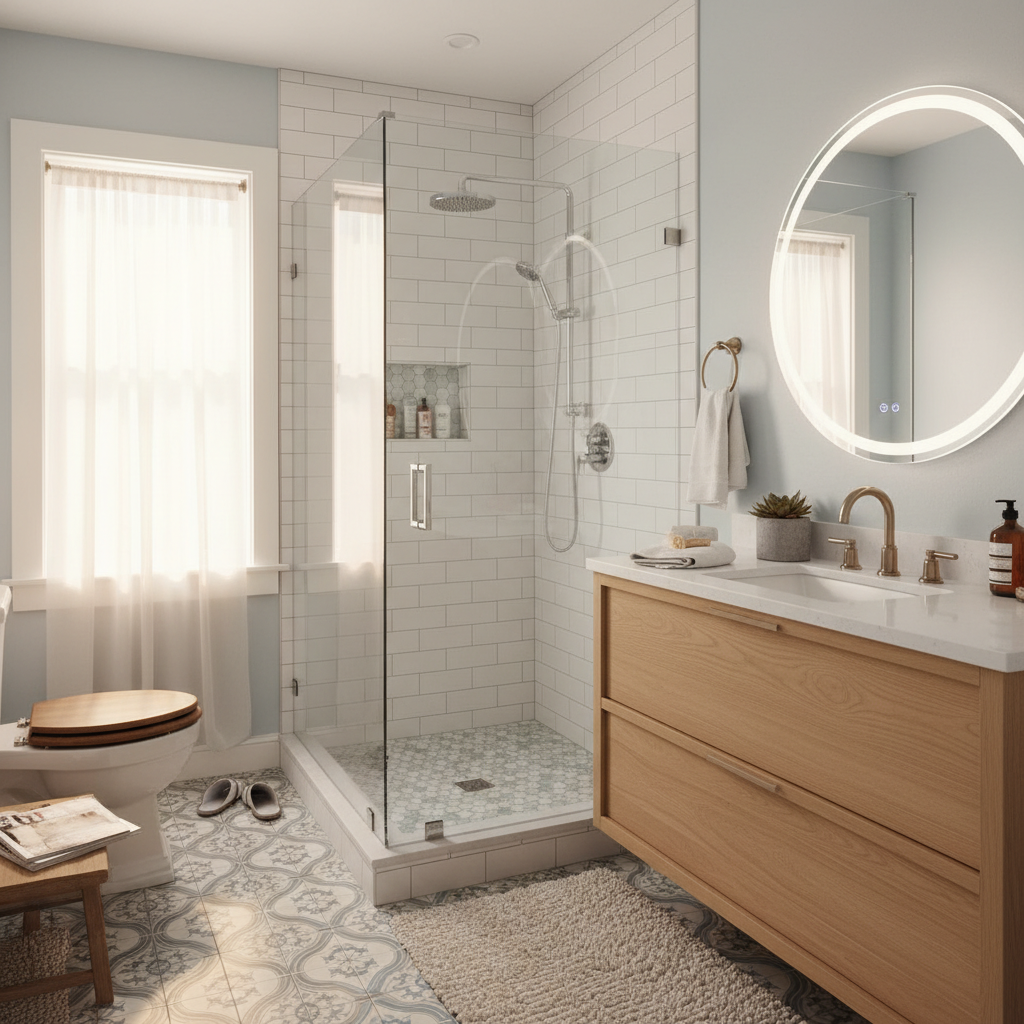
If you're thinking about redoing a bathroom, the first question on your mind is almost certainly, "How much is this going to cost?" It's the most practical and important question to ask before you pick up the phone to call a contractor.
The honest answer is: it depends. The cost of a bathroom remodel has a massive range, influenced by everything from the size of your room to the type of tile you choose. Looking ahead to 2026, we're seeing prices stabilize after a few volatile years, but skilled labor remains in high demand and materials aren't getting cheaper. This guide will break down the real-world costs you can expect, what drives those costs, and how you can make smart decisions when hiring a professional for the job.
Breaking Down the Budget: Where Does the Money Go?
When a contractor gives you a quote for $30,000, it's not just for a new tub and some tile. A significant portion of that cost is for the skilled labor required to build a beautiful, functional, and safe bathroom. Understanding the cost breakdown helps you see the value you're getting and where you might have room to save.
A typical mid-range bathroom remodel budget is divided roughly like this:
- Labor (40-60%): This is almost always the largest single expense. It covers the general contractor's project management time as well as the specialized work of their team and subcontractors: plumbers, electricians, tile setters, painters, and carpenters. This is the cost of expertise, and it's what ensures your plumbing doesn't leak and your electrical work is up to code.
- Fixtures & Finishes (20-35%): This category includes everything you see and touch: the vanity, countertops, toilet, tub or shower, faucets, lighting, and mirror. Your personal choices here have a huge impact on the total cost.
- Materials (10-15%): These are the building blocks of your bathroom. Think drywall, cement board for the shower, thin-set mortar for tile, grout, paint, plumbing pipes, and electrical wiring. They aren't glamorous, but they are essential.
- Design, Permits & Other (5-10%): This slice of the pie covers architectural or design fees (if applicable), the cost of municipal building permits, and waste disposal (like a dumpster rental).
Finally, every smart remodeler—and every good contractor—budgets for the unexpected. A contingency fund of 10-20% of your total budget is crucial for handling surprises discovered after demolition begins.
What this means for you:
When you get a quote, don't just look at the final number. Ask for a breakdown. A professional contractor should be able to explain how your money is being allocated. If a bid seems shockingly low, it's often because they've underestimated labor or are using subpar materials, which will cost you more in the long run.
Bathroom Remodel Tiers: From Refresh to Full Gut-Job
The scope of your project is the biggest factor determining cost. To make budgeting easier, we can group bathroom remodels into three general tiers. Prices are estimates for 2026 and will vary based on your location and the specific pros you hire.
The Cosmetic Refresh: $8,000 – $18,000
A cosmetic refresh, sometimes called a "pull-and-replace" remodel, focuses on updating the look of your bathroom without changing the underlying layout. You're keeping the toilet, shower, and vanity in the same spots.
- What it typically includes: Installing a new vanity and countertop, a new toilet, new faucets and shower fixtures, a new light fixture and mirror, fresh paint, and new flooring (like luxury vinyl plank or simple ceramic tile).
- Who it's for: Homeowners with a bathroom that is structurally sound and functional but feels dated. It’s a great way to get a big visual impact without the cost and complexity of a major renovation.
- Hiring Tip: While a skilled handyman might handle some of these tasks, coordinating a plumber, an electrician, and a painter can be a hassle. A general contractor (GC) ensures the project runs smoothly and that, for example, the plumber is ready to go right after the old vanity is removed.
The Mid-Range Remodel: $20,000 – $45,000
This is the most common type of bathroom remodel. It involves gutting most of the bathroom down to the studs and making more significant upgrades to both function and style. This is where you can start to really customize the space to your needs.
- What it typically includes: Everything in a cosmetic refresh, plus potentially moving some plumbing (like converting a tub/shower combo to a larger walk-in shower), installing a new tile shower with a niche, upgrading electrical for better lighting or a heated floor, and using higher-quality materials like quartz countertops or custom-looking tile work.
- Who it's for: Homeowners who want to fix functional problems (like a cramped shower or poor storage) and significantly improve the bathroom's overall quality and feel. This is the level where you get the best return on investment.
- Hiring Tip: You absolutely need a licensed and insured general contractor for this work. They will be responsible for pulling permits, scheduling inspections, and managing the team of subcontractors. Get at least three detailed bids to compare.
The High-End or Custom Remodel: $50,000 – $100,000+
A high-end remodel is about creating a truly custom, spa-like experience. The budget can climb rapidly depending on the level of luxury, the size of the room, and the complexity of the design.
- What it typically includes: Major structural or layout changes, such as moving the toilet or shower drain, expanding the bathroom's footprint, or adding a window. It features premium materials like natural stone slabs, custom-built cabinetry, high-end designer fixtures, steam showers, freestanding soaking tubs, smart home features, and extensive custom tile work.
- Who it's for: Homeowners with a significant budget who are creating their long-term "forever home" or want a true luxury retreat.
- Hiring Tip: For a project of this scale, you'll likely work with a design-build firm or an architect/interior designer in addition to a high-end general contractor. The planning and design phase is much longer and more detailed. Be sure to check a contractor's portfolio for examples of similar-caliber work.
The 'Hidden' Costs That Can Wreck Your Budget
No contractor has X-ray vision. The biggest budget-busters are the problems you can't see until the walls and floors are opened up. A good pro will prepare you for these possibilities, and a good budget will have a contingency fund ready for them.
- Water Damage & Mold: This is the most common surprise. A slow, undetected leak from an old shower pan or toilet seal can lead to rotted subfloors, damaged joists, and mold growth inside walls. This must be properly remediated and repaired before any new work can begin, which adds time and money.
- Outdated Plumbing & Electrical: Your home's systems must meet current building codes. During a remodel, if a contractor discovers old galvanized pipes, an ungrounded electrical circuit, or improper venting, they are legally required to fix it. This is for your safety, but it's an un-glamorous expense you need to be prepared for.
- Permits & Inspections: Permits are your assurance that the work is being done to a safe, professional standard. The cost of the permit itself can range from a couple hundred to over a thousand dollars, depending on your city and the project scope. This fee, plus the contractor's time to manage the process, is part of your project cost.
What this means for you:
Treat a 15-20% contingency fund as a non-negotiable part of your budget. If a contractor tells you it's not necessary, that's a red flag. It's better to have the money set aside and not need it than to have your project stall midway through because of an unexpected repair.
How Your Choices Impact the Final Bill
While some costs are fixed, your decisions on materials and scope have a massive effect on the bottom line. This is where you have the most control.
Fixtures and Finishes
A $400 off-the-shelf vanity from a big-box store versus a $4,000 custom-built vanity is an obvious price difference. But smaller choices add up, too. Porcelain tile that costs $8 per square foot is much more budget-friendly than natural marble at $40 per square foot. A standard toilet might be $300, while a high-tech smart toilet can be over $2,000. Be realistic about your tastes and how they align with your budget.
Layout Changes
This is the single biggest cost driver. Want to keep your budget in check? Keep your plumbing where it is. Moving a toilet is one of the most expensive changes you can make because it involves cutting into the foundation or subfloor to relocate the main drain line. Moving a shower or tub is similarly complex. Every wall you move and every pipe you relocate adds significant labor costs.
Scope Creep
"While you're here, could you also...?" Those five words can slowly inflate your budget. Adding a heated floor, deciding you want a bigger window, or upgrading to a steam shower halfway through the project is called "scope creep." Professional contractors will handle these requests through a formal change order—a written document that details the new work and its cost, which you both sign. This protects both of you from misunderstandings about the final bill.
Saving Money Smartly (and What Not to Skimp On)
Everyone wants to find savings, but it's critical to cut costs in the right places. Cutting the wrong corners can lead to expensive failures down the road.
Smart Ways to Save
- Keep the Layout: As mentioned, this is the #1 way to control costs.
- Do Your Own Demo & Painting: If you're handy and have the time, you can save on labor by doing some of the non-skilled work yourself. Get your contractor's approval first and be realistic about your abilities.
- Shop for Deals on Finishes: You can often find great prices on vanities, faucets, lights, and even tile by shopping sales or visiting outlet stores. Always confirm the specs with your contractor before buying to ensure they are compatible with the plan.
- Consider Lookalike Materials: Modern luxury vinyl plank (LVP) flooring can give you the look of wood or stone for a fraction of the cost and is completely waterproof. A high-quality acrylic tub can be much more affordable than cast iron.
Where You Should Never Skimp
- Waterproofing: The work behind the tile is more important than the tile itself. Proper waterproofing in a shower, using modern systems like Schluter-KERDI or RedGard, is essential. A leak from a poorly built shower can cause thousands in damage.
- Ventilation: A cheap, undersized bathroom fan is a recipe for mold and mildew. Invest in a high-quality, properly sized exhaust fan that is correctly vented to the outside. It's one of the best investments you can make for the health of your home.
- Licensed & Insured Labor: This is non-negotiable. Hiring an unlicensed, uninsured person to save money puts all the risk on you. If they get hurt on the job, you could be liable. If they damage your home or do faulty work, you have little recourse. Always verify your contractor's license and insurance.
The Hiring Process: Finding the Right Pro for Your Budget
With a realistic budget in mind, the final step is to find a qualified professional to bring your vision to life. This is the most important decision you'll make.
Get at least three detailed bids from vetted general contractors. Don't fall into the trap of simply picking the cheapest one. A low bid may be a sign of inexperience, desperation, or that the contractor missed something in the scope of work—which they'll likely charge you for later. A good bid is detailed, transparent, and clearly outlines what is and isn't included.
When you review their contract, look for:
- A detailed scope of work.
- A clear payment schedule (never pay for everything upfront).
- The process for handling change orders.
- Information on their warranty for labor and materials.
- Proof of their general liability insurance and worker's compensation insurance.
A bathroom remodel is a significant investment, but it's also one of the most rewarding. It adds daily comfort and enjoyment to your life and significant value to your home. By starting with a realistic understanding of the costs and a plan for hiring a true professional, you can ensure your project is a success.
Frequently asked questions
How long does a typical bathroom remodel take?+
A simple cosmetic refresh can take 1-2 weeks, while a common mid-range remodel often takes 3-6 weeks from demolition to completion. High-end, custom projects can take 8 weeks or more, not including the lengthy design and planning phase.
Can I use my bathroom during the remodel?+
Almost always, no. The water will be shut off and fixtures removed for a significant portion of the project. If it's your only bathroom, you will need to make alternative arrangements.
Do I need a permit for a simple bathroom update?+
It depends on your local rules, but generally, if you are moving any plumbing or electrical wiring, you will need a permit. If you are just swapping a faucet or toilet in the same spot, you often don't. Your contractor is responsible for knowing the local codes and pulling the necessary permits.
What is the ROI on a bathroom remodel?+
A mid-range bathroom remodel is one of the best home improvements for return on investment, often recouping 60-70% of its cost at resale. However, the biggest return is the value it adds to your daily life and enjoyment of your home.
Is it cheaper to hire a general contractor or individual tradespeople?+
For a very simple job like replacing a vanity, hiring trades directly might be cheaper. For any project involving multiple steps (demo, plumbing, electrical, tile), a general contractor is worth the cost. They manage scheduling, assume liability, and prevent costly mistakes, saving you money and headaches in the long run.