
The Smart Homeowner's Spring Maintenance Checklist
Winter can be tough on a house. Our spring maintenance checklist covers everything from your roof to your foundation, helping you decide what to DIY and when to call a pro.
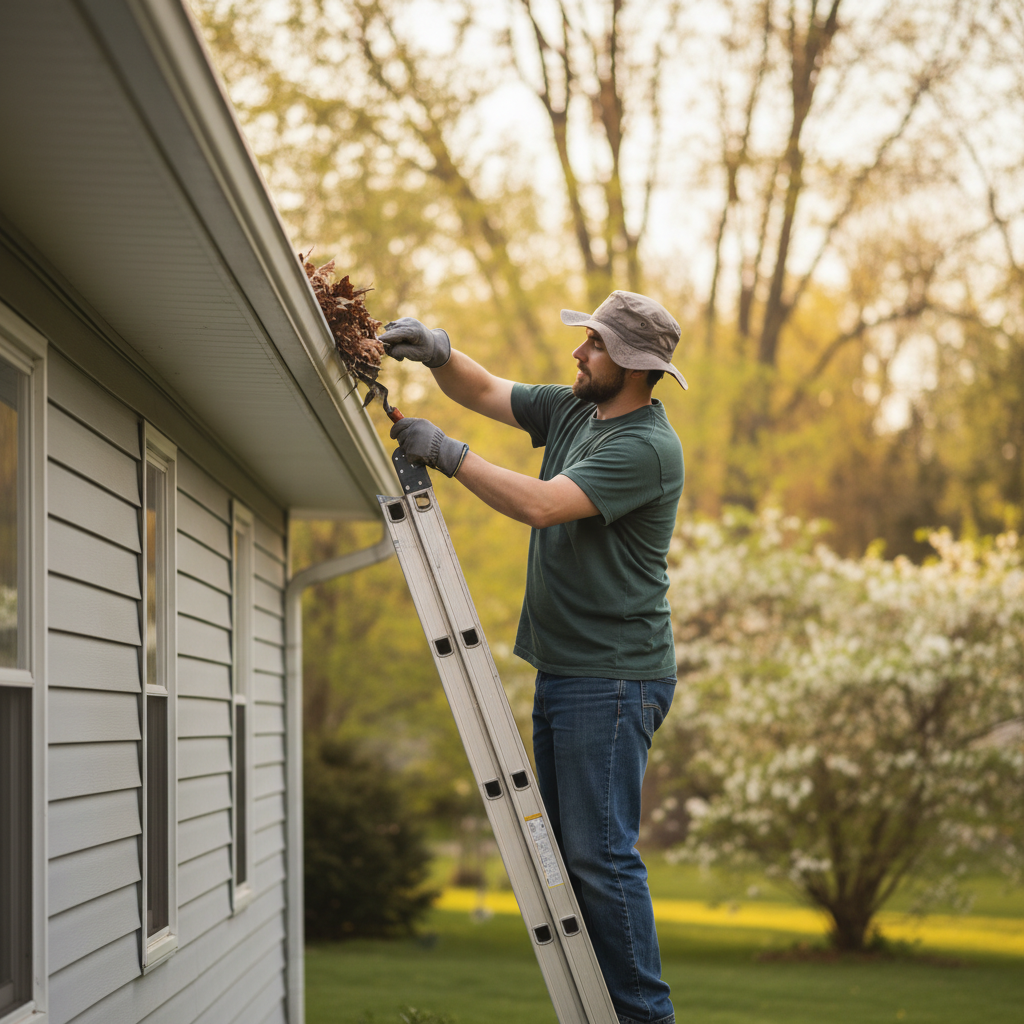
As the last of the snow melts and the first buds appear on the trees, it’s a time of renewal—not just for nature, but for your home. Winter is harsh. Heavy snow, ice dams, and biting winds can take a silent toll on your property. Spring is your first, best chance to inspect for damage, perform preventative maintenance, and get your home ready for the warmer months ahead.
This isn't just about spring cleaning. This is about smart, proactive ownership. A little effort now can prevent catastrophic failures later, like a leaky roof in a summer thunderstorm or a dead air conditioner during a heatwave. This checklist is designed to walk you through the essential tasks, breaking them down by area. More importantly, it will help you understand which jobs are safe to DIY and which ones are best left to a qualified professional. Let's get your home ready for spring.
Your Home's Exterior: The First Line of Defense
Your home's exterior is its armor against the elements. A thorough inspection in the spring is critical to ensuring that armor is intact after a long winter battle.
Roof, Gutters, and Downspouts
Your roof is arguably the most critical component of your home's exterior. Winter can be especially brutal on it.
- The DIY Inspection: From the ground, use binoculars to scan your roof for missing, cracked, or curling shingles. Look for any dark patches, which could indicate moisture getting through. Check the flashing around chimneys, vents, and skylights to ensure it’s still flush and sealed.
- Gutters and Downspouts: This is a must-do task. Gutters filled with winter debris can't do their job. When they clog, rainwater backs up and can flow under your shingles, rotting the roof decking and fascia boards. It can also spill over the sides, saturating the ground near your foundation and leading to basement leaks or foundation damage. Cleaning them is a manageable DIY job if you're comfortable and safe on a ladder, but it's also a very common and affordable professional service.
When to Call a Pro: If you see any potential roof damage from your ground inspection, don't climb up yourself. Call a licensed and insured roofer for a professional inspection. The risk of a fall is too high, and a pro knows exactly what to look for. For gutter cleaning, if your home is more than one story high or you're not comfortable with ladders, hiring a gutter cleaning service or a handyman is a smart move. Expect to pay between $150 and $350 for a typical home, depending on its size and height.
Siding, Windows, and Doors
Your walls are the next line of defense. Gaps and cracks are an open invitation for water, insects, and other pests.
- Siding Inspection: Walk around your house and look for warped, cracked, or loose siding panels. For wood siding, check for peeling paint or signs of rot. A small patch can often be a simple fix, but widespread issues may signal a deeper problem.
- Windows and Doors: Check the caulk and weatherstripping around all windows and doors. Winter's freeze-thaw cycles can cause old caulk to crack and pull away, creating drafts and entry points for water. Scrape out the old, failed caulk and apply a fresh bead of high-quality exterior caulk. This simple task can have a big impact on your energy bills.
When to Call a Pro: If you notice significant siding damage or suspect rot, it's time to call a siding contractor or a general carpenter. For paint, if more than a small touch-up is needed, a professional painter can properly prep the surface and apply a durable finish that will last 5-10 years. While caulking is a DIY-friendly task, if you have a large number of windows or are working at height, a handyman can knock it out efficiently.
Foundation and Grading
Water is a home's worst enemy, and your foundation is ground zero.
- Foundation Check: Walk the perimeter and look for any new cracks in the visible part of your foundation. Hairline cracks are often normal settling, but anything wider than a quarter-inch, or horizontal cracks, should be evaluated by a professional.
- Check the Grade: The soil around your foundation should slope away from the house. A good rule of thumb is a drop of at least six inches over the first ten feet. If soil has settled against the house, water will pool there and put pressure on your foundation walls. Raking soil to re-establish the grade is a good DIY project.
When to Call a Pro: For any concerning foundation cracks, don't guess. Call a structural engineer or a foundation repair specialist. This is not an area for DIY fixes. If you have significant grading issues you can't solve with a rake and a wheelbarrow, a landscaper can bring in equipment and fill dirt to properly regrade the area and protect your home.
Landscaping and Outdoor Living Spaces
With the inside protected, it's time to turn your attention to the yard and prepare it for summer enjoyment.
Trees, Shrubs, and Garden Beds
An overgrown or neglected yard isn't just an eyesore; it can pose a risk to your home.
- Pruning and Cleanup: Prune back any tree branches that are dead, diseased, or touching your roof or siding. This prevents moisture damage and gives pests a direct path to your house. Rake up old leaves and debris from garden beds to prevent mold and disease and allow new growth to emerge.
When to Call a Pro: For any large branches or trees close to your house or power lines, always hire a certified arborist. They have the training, insurance, and equipment to do the job safely. A general landscaper can handle most other pruning, cleanup, and mulch application tasks.
Decks, Patios, and Fences
Your outdoor living spaces need attention to stay safe and last long.
- Clean and Inspect: Use a stiff brush or a pressure washer on a low setting to clean dirt and grime from decks, patios, and fences. While cleaning, inspect for loose boards, popped nails, or signs of rot on wooden structures. Check for wobbly railings, which are a serious safety hazard.
- Seal and Stain: If you have a wood deck or fence, spring is the perfect time to apply a new coat of sealer or stain. This protects the wood from UV damage and moisture, dramatically extending its life. Most decks need to be resealed every 1-3 years.
When to Call a Pro: If you find significant rot or structural issues with your deck, call a deck builder or carpenter. Repairing a support post or joist is not a beginner's job. While many homeowners stain their own decks, hiring a painter or handyman can save you a weekend of back-breaking work and ensure a professional, even finish.
Sprinkler Systems and Hoses
It's time to bring your irrigation system out of hibernation.
- DIY Checks: Before turning on the main water supply, make sure all sprinkler heads are intact and not damaged by snowplows or shovels. Attach your garden hoses and check for cracks or leaks before you need them.
- System Turn-On: Slowly turn on the water to your irrigation system and run each zone, one at a time. Walk the yard and look for geysers (broken heads) or puddles (underground leaks).
When to Call a Pro: Many homeowners prefer to have an irrigation specialist handle the spring turn-on and fall blow-out. They can properly adjust heads for optimal coverage, program the controller, and make any necessary repairs on the spot. A professional spring start-up service typically costs $75 to $150 and is a worthwhile investment to ensure your system is working efficiently and not wasting water.
HVAC and Indoor Air Quality
Don't wait for the first 90-degree day to find out your air conditioner isn't working. Spring is the time for a check-up.
Air Conditioning Tune-Up
This is one of the most important professional services you can schedule in the spring.
- What it Involves: A professional HVAC technician will perform a multi-point inspection. Key tasks include: cleaning the outdoor condenser coils, checking refrigerant levels (too low or too high is a problem), testing electrical components, cleaning and clearing the condensate drain line, and verifying thermostat calibration.
- Why it Matters: A clean, well-tuned AC unit runs more efficiently, lowering your summer electricity bills. It also catches small problems (like a failing capacitor or a slow refrigerant leak) before they lead to a complete system failure on the hottest day of the year. Regular tune-ups can significantly extend the lifespan of your expensive HVAC system.
When to Call a Pro: This is not a DIY job. Handling refrigerants requires an EPA license, and working with high-voltage electrical components is dangerous. Call a reputable HVAC company to schedule your tune-up in early or mid-spring, before they get swamped with emergency calls. Expect to pay $100 to $250 for this vital service.
Filters, Vents, and Ducts
Simple tasks can make a big difference in your home's air quality.
- Change Your Filter: This is the easiest and most impactful thing you can do for your HVAC system. A clogged filter restricts airflow, forcing the system to work harder and driving up your energy bills. Change it at the start of the season and check it monthly.
- Clean Vents: Vacuum or wipe down all your air supply and return vents to remove dust and debris.
When to Call a Pro: If you have severe allergies or notice excessive dust, you might consider a professional duct cleaning. This is not an annual task—most experts recommend it only every 5-7 years, or after a major renovation. Be wary of scams offering ultra-low prices; a proper duct cleaning from a reputable company will likely cost $400 to $1,000.
Plumbing and Water Management
Preventative plumbing checks can save you from costly water damage.
Sump Pump Check
If you have a basement or crawl space, your sump pump is your best friend during spring showers.
- The Test: Make sure the pump is plugged in to a working GFCI outlet. Pour a bucket of water into the sump pit. The float should rise and trigger the pump, which should quickly empty the pit and shut off. If it doesn't, it's time for troubleshooting.
When to Call a Pro: If the pump doesn't turn on or runs continuously, call a plumber. A sump pump replacement is a relatively quick job for a pro and far cheaper than a flooded basement restoration. They can also advise on adding a battery backup system for peace of mind during power outages.
Faucets and Water Heater
- Outdoor Faucets (Hose Bibbs): Turn on your outdoor faucets and check for any leaks, either from the spout or from where the pipe exits the house. A leak here could mean a pipe burst inside the wall over the winter.
- Water Heater Flush: Over time, sediment builds up in the bottom of your water heater tank. This forces the heating element to work harder and can cause premature failure. Draining a few gallons from the tank (or doing a full flush) can remove this sediment. Many DIY guides exist, but it can be a messy job.
When to Call a Pro: If you find a leak in an outdoor hose bibb, shut off the water to it and call a plumber immediately. For the water heater, if you're not comfortable with the flushing process, a plumber can do it as part of a general plumbing inspection for around $100 to $200.
Safety Systems and Major Appliances
Finally, a few key checks can keep your family safe and your home running smoothly.
Smoke and Carbon Monoxide Detectors
This is a simple but life-saving task. Press the test button on every detector in your home. If they don't chirp, replace the batteries immediately. Most detectors need to be replaced entirely every 7-10 years; check the date on the back.
Dryer Vent Cleaning
This is a critical fire safety task that is often overlooked.
- Why it's important: The flexible hose behind your dryer and the rigid ductwork running to the outside of your house get clogged with lint. This restricts airflow, makes your dryer less efficient, and creates a serious fire hazard. According to FEMA, nearly 3,000 home fires are caused by dryers each year.
When to Call a Pro: While you can clean the hose and the area immediately around the dryer yourself, a professional has specialized brushes and vacuums to clean the entire length of the duct run. For ducts that are long or have several bends, a pro is the best choice. This service typically costs $100 to $200 and should be done every 1-2 years.
Tying It All Together: DIY vs. Hiring a Pro
Navigating this list can feel overwhelming, but it helps to have a clear framework for deciding what to tackle yourself and when to make a call.
Good DIY Tasks: These are generally low-risk, require basic tools, and have low consequences if done imperfectly. Examples: Raking leaves, changing an HVAC filter, cleaning gutters on a one-story home, caulking windows, testing a sump pump.
Good Pro-Hire Tasks: These tasks fit one or more of these criteria:
- Requires a license or special training: HVAC (refrigerant), major electrical, most plumbing.
- Involves significant safety risks: Roofing, working on high ladders, large tree trimming.
- Requires expensive, specialized tools: Professional-grade pressure washers, drain augers, duct cleaning equipment.
- Carries high consequences if done wrong: Foundation repair, electrical work, structural carpentry.
Spring maintenance is an investment in your home's health, safety, and value. By tackling the small stuff yourself and hiring qualified, vetted professionals for the big stuff, you can ensure your home is a safe and comfortable place to be for the seasons to come.
Frequently asked questions
How much should I budget for professional spring maintenance services?+
It varies, but setting aside $300-$600 is a good starting point. This can comfortably cover an HVAC tune-up ($100-$250), professional gutter cleaning ($150-$350), and perhaps a sprinkler system start-up ($75-$150).
Can I perform my own AC tune-up to save money?+
It's not recommended. A true tune-up involves checking refrigerant levels and electrical components, which requires an EPA license and poses a safety risk. Changing your filter is a great DIY task, but leave the full service to a qualified HVAC technician.
I skipped maintenance last spring. What are the most critical things I should do right away?+
Focus on the biggest risks first. Prioritize anything related to water intrusion, like cleaning gutters and inspecting the roof. After that, schedule your AC tune-up to prevent a mid-summer breakdown, and clean your dryer vent for fire safety.
How do I find a reliable contractor for these jobs?+
Start by asking neighbors for recommendations, then get at least three quotes for any significant job. Always verify that the contractor has current liability insurance and any required state licenses. Using a service that vets pros for you can also save time and provide peace of mind.
Is it safe to power wash my house's siding?+
It can be, but it's risky if done improperly. Using too much pressure can strip paint, damage siding, and force water behind it, leading to mold. For older homes, wood siding, or stucco, it's often safer and more effective to hire a professional with the right equipment and experience.