
Cracked Concrete? When to Patch, Resurface, or Replace Your Driveway or Patio
Unsightly cracks in your driveway or patio? Learn how to tell if you need a simple patch, a full resurfacing, or a complete replacement to make the smartest hiring decision.
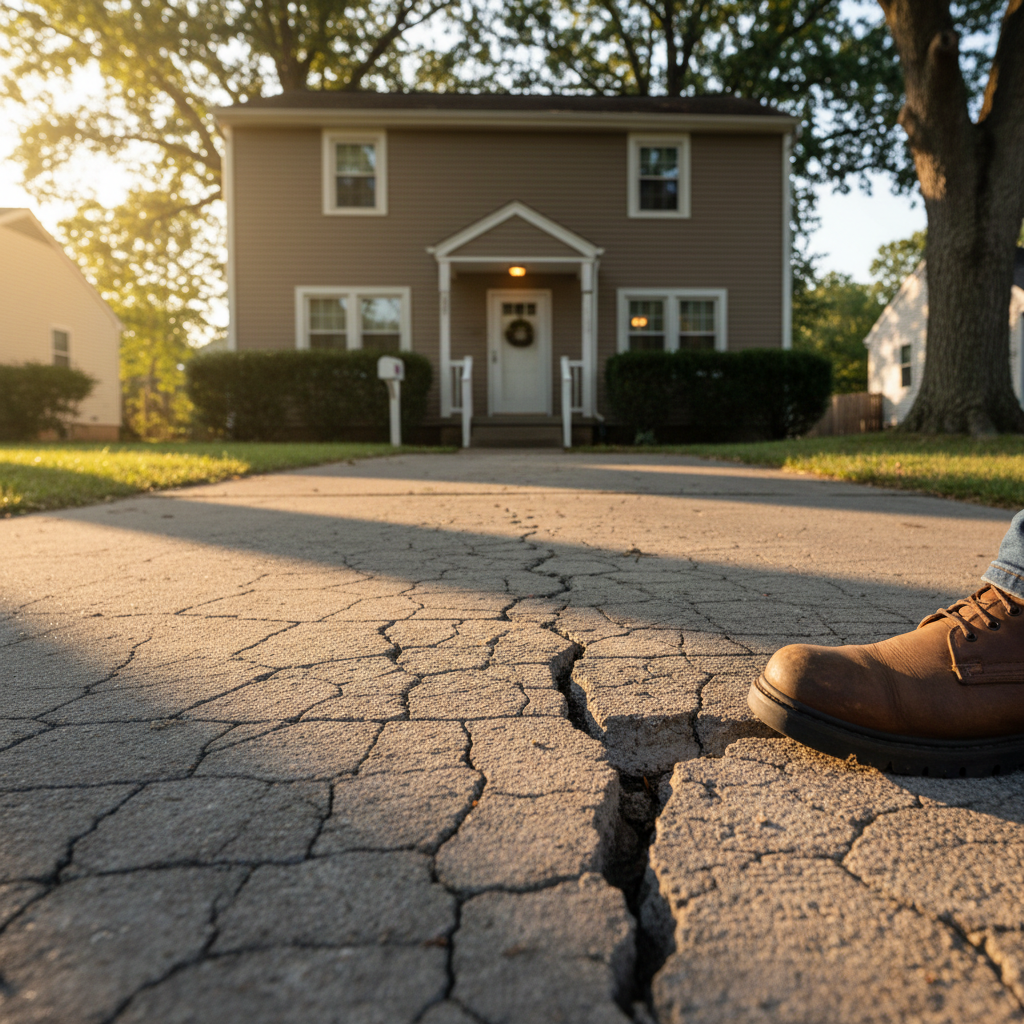
That first crack in your pristine concrete driveway or patio can feel like a personal failure. But the truth is, all concrete cracks eventually. It’s a fundamental property of the material. The real question isn’t if it will crack, but how it cracks—and what that means for your home and your wallet.
Staring at that jagged line, you're faced with a classic homeowner dilemma. Is this a five-dollar tube of caulk situation? Does the whole surface need a facelift? Or are you looking at a major, multi-thousand-dollar replacement project? Choosing the wrong path can be a costly mistake. Patching a deep, structural problem is like putting a bandage on a broken arm, while tearing out a perfectly sound slab with a few surface blemishes is a waste of money.
This guide will walk you through how to diagnose your cracked concrete, understand your options, and ask the right questions when you call in a professional. Making an informed decision now will save you headaches and ensure you get a solution that lasts.
Understanding Why Concrete Cracks
Before you can choose a solution, it helps to understand the culprit. A good concrete contractor isn't just a laborer; they're a diagnostician. They’ll look at the type of crack to understand the cause, which is the key to recommending a lasting fix.
Here are the most common reasons your concrete is cracking:
Shrinkage During Curing: As new concrete cures and dries, it loses water and shrinks slightly. This process can create tiny, random hairline cracks. Professional installers cut straight lines, called control joints, into the slab to encourage the concrete to crack neatly along these predetermined paths instead of randomly across the surface. If you see hairline cracks despite these joints, it's usually not a major concern.
Heaving and Settling: This is the big one. The ground beneath your concrete is not static. In cold climates, freeze-thaw cycles can cause the soil to expand (heave) and contract, pushing the slab up and then letting it drop. In other areas, poorly compacted soil can settle over time, or water erosion can wash away the sub-base, leaving a void. This movement puts immense stress on the rigid concrete slab, causing large, structural cracks. One side of the crack is often higher than the other, creating a dangerous trip hazard.
Overloading: A standard residential driveway is typically poured four inches thick, designed for cars and light trucks. Parking an extremely heavy vehicle—like a loaded moving van, a dumpster for a remodel, or a large RV—can cause the slab to crack under the excessive weight.
Improper Installation: The long-term health of a concrete slab is determined the day it's poured. A reputable pro knows this. Common installation mistakes include a bad concrete mix (too much water is a classic error), pouring in extreme heat or cold, inadequate sub-base preparation, or not enough control joints. These mistakes can lead to premature failure and widespread cracking.
What this means for you, the homeowner, is that the cause of the crack is more important than the crack itself. A pro who immediately suggests a solution without first diagnosing the underlying issue is a red flag.
The Triage Test: How to Assess Your Cracked Concrete
You don’t need special equipment to do a preliminary diagnosis. Grab a tape measure and a coin, and take a close look at the problem areas. Your goal is to categorize the cracks to understand the likely solution.
Hairline Cracks (Less than 1/8" wide)
These are tiny, surface-level cracks, often narrower than a dime's edge. You might see a web of them, or just one or two. They are usually caused by normal shrinkage and are rarely a structural concern. However, they can allow water to seep into the slab, which can cause bigger problems down the road in freeze-thaw climates.
- The Likely Solution: Patching or sealing. For a few small cracks, a flexible concrete caulk or sealant can be a simple DIY job. If the cracks are more widespread, a pro can do a more thorough job of filling them, sometimes as part of a larger cleaning and sealing project.
Wider, "Static" Cracks (1/8" to 1/2" wide)
These are more noticeable cracks that you can easily fit a quarter into. If the two sides of the crack are level with each other and you haven't noticed them getting longer or wider over a season, they are likely "static." This might be from an old settling event that has since stabilized.
- The Likely Solution: Patching or Resurfacing. A flexible sealant can fill these cracks to prevent water intrusion. However, the patch will be visible. If you have several of these cracks and they mar the look of your patio or driveway, resurfacing the entire slab is an excellent option to create a new, uniform appearance.
"Active" or Structural Cracks (Wider than 1/2" or with a height difference)
This is the red flag. These are large cracks where one side is higher or lower than the other. If you lay a straight edge across the crack, it will rock back and forth. These cracks are often caused by ongoing soil movement, a failed sub-base, or even pressure from tree roots. They are "active," meaning they will likely continue to grow, shift, and worsen.
- The Likely Solution: Full Replacement. Patching or resurfacing is a waste of money here. The underlying problem—the unstable ground—will simply destroy the patch or crack the new surface within a year or two. The only permanent fix is to remove the old slab, correct the sub-base issue (e.g., re-grade, add proper drainage, compact the soil), and pour new concrete.
Widespread Cracking or "Alligatoring"
Does your concrete surface look like a dry lakebed or the skin of an alligator, with countless interconnected cracks? This often indicates a systemic failure. It could be that the top layer of the concrete was improperly finished and is now delaminating, or it could signal that the entire sub-base has failed and the slab is breaking apart under stress.
- The Likely Solution: Resurfacing or Replacement. A pro needs to determine the depth of the problem. If the base slab itself is still solid and the cracking is superficial, resurfacing might be possible. But more often than not, alligatoring is a sign of a failed sub-base, and replacement is the only viable long-term solution.
Option 1: Patching Concrete Cracks
Patching is the simplest and most direct approach, best suited for minor, non-structural issues.
- What it is: The process involves cleaning out debris from the crack and filling it with a specialized concrete repair compound. Products range from flexible polyurethane caulks for active hairline cracks to epoxy injection and rigid cementitious patching compounds for wider, static cracks.
- Best For: A small number of static, non-structural cracks less than 1/2" wide.
- Pros: It’s the least expensive option and the quickest fix. It prevents water from getting into the crack and causing further damage from freeze-thaw cycles.
- Cons: The patch will almost never be a perfect color match with your existing concrete, leaving a visible scar. It is a surface-level fix and does not address the root cause of structural cracking.
- Hiring a Pro: While patching a single small crack can be a DIY job, consider hiring a pro if you have numerous cracks or if the cracks are wider. A professional will use a grinder to prepare the crack edges, ensuring a stronger bond. They also have access to a wider range of commercial-grade products and are more skilled at achieving a better aesthetic result. Expect to pay $300–$800 for a professional to come out and address multiple small to medium cracks.
Option 2: Resurfacing Your Concrete
If your concrete is structurally sound but looks terrible, resurfacing is a transformative and cost-effective option.
- What it is: A professional applies a thin (typically 1/8" to 1/4") layer of a polymer-modified cement overlay across the entire surface of the existing slab. This isn't just a skim coat of concrete; it's a high-tech blend designed to bond tenaciously to old concrete and resist cracking.
- Best For: Structurally sound slabs with widespread surface problems like discoloration, stains, salt damage, or numerous small, non-structural cracks.
- Pros: Delivers the look of a brand-new slab for a fraction of the cost of replacement. It covers all old repairs and blemishes. You can also add color, textures, or even stamped patterns (like brick or stone) for a major aesthetic upgrade.
- Cons: Resurfacing is only a cosmetic solution. If your slab has active, structural cracks or is heaving, the new surface will simply crack right along with the old slab underneath. The success of the job is highly dependent on meticulous surface preparation, making it a poor choice for an inexperienced DIYer.
- Hiring a Pro: This is almost exclusively a job for a specialized contractor. The process involves intensive cleaning, pressure washing, grinding, and patching any significant cracks before the overlay is applied. The cost typically ranges from $3–$7 per square foot, but can go higher for elaborate stamped or colored finishes. A standard 600-square-foot two-car driveway might cost $1,800–$4,500 to resurface.
Option 3: Replacing the Concrete Slab
This is the most intensive and expensive option, but it's the only correct solution for a failing slab.
- What it is: The old concrete slab is completely broken up, removed, and hauled away. The contractor then addresses the sub-base, which may involve re-grading the soil for better drainage, bringing in and compacting new gravel fill, and ensuring a stable foundation. Finally, they install rebar or wire mesh for reinforcement and pour a brand new slab.
- Best For: Slabs with large, active, structural cracks; significant heaving or sinking (more than 1/2"); or widespread crumbling and deterioration (spalling) that goes deep into the concrete.
- Pros: It's a permanent solution that addresses the root cause of the failure. It allows you to fix underlying drainage or soil issues. You get a brand new, properly installed slab that will last for decades.
- Cons: It is by far the most expensive and disruptive option, involving heavy machinery, noise, and a period where the area is unusable.
- Hiring a Pro: This is always a job for a qualified concrete contractor. Permitting is often required by your local municipality. When getting quotes, the most important part of the proposal isn't the thickness of the concrete, but the contractor's plan for the sub-base preparation. This is what ensures the new slab won't suffer the same fate as the old one. The cost can vary widely by region, access, and scope, but generally falls between $8–$18 per square foot. A full replacement of a 600-square-foot driveway could range from $5,000 to $12,000 or more.
Making the Call: What to Ask a Concrete Contractor
Your goal is to hire a pro who offers the right solution, not just the one they happen to sell. A resurfacing specialist might try to sell you a resurfacing job, while a full-service concrete company might push for a total replacement. Your best defense is to be an educated customer.
When you have at least two or three contractors come to provide an estimate, listen carefully to their diagnosis. A good pro will spend more time looking at the cracks and the surrounding landscape (grading, downspouts) than they do measuring.
Here are the crucial questions you should ask every contractor:
- "In your opinion, what is causing these cracks?" Listen for answers that mention soil, water, sub-base, or freeze-thaw cycles. Be wary of vague answers like "it's just old."
- "Why are you recommending [patching/resurfacing/replacement] over the other options for my situation?" A good contractor will be able to clearly justify their recommendation based on the type and severity of the cracks.
- "If we choose to patch or resurface, what is the risk that the cracks will return? What's the warranty on that?" This question tests their honesty. For structural issues, they should admit that a patch or overlay is a temporary fix at best.
- For a replacement job: "What is your process for preparing the sub-base?" This is the most important question. Look for answers that include compacting the soil, adding and compacting a gravel base (typically 4 inches), and checking the grade for proper drainage.
- "Can you provide proof of your business license and, more importantly, your general liability and workers' compensation insurance?" Never hire a contractor without this. If an uninsured worker gets hurt on your property, you could be held liable.
- "Will this project require a permit from the city/county? If so, do you handle that process?" Significant concrete work, especially replacements, often requires a permit. The contractor should handle this.
- "How will you protect my surrounding lawn and property? How will you handle the disposal of the old concrete?" A professional plan includes cleanup. The cost of demolition and disposal should be clearly itemized in the quote.
By comparing not just the final price but the underlying diagnosis and scope of work from multiple contractors, you can be confident you're choosing the right, most durable solution for your home.
Frequently asked questions
Can I just pour new concrete over my old cracked driveway?+
Generally, no. Pouring a thin layer of new concrete over an unstable, cracked slab is a recipe for failure. The new layer will crack right along with the old one, often within a year. This is why professionals recommend either resurfacing with a special polymer overlay on a sound slab or a full replacement.
How long does a resurfaced concrete patio last?+
When done correctly on a stable slab, a high-quality concrete resurfacing can last 8-15 years. The key is proper surface preparation by the contractor and using a quality polymer-modified overlay. If the underlying slab moves or shifts, the new surface will crack sooner.
Is it cheaper to repair concrete in the summer?+
Not necessarily cheaper, but timing is important. Concrete work is best done in moderate, dry weather, typically between 50°F and 80°F. Extreme heat can make it cure too fast and crack, while cold can slow curing to a halt. Spring and fall are often ideal seasons, and booking a pro in the off-season may offer some flexibility.
My cracks are tiny. Can I just ignore them?+
Hairline cracks are often just cosmetic, but it's wise to seal them with a flexible concrete sealant. Even tiny cracks allow water to penetrate the slab. In cold climates, this water freezes, expands as ice, and turns small cracks into big problems over time.
What's the difference between concrete and cement?+
Homeowners often use the terms interchangeably, but they're different. Cement is a binding ingredient, like flour in a cake. Concrete is the final composite material, made of cement, sand, gravel, and water. When you're hiring, you're looking for an experienced concrete contractor.