
Fence Installation Guide: Costs, Materials, and Avoiding Permit Headaches
Planning a new fence? Our guide covers material pros and cons, realistic installation costs per foot, and how to navigate the tricky permit process for a smooth project.
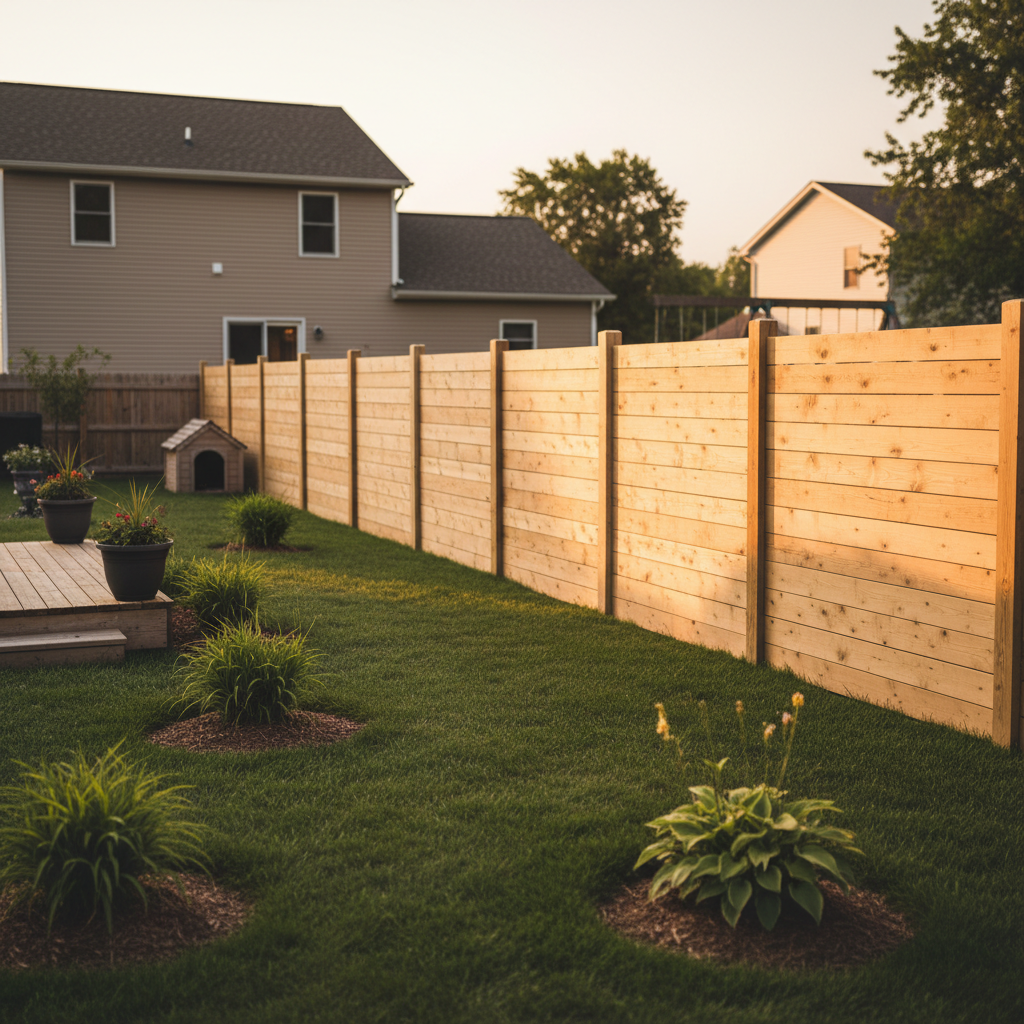
A new fence is one of the most transformative projects you can undertake for your property. It can provide privacy from neighbors, create a safe play area for kids and pets, boost curb appeal, and clearly define your property lines. But between choosing the right material, understanding the true costs, and navigating local regulations, the process can feel overwhelming.
This guide is designed to demystify fence installation. We'll walk you through the most common materials, break down what you can expect to pay, and shine a light on the permitting process so you can hire a professional with confidence and avoid costly mistakes.
Choosing Your Fence Material: A Pro-Con Breakdown
The material you choose is the single biggest factor influencing your fence's cost, appearance, and long-term maintenance needs. There's no single "best" material—only the best material for your specific goals, budget, and tolerance for upkeep.
Wood Fencing (The Classic Choice)
Wood is the traditional go-to for residential fencing, and for good reason. It offers a natural, warm aesthetic that complements almost any home style. The most common options you'll see are pressure-treated pine (more affordable) and cedar (naturally resistant to rot and insects).
- Pros:
- Aesthetics: Classic, natural look that can be stained or painted any color.
- Cost: Often the most affordable option upfront, especially pressure-treated pine.
- Customization: Easily built to any height or style, from solid privacy to charming picket.
- Cons:
- Maintenance: Requires regular staining or sealing (every 3-5 years) to prevent rot, warping, and sun damage.
- Lifespan: Shorter lifespan than other materials (15-20 years) if not properly maintained.
- Vulnerabilities: Susceptible to termites, rot, and fire.
What this means for you: If you love the traditional look and are prepared for the recurring maintenance (or the cost of hiring someone to do it), wood is a fantastic and versatile option. If you want a hands-off fence, you may want to look at other materials.
Vinyl Fencing (The Low-Maintenance Leader)
Vinyl (or PVC) fencing has surged in popularity because it offers the look of a classic painted wood fence without the upkeep. It’s a manufactured product that comes in a variety of colors (most commonly white and tan) and styles.
- Pros:
- Low Maintenance: Never needs painting or staining. Just needs an occasional wash with soap and water to remove dirt or mildew.
- Durability: Won't rot, warp, splinter, or be damaged by insects.
- Longevity: Can last for 30 years or more with minimal care.
- Cons:
- Upfront Cost: Significantly more expensive than most wood options.
- Repairs: Can be difficult to repair. If a section is damaged by a storm or impact, the entire panel often needs to be replaced.
- Extreme Weather: Can become brittle and crack in very cold temperatures.
What this means for you: Vinyl is the ideal "set it and forget it" choice for homeowners who want to prioritize low maintenance over a low upfront cost. It's a long-term investment that pays off in saved time and money on upkeep.
Aluminum & Steel Fencing (For Security and Elegance)
Often called ornamental or wrought iron-style fencing, metal fences provide security and a stately look without blocking the view. Aluminum is the most popular choice for residential use because it's lightweight, affordable, and won't rust. Steel is heavier and stronger, but requires a good protective coating to prevent corrosion.
- Pros:
- Durability & Security: Extremely strong and long-lasting.
- No Maintenance: Modern powder-coated finishes on aluminum are incredibly durable and require virtually no upkeep.
- Aesthetics: Provides an elegant, open, and high-end look. Perfect for pool enclosures.
- Cons:
- No Privacy: The open-picket style offers zero privacy on its own.
- Cost: One of the more expensive fencing options on the market.
What this means for you: If your primary goals are security, enclosing a pool, or adding a decorative border without sacrificing your view, aluminum is an excellent, maintenance-free choice.
Chain-Link Fencing (The Utilitarian Option)
Chain-link is the most budget-friendly fence material available. While not known for its beauty, it is highly effective, durable, and completely maintenance-free. It's a workhorse, chosen for function over form.
- Pros:
- Cost: The most affordable fence material per linear foot.
- Durability: Galvanized steel is rust-resistant and stands up to harsh weather for decades.
- Zero Maintenance: It requires no upkeep.
- Cons:
- Appearance: Widely considered the least attractive fencing option.
- Privacy: Offers no visual privacy, although vinyl privacy slats can be woven through the links for an added cost.
What this means for you: If you need to secure a property line or contain a large dog on a tight budget and curb appeal is not a top priority, chain-link gets the job done cheaply and effectively.
Composite Fencing (The High-Tech Hybrid)
Composite fencing is a premium product made from a blend of recycled plastic and wood fibers. It’s designed to mimic the look and feel of natural wood but with the low-maintenance benefits of vinyl.
- Pros:
- Wood-like Look: The most convincing wood substitute on the market.
- Extremely Durable: Resists rot, insects, and fading better than wood.
- Low Maintenance: Doesn't need staining or sealing. Cleans up with soap and water.
- Cons:
- Highest Cost: Typically the most expensive fencing material available.
- Weight: Can be very heavy, potentially increasing labor costs.
What this means for you: Composite is for homeowners who want the aesthetic of wood without any of the associated maintenance, and are willing to pay a premium for that combination.
Decoding Fence Installation Costs
Fence installation is almost always priced by the linear foot, a price that includes both materials and labor. A contractor's quote of "$40 per linear foot" for a vinyl privacy fence means a 150-foot fence would cost around $6,000. However, many factors can influence that final number.
Typical Cost Ranges per Linear Foot (Installed)
These are national ballpark figures. Costs in your specific area can be higher or lower depending on labor rates and material availability. Always get multiple local quotes.
- Chain-Link: $15 – $35 per linear foot
- Wood (Pine or Cedar): $20 – $50 per linear foot
- Vinyl (PVC): $30 – $60 per linear foot
- Aluminum: $45 – $75+ per linear foot
- Composite: $50 – $80+ per linear foot
Don't Forget These "Hidden" Costs
When comparing bids, make sure you know exactly what's included. A lower price might not be a better deal if it excludes key items.
- Gates: Gates are more complex to install and require hardware, so they cost significantly more per linear foot than the fence itself. A simple 4-foot walkway gate might add $300-$600, while a 12-foot driveway gate could add thousands.
- Old Fence Removal: If you have an existing fence, the cost to tear it down and haul it away can add $3–$7 per linear foot to the project.
- Permit Fees: The cost of the building permit itself, which can range from $50 to over $500 depending on your municipality.
- Property Survey: If your property lines aren't clearly marked, you may need to hire a surveyor for $400–$1,000 to avoid disputes with neighbors. Your contractor cannot and will not do this for you.
- Difficult Terrain: Installing a fence on a steep slope, through rocky soil, or around many trees will increase labor costs.
- Finishing: For a wood fence, the cost of staining or painting is often not included in the installation price.
What this means for you: Get detailed, itemized quotes. A professional contractor will list everything from the fence style and height to the number of gates and whether removal of the old fence is included. This is the only way to accurately compare different bids.
The Permit Puzzle: Why You Can't Skip This Step
Many homeowners are tempted to skip the permit process to save time and money. This is a major mistake. Building a fence without a permit can lead to fines, orders to tear the fence down at your own expense, and major problems when you try to sell your home.
Municipalities require permits for fences to ensure:
- Safety: The fence location won't interfere with underground utility lines.
- Property Lines: It's built on your property and doesn't encroach on your neighbor's land or public right-of-ways.
- Community Standards: The fence adheres to local rules about height, materials, and placement (e.g., how far it's set back from the sidewalk).
Common Permit Requirements
Every town is different, but you'll likely need to provide some or all of the following:
- A Site Plan: A copy of your property survey showing your property lines, the house, and a clear drawing of where the new fence will go.
- Fence Details: The application will ask for the fence's height, material, and style.
- Post Hole Specs: Some towns specify a required depth for post holes (e.g., below the frost line) to ensure stability.
- An Application Fee: This covers the administrative cost of reviewing and inspecting the project.
Who Pulls the Permit: You or Your Contractor?
A reputable fence contractor should insist on pulling the permit themselves. They do this every day and know exactly what the local building department needs to see. They'll complete the paperwork, submit the plans, and schedule the required inspections.
What this means for you: If a contractor tells you a permit isn't necessary for a job that clearly requires one, or pushes you to pull it yourself under your name as the homeowner, this is a giant red flag. A pro who handles permitting is a pro who is licensed, insured, and accountable for building your fence to code. It's a key part of the service you're paying for.
Finding and Vetting a Great Fence Contractor
Getting a few quotes is just the start. To find a true professional who will do the job right, you need to dig a little deeper.
What to Look For in a Quality Pro
- Proper Licensing and Insurance: Don't just take their word for it. Ask for a copy of their state or local license and certificates of insurance. You need to see proof of both General Liability (covers damage to your property) and Worker's Compensation (covers injuries to their crew). Without this, you could be held liable.
- Local Experience & Portfolio: A contractor who has been working in your town for years will know the soil conditions, frost line depth, and the quirks of the local permit office. Ask to see photos of recent projects similar to yours.
- Detailed, Written Estimates: The estimate should be a professional document, not a number scribbled on a card. It must specify the exact material, style, height, total linear footage, gate specifications, payment schedule, and an estimated start and completion date.
- A Clear Process: Ask them to walk you through the job. Do they call 811 before digging to have public utility lines marked? How do they handle the excess dirt from post holes? What is their cleanup policy?
Red Flags to Watch Out For
- Suggesting you skip the permit.
- Asking for the full payment upfront. (A deposit of 10-50% is standard, with the higher end for custom-ordered materials.)
- Providing a vague, verbal-only quote.
- Using high-pressure sales tactics like "this price is only good for today."
- An inability to provide recent references or proof of insurance.
Before the Crew Arrives: Pre-Installation Checklist
Once you've hired your pro, a little prep work on your end will ensure a smooth project.
- Talk to Your Neighbors: Even if you've had a survey and know you're on your property, let your neighbors know your plans as a courtesy. It can prevent a lot of future tension.
- Mark Property Lines: If there's any ambiguity, it's worth getting a survey. For clear lines, you can mark the corners with stakes to guide the installers.
- Clear the Fence Line: Move patio furniture, grills, potted plants, and toys. If you have valuable shrubs or perennials on the fence line, you may want to transplant them. Trim back any overhanging tree branches.
- Confirm Gate Placement: Walk the property one last time with the project manager to confirm the exact location of each gate and which way it should swing.
- Plan for Pets and Kids: An active construction zone can be dangerous. Have a plan to keep children and pets safely away from the work area.
Fence Maintenance: Protecting Your Investment
Your fence's lifespan depends on proper maintenance. The work isn't over just because the contractor's truck is gone.
- For Wood Fences: Inspect your fence annually for any signs of rot, insect damage, or loose boards. The biggest task is cleaning and re-staining or sealing it every 3-5 years. This protects it from moisture and UV rays, which are its biggest enemies.
- For Vinyl and Composite Fences: These are incredibly easy to care for. A simple wash with a hose, mild soap, and a soft-bristle brush once a year is usually all that's needed to remove surface dirt, pollen, and any mildew that might form in shady areas.
- For Metal Fences: Aluminum fences are virtually maintenance-free. For steel, you'll want to inspect it periodically for any chips or scratches in the protective coating and touch them up with rust-inhibiting paint to prevent corrosion from starting.
What this means for you: When choosing your fence, be realistic about the time and money you're willing to commit to future maintenance. The total cost of ownership goes far beyond the initial installation price.
Frequently asked questions
How close to my property line can I build my fence?+
This depends entirely on your local town or HOA rules. Some allow you to build directly on the property line, while others require a setback of a few inches to a foot or more. A professional fence contractor will know the local codes, but it's always safest to verify with your building department.
Do I need to tell my neighbor I'm building a fence?+
While you may not be legally required to, it's highly recommended as a courtesy. Informing your neighbor of your plans can prevent misunderstandings and maintain a good relationship. It also gives you a chance to discuss the project and ensure there are no property line disputes before work begins.
How long does a typical fence installation take?+
For an average-sized residential yard (150-250 linear feet), a professional crew can typically complete the installation in 2-4 days. Day one is usually for setting the posts in concrete, which then need a day to cure properly before the panels or pickets can be installed.
What's the best type of fence for containing dogs?+
For large, strong dogs or escape artists, a 6-foot vinyl or wood privacy fence is often the best choice as it's tall and has no footholds for climbing. If budget is the main concern, a chain-link fence is also very effective. Avoid short or widely-spaced picket fences for dogs that might jump or squeeze through.
Can I install a fence on a sloped yard?+
Yes, absolutely. Professional installers have two main methods for handling slopes: racking and stepping. Racked fences follow the contour of the ground for a seamless look, while stepped fences create a stair-step pattern down the hill. Your contractor can recommend the best method for your specific landscape and fence style.