
How to Hire an Electrician: A Homeowner's Guide to Licenses, Insurance, and Red Flags
Hiring an electrician? Learn how to verify licenses and insurance, what questions to ask, and the critical red flags that signal you should walk away.
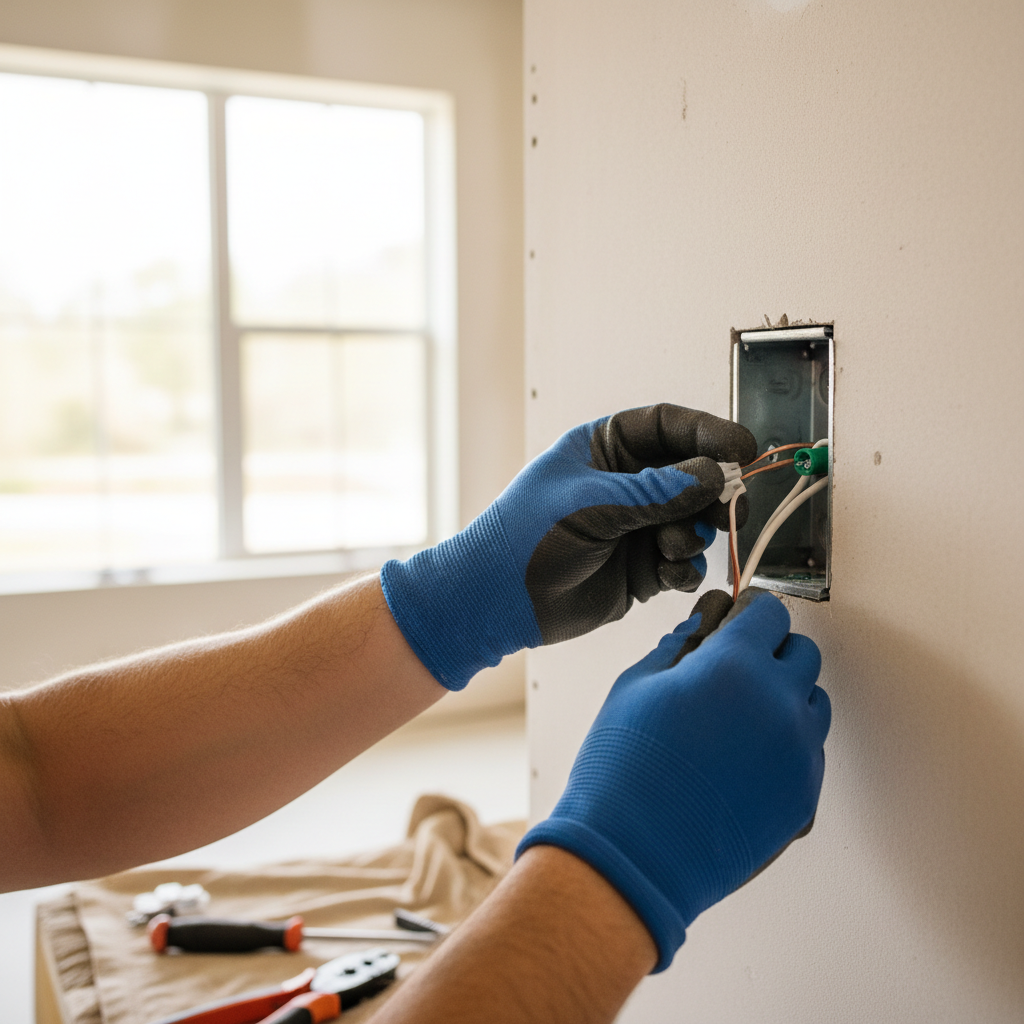
Electrical work is one area of home maintenance where you absolutely cannot afford to cut corners. Unlike a bad paint job that you can simply redo, faulty wiring can lead to devastating consequences like house fires, appliance damage, and even electrocution. That’s why hiring a qualified, professional electrician isn’t just a good idea—it’s an essential investment in your family’s safety and your home’s value.
But how do you tell a true professional from a risky amateur? It comes down to knowing what to look for and what to watch out for. This guide will walk you through the non-negotiables of hiring an electrician, from verifying licenses and insurance to spotting the red flags that should send you running.
Why You Can't Skimp on Electrical Work
It can be tempting to find the cheapest possible option or hire a general handyman to install a new light fixture or outlet. But the risks associated with improper electrical work are severe and long-lasting. Think of it this way: your home's electrical system is like its central nervous system. If it's not working correctly, the whole house is at risk.
Here’s what’s at stake:
- Fire Hazard: The National Fire Protection Association (NFPA) consistently lists electrical failures or malfunctions as a leading cause of home fires. Overloaded circuits, loose connections, and improper grounding are silent hazards that a licensed electrician is trained to prevent.
- Personal Safety: The danger of electric shock is real, both during the work and long after if it’s done incorrectly. A miswired outlet or a faulty ground can create a life-threatening situation for your family.
- Code Violations: Electrical work is governed by the National Electrical Code (NEC) and local building codes. These codes are not suggestions; they are legally mandated safety standards. Work that isn’t up to code will fail inspection, which can halt a renovation project and cause major problems when you try to sell your home.
- Insurance & Liability: If a fire is traced back to unpermitted, non-compliant electrical work, your homeowner's insurance company could deny your claim, leaving you with the full financial burden of the damage.
Hiring a vetted, licensed pro isn't an expense; it's protection. It ensures the work is safe, compliant, and won't create bigger, more dangerous problems down the road.
Decoding Electrician Licenses: What to Look For
One of the most reliable indicators of an electrician's qualifications is their license. However, licensing isn't standardized across the country; it’s managed at the state or even city level. Despite local variations, the career path and corresponding titles are generally consistent. When you hire an electrical contractor, the work on your home will be performed by people with one of these licenses.
Apprentice Electrician
An apprentice is an electrician-in-training. They work directly under the supervision of a Journeyman or Master Electrician to learn the trade. You will likely see apprentices on a job site, but you should never hire an apprentice directly. They are not licensed to perform work unsupervised, and a reputable company would never send one out alone to manage a project.
Journeyman Electrician
After completing their apprenticeship (typically 3-5 years and thousands of hours of on-the-job training) and passing a licensing exam, an electrician becomes a Journeyman. A Journeyman is fully qualified to perform most electrical installations and repairs. They are the skilled professionals who will likely be doing the bulk of the hands-on work in your home. While they can work independently, they often work for a company owned and operated by a Master Electrician.
Master Electrician
A Master Electrician represents the highest level of certification. After working as a Journeyman for several years (usually 2-4), an electrician can take the Master Electrician exam. This rigorous test covers advanced topics like the National Electrical Code, electrical theory, and project management.
This is the key for a homeowner: Only a Master Electrician can pull permits for electrical work, design complex electrical systems, and run an electrical contracting business that employs other electricians. The company you hire must either be owned by a Master Electrician or have one on staff who is responsible for overseeing the work and pulling the necessary permits.
How to verify: Don't just take their word for it. Ask for their license number. Most states have an online database where you can enter the license number (or business name) to confirm that it's active and in good standing. A pro will be happy to provide this; someone who hesitates or makes excuses is a major red flag.
The Non-Negotiables: Insurance and Bonding
If a license proves an electrician's knowledge, insurance proves their professionalism and protects you from financial disaster. An uninsured contractor is a massive liability. If something goes wrong, the costs could fall on you. There are two essential types of insurance you must confirm they have.
General Liability Insurance
This is the most basic form of business insurance. It protects the homeowner's property from damage caused by the contractor. For example, if an electrician accidentally drills through a water pipe while running a new wire, their general liability insurance would cover the cost of the plumbing repair and any water damage. Without it, you’d be left arguing with the contractor over who pays, or worse, filing a claim on your own homeowner's policy, which could raise your rates.
Workers' Compensation Insurance
This insurance is just as important. It covers medical bills and lost wages for any employee injured on your property. If an electrician you hire doesn’t carry workers' comp and they (or one of their employees) fall off a ladder in your living room, you could be considered the 'employer' and be sued for their medical expenses. It’s a huge and unnecessary risk for any homeowner to take.
What about being "Bonded"?
A bond is a form of financial protection for the client. A surety bond protects you if the contractor fails to complete the job, doesn't pay for permits, or performs shoddy work. While not as universally required as insurance, being bonded is another sign of a contractor's stability and reliability.
How to verify: Ask for a Certificate of Insurance (COI). This is a standard document that lists the types of coverage, the policy limits, and the expiration date. A legitimate contractor can get one from their insurance agent and email it to you in minutes. Check that the coverage is active and won't expire mid-project.
The Hiring Process: From First Call to Final Invoice
Finding a great electrician follows a clear, logical process. Rushing it can lead to mistakes and regret. Here’s a step-by-step approach to hiring well.
Get Multiple Quotes: For any job larger than a simple service call, you should get at least three detailed quotes from different licensed electricians. This helps you understand the fair market price and compare the scope of work each contractor is proposing.
Ask the Right Questions: During the on-site estimate, use the opportunity to interview the contractor. Their answers will tell you a lot about their professionalism. Here are some essential questions to ask:
- Can you provide your Master Electrician license number and proof of general liability and workers' compensation insurance?
- Who will be performing the work? Will it be you, your employees, or subcontractors?
- Is this estimate a flat rate, or is it hourly? What are your rates?
- Does the quoted price include all materials, labor, and pulling the necessary permits?
- What is your payment schedule?
- What kind of warranty do you offer on your labor and the materials you provide?
- Can you provide a few references from recent, similar projects?
Get It All in Writing: Never proceed with work based on a verbal agreement. A professional quote or contract is your most important tool. It should clearly detail:
- Scope of Work: A precise description of what will be done (e.g., "Install four recessed LED lights in the kitchen ceiling on a new dedicated 15-amp circuit.")
- Materials List: The specific parts and brands being used.
- Total Cost & Payment Schedule: The total price and a breakdown of when payments are due (e.g., 10% deposit, 40% after rough-in, 50% upon completion).
- Timeline: An estimated start and completion date.
- Permits & Inspections: A statement that the contractor is responsible for obtaining all necessary permits and scheduling inspections.
Red Flags to Watch Out For When Hiring an Electrician
Just as important as knowing what to look for is knowing what to avoid. Your gut instinct is often right. If a contractor seems unprofessional or makes you uncomfortable, it's okay to walk away. Here are some specific red flags:
- Demands for a Large Upfront Payment: A small deposit (10-30%) for materials is normal. A demand for 50% or more, especially in cash, is a major warning sign. The contractor could be financially unstable or planning to take your money and disappear.
- Suggests Skipping the Permit: If an electrician says, "We can save you money by not pulling a permit," end the conversation immediately. This is unprofessional and dangerous. They are asking you to assume all the risk for their uninspected, potentially non-compliant work.
- No Written Contract or Vague Details: A pro who wants to work on a "handshake deal" is not a pro. A contract protects both you and them. If their proposal is vague, it leaves room for them to charge you more for things you thought were included.
- Can't Provide License or Insurance Info: If they hesitate, make excuses, or get defensive when you ask for their license number and COI, they likely don't have them. This is a non-starter.
- An Unbelievably Low Bid: If two quotes are for $5,000 and a third is for $2,500, you need to find out why. Are they uninsured? Are they using cheap, substandard materials? Are they planning to cut corners? A low bid isn't a bargain if the work is unsafe.
- High-Pressure Sales Tactics: Be wary of anyone who pressures you to sign a contract on the spot or offers a "special price" that's only good for today. A reputable contractor will give you a detailed quote and allow you time to review it.
Understanding Permits and Inspections
For many homeowners, the permit process can seem intimidating, but it's actually your best friend. A permit is an official approval from your local building department to proceed with a construction or remodeling project. An inspection is the follow-up, where a municipal inspector visits the site to ensure the work has been done correctly and safely according to code.
Who pulls the permit? The licensed contractor. Your Master Electrician is responsible for submitting the plans, paying the fees, and pulling the permit. If a contractor asks you, the homeowner, to pull the electrical permit, it's a giant red flag that they are not licensed to do so.
What's the process? For a typical project, there might be a "rough-in" inspection after the new wiring is run but before the walls are closed up. Then, there's a "final" inspection after all the outlets, switches, and fixtures are installed to confirm everything is working safely. The electrician schedules these inspections.
This third-party verification is invaluable. It’s an independent check on your electrician's work, ensuring that no corners were cut and that your home is safe. It also provides an official record that the work was done to code, which is critical for your home's value and for any future insurance claims.
Frequently asked questions
Do I need a permit to replace a light fixture?+
Usually, no. Simple swaps like replacing a switch, outlet, or fixture with a similar one don't typically require a permit. However, adding a new circuit, moving wiring, or upgrading your electrical panel almost always does. When in doubt, ask your electrician; they will know the local codes.
What's the difference between a Journeyman and a Master Electrician?+
A Journeyman is a fully qualified electrician who can perform most installations and repairs. A Master Electrician has more experience, has passed a more rigorous exam, and is legally authorized to pull permits, design electrical systems, and supervise other electricians. The company you hire must be or employ a Master Electrician to pull permits.
Why can't I just hire a handyman for a small electrical job?+
While tempting for cost savings, most handymen are not licensed electricians. This means they likely lack the specific training, insurance, and ability to pull permits for electrical work. For your safety and to ensure work is up to code, always use a licensed electrician for any task involving wiring.
How much should I expect to pay upfront?+
A reputable electrician will never ask for the full amount upfront. A typical deposit is between 10% and 30% to cover initial materials. Be very wary of any contractor who demands a large cash deposit or more than one-third of the total project cost before work begins.
What if an electrician says we can save money by skipping the permit?+
This is a massive red flag. Skipping a permit means the work won't be inspected for safety and code compliance. This can create a serious fire hazard, lead to problems when you sell your home, and could even cause your homeowner's insurance to deny a future claim. The permit process protects you.