
Your Essential Spring Home Maintenance Checklist: DIY Fixes & When to Call a Pro
Winter is over. It's time to check your home's health. Our spring checklist covers what to inspect, what you can DIY, and when it’s time to call in a professional to prevent costly repairs.
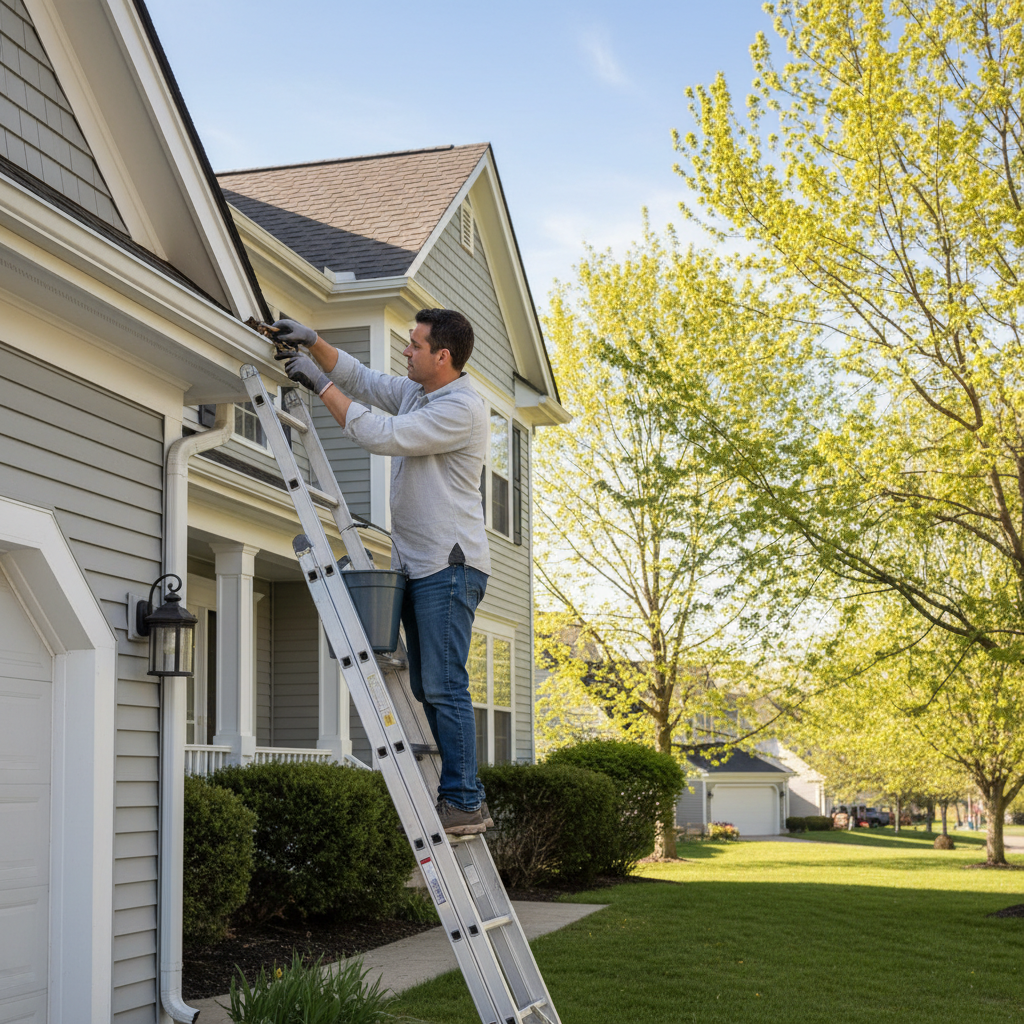
After months of ice, snow, and freezing temperatures, the arrival of spring is a welcome relief. But winter can be harsh on a house, and the changing season is the perfect time to give your home a thorough check-up. This isn't just about spring cleaning; it's about preventative maintenance that can save you from expensive, emergency repairs down the road.
This checklist walks through the critical areas of your home that need attention each spring. We'll cover simple tasks you can likely handle yourself and, more importantly, explain the signs that tell you it’s time to call a qualified professional. Making that call early is almost always cheaper than waiting for a small issue to become a major disaster.
Exterior & Foundation: Your Home's First Line of Defense
Your home's siding, foundation, windows, and doors took the brunt of winter weather. The constant freezing and thawing of moisture can create cracks, separate seams, and damage surfaces. A walk around your property is the first, easiest step in your spring maintenance routine.
What You Can Do Yourself
Grab a notepad and walk the perimeter of your house on a clear day. Look closely at:
- Siding and Paint: Are there any cracks in your siding? Is paint bubbling, chipping, or peeling? Pay special attention to the south and west-facing sides of the house, which get the most sun damage.
- Foundation: Look for cracks in the visible concrete or masonry of your foundation. Small, hairline vertical cracks are often due to normal settling, but anything wider than a quarter-inch, or any horizontal crack, is worth noting.
- Windows and Doors: Check the caulking and weatherstripping around your windows and doors. Is it cracked, brittle, or pulling away? This can lead to water intrusion and energy loss. On wooden frames, gently poke at the sill and trim with a screwdriver to check for soft, rotted wood.
- Decks, Patios, and Walkways: Inspect your deck for any wobbly railings, loose boards, or signs of rot. For concrete or paver patios and walkways, look for heaving, settling, or wide cracks caused by the frost.
When to Call a Pro
Your inspection will help you decide if you need professional help. Ignoring these signs can lead to water damage, mold, and structural problems.
- Foundation Repair: If you find large, stairstep cracks in brickwork or horizontal cracks in your foundation, it’s time to call a structural engineer or a dedicated foundation repair company. This isn't a DIY job. An expert can determine if the issue is ongoing and propose a solution, which could range from simple epoxy injection to more complex and expensive work like installing piers. An initial consultation might cost a few hundred dollars but can prevent tens of thousands in damage.
- Exterior Painting and Siding Repair: If you have widespread paint failure or damaged siding, hiring a professional painting or siding contractor is a smart move. They have the equipment (ladders, scaffolding, sprayers) and expertise to do the job safely and correctly. While a full exterior paint job can cost between $5,000 and $12,000 depending on the size and condition of your house, it protects your home's structure from moisture. Ask any contractor you hire for proof of liability insurance and worker's compensation.
- Masonry Work: Crumbling mortar between bricks or stones requires a mason to perform a process called “repointing.” This prevents water from getting behind the masonry and causing serious damage during the next freeze-thaw cycle.
Roof, Gutters, and Drainage: Managing Spring Rains
Water is the number one enemy of any home. Your roof and gutter system is designed to shed thousands of gallons of it, but only if it's in good working order. The heavy rains of spring will quickly reveal any weaknesses.
What You Can Do Yourself
Safety is paramount here. Never get on a steep or high roof unless you are properly trained and equipped.
- Visual Roof Inspection (from the ground): Use a pair of binoculars to safely inspect your roof from the ground. Look for shingles that are missing, curled, cracked, or have lost their granular coating (you might see a lot of grit in your gutters).
- Clean Your Gutters: If you are comfortable and safe on a ladder, cleaning your gutters is one of the most important spring tasks. Remove all leaves, pine needles, and other debris. Clogged gutters can cause water to back up under your shingles and damage the roof deck and fascia boards.
- Check Downspouts and Extensions: After cleaning, run a hose into the gutters to ensure water flows freely through the downspouts. Make sure the downspouts discharge water at least 5-10 feet away from your foundation. If they don't, you can buy simple plastic or metal extensions at any home improvement store.
When to Call a Pro
- Professional Roof Inspection: If you spot any potential issues from the ground, or if your roof is more than 15 years old, it's wise to hire a licensed roofing contractor for a professional inspection. They can safely walk the roof, check flashing around chimneys and vents, and identify subtle problems you can't see. An inspection might cost $200–$500 but can catch a small leak before it destroys your attic insulation and drywall.
- Gutter Cleaning and Repair: If your home is more than one story high or you're not steady on a ladder, hiring a pro to clean your gutters is a no-brainer. For $150–$350, a professional service will quickly and safely clean your entire gutter system. They can also re-secure loose sections and patch minor leaks on the spot.
- Drainage Solutions: If you notice water pooling near your foundation even after your gutters are cleared, you may have a grading issue. A professional landscaper or drainage contractor can assess the slope of your yard and recommend solutions like regrading the soil, installing a French drain, or creating a swale to direct water away from the house. This is a critical fix to prevent a wet basement and foundation pressure.
HVAC System: Get Ready for Summer Heat
Don't wait for the first 90-degree day to find out your air conditioning isn't working. A pre-season checkup ensures your system is ready for summer, runs efficiently, and is less likely to break down when you need it most.
What You Can Do Yourself
These simple steps can have a big impact on your system's performance and longevity.
- Change the Air Filter: This is the easiest and most important piece of HVAC maintenance. A clogged filter restricts airflow, making your system work harder, which increases energy bills and can lead to equipment failure. Check the filter monthly and replace it when it's dirty.
- Clean Around the Outdoor Unit: Your outdoor AC unit (the condenser) needs to breathe. Clear away any leaves, weeds, and other debris that have accumulated over the winter. Trim back bushes or branches to ensure at least two feet of clearance on all sides.
- Gently Clean the Condenser Fins: Turn off the power to the unit at your home's breaker panel first. Then, use a garden hose with a gentle spray nozzle to rinse the dirt and dust off the metal fins of the condenser. Do not use a pressure washer, as it can bend the delicate fins.
When to Call a Pro
- Annual HVAC Tune-Up: This is one of the best investments you can make in your home. For $100–$250, a qualified HVAC technician will perform a comprehensive service that goes far beyond DIY tasks. They will check refrigerant levels (critical for cooling performance), clean the indoor evaporator coils, inspect electrical connections, lubricate motors, and ensure the whole system is safe and efficient. This service pays for itself in energy savings and by extending the life of your expensive equipment.
- When to Call for Service: If your AC is blowing warm air, making strange noises (grinding, squealing), or cycling on and off more frequently than usual, shut it off and call for service. Running a malfunctioning system can cause more severe, and more expensive, damage.
Plumbing and Water Systems: From Sump Pumps to Sprinklers
Spring means melting snow and heavy rains, which puts your home's water management systems to the test. It's also time to bring your outdoor water systems back online.
What You Can Do Yourself
- Test Your Sump Pump: Your sump pump is your last line of defense against a flooded basement. Don't wait for a storm to see if it's working. Slowly pour a five-gallon bucket of water into the sump pit. The pump's float should rise, activate the pump, and discharge the water. If it doesn't, it needs immediate attention.
- Check for Leaks: Look under every sink, around the base of every toilet, and at the water heater for any signs of drips or water stains. A small, slow leak can go unnoticed for months, causing rot and mold.
- Turn on Outdoor Faucets: Find the interior shut-off valve for your outdoor faucets (hose bibbs) and turn it on. Then, open the outdoor faucet. If it works fine, you're good. If water sprays out from the house wall or the handle, you likely have a pipe that cracked from freezing over the winter.
When to Call a Pro
- Plumber for Sump Pump or Leaks: If your sump pump fails its test, or if you find any leak you can't fix by simply tightening a connection, call a licensed plumber. Replacing a sump pump can cost $400–$1,000, but that's a fraction of the cost of mitigating a flooded basement. A plumber can also quickly diagnose and repair a frozen pipe before it causes major water damage inside your walls.
- Irrigation Specialist for Sprinklers: Turning your sprinkler system back on involves more than just opening a valve. A professional irrigation service (often part of a landscaping company) will properly pressurize the system, check every zone for leaks or broken heads, adjust spray patterns for optimal coverage, and program the controller. A spring start-up service typically costs $75–$150 and prevents wasted water and dead spots in your lawn.
Safety Devices and Indoor Air Quality
Now that you're spending more time with the windows open, it's a great time for an indoor safety and air quality check.
What You Can Do Yourself
- Test Smoke & Carbon Monoxide Detectors: Press the 'test' button on every unit. Replace the batteries in any that are not hardwired. Most importantly, check the manufacturing date printed on the back. Smoke detectors should be replaced every 10 years, and CO detectors every 7-10 years. The sensors lose their effectiveness over time.
- Clean Dryer Vents: Lint buildup in your dryer hose and vent is a serious fire hazard. You can disconnect the hose from the back of the dryer and use a vacuum and a special brush to clean it out. Also, make sure the exterior vent flap is clean and opens freely.
- Clean Exhaust Fans: The filters in your kitchen range hood get caked with grease, reducing their effectiveness. Most metal mesh filters can be easily removed and cleaned in hot, soapy water or even in the dishwasher.
When to Call a Pro
- Professional Dryer Vent Cleaning: If your dryer vent run is long, has multiple bends, or vents through the roof, a DIY cleaning may not be sufficient. A professional service uses high-powered air and rotating brushes to clean the entire length of the ductwork. This costs around $100–$200 and dramatically improves both the safety and efficiency of your dryer.
- Radon Testing: Radon is a colorless, odorless radioactive gas that can seep into homes from the ground and is a leading cause of lung cancer. Spring can be a good time to test. You can buy a DIY test kit, but for the most accurate results, consider hiring a certified radon measurement professional. If levels are high, a radon mitigation specialist will be needed to install a system to vent the gas outside.
Planning for Bigger Spring and Summer Projects
Your spring inspection is the perfect tool for planning larger home improvement projects. The peeling paint you noticed might become a priority for an exterior painter. The wobbly deck railing might signal it's time to budget for a deck rebuild. Spring is when the hiring season for outdoor work kicks into high gear, so planning is essential.
Hiring Smart for Seasonal Work
Good contractors are busy. Their schedules for the spring and summer fill up incredibly fast. If you wait until May to call a roofer or landscaper for a June project, you may find that the best ones are already booked through August.
- Get in Line Early: Start researching and calling contractors in late winter or early spring (February-March). This gives you time to get bids, check references, and get on the schedule of a reputable pro.
- Get Multiple, Detailed Bids: For any project over $1,000, you should get at least three written estimates. A good bid isn't just a number; it's a detailed scope of work that lists the specific materials to be used, the prep work involved, a timeline, and payment terms. Comparing these details is just as important as comparing the final price.
- Verify Credentials: Before you sign a contract, verify the contractor's license and insurance. Ask for a copy of their general liability insurance certificate and, if they have employees, their worker's compensation insurance. This protects you from liability if someone is injured on your property or if your property is damaged. Call their references and, if possible, go look at examples of their past work.
Frequently asked questions
How much should I budget for spring maintenance?+
Focus on preventative costs. A budget of $300-$600 can typically cover professional gutter cleaning, an HVAC tune-up, and supplies for DIY tasks. Unexpected repairs like a sump pump replacement ($400-$1,000) would be extra, which is why having a general home repair fund is so important.
I'm not comfortable on a ladder. Can I still do spring maintenance?+
Absolutely. You can handle all the ground-level tasks like inspecting the foundation, cleaning around your AC unit, and testing indoor safety devices. For anything involving a ladder, like gutter cleaning or roof inspection, it's always safer and smarter to hire an insured professional.
Is a professional HVAC tune-up really worth the money?+
Yes, almost always. For about $100-$250, a technician can spot worn parts before they fail, ensure your system is running efficiently, and clean components you can't easily reach. It’s cheap insurance against a system failure on the hottest day of the year.
My gutters seem to be working. Do I really need to clean them?+
Yes. Even if water flows, a layer of damp leaves and debris can sit in the gutter, causing rust and corrosion. This debris is also heavy, which can cause gutters to pull away from the house and damage the underlying fascia boards.
When is the best time to start calling contractors for a summer project like a new deck?+
The earlier, the better. Start your research and calls in late winter or early spring (February-March). Reputable contractors' schedules for summer work are often full by May, so waiting too long might leave you with less-experienced or less-reliable options.