
How Much Does Tree Removal Cost? A Homeowner's Pricing Guide
Wondering what tree removal should cost? Our guide breaks down the key factors—from tree size to accessibility—and explains what to look for in a quote so you can hire a pro with confidence.
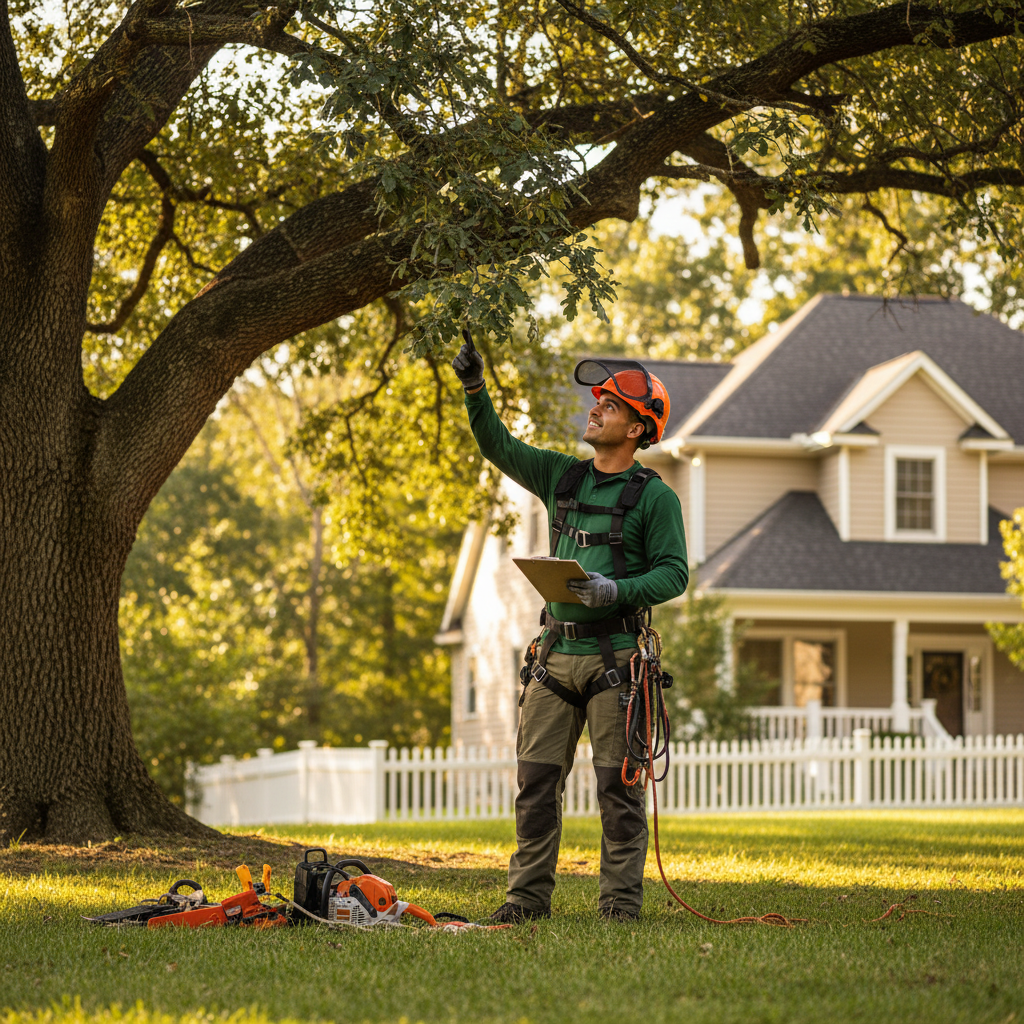
Getting a quote for tree removal can feel like a guessing game. One company quotes $800, another says $2,500, and a third gives you a price over the phone that seems way too good to be true. Why the huge difference? Unlike buying a product off a shelf, paying for tree service is paying for skilled labor, specialized equipment, and significant risk management. The final price tag is a complex calculation based on a dozen variables.
This guide is here to demystify the process. We’ll break down exactly what factors influence tree removal costs, what you should expect to be included in a standard quote, and how to spot a risky, lowball offer. By the end, you'll be able to read a tree service estimate like a pro and make a confident, smart hiring decision that protects your property and your wallet.
The Core Factors Driving Tree Removal Costs
At its heart, tree removal pricing comes down to time, risk, and labor. A small, accessible tree that can be felled in an hour is a simple job. A giant oak leaning over your house, tangled in power lines, is a full-day surgical operation requiring a team of experts. Here are the primary factors a tree service company assesses when preparing your quote.
Tree Size: Diameter and Height
This is the single biggest driver of cost. A larger tree requires more time, a larger crew, more powerful equipment, and creates significantly more debris to be chipped and hauled away. Professionals typically categorize trees by size, and the price jumps substantially between tiers.
- Small Trees (Under 25-30 feet): Think ornamental trees like a Japanese Maple or a Dogwood. These are often straightforward removals, costing anywhere from $250 to $500. They may not require advanced climbing or rigging, and the debris is minimal.
- Medium Trees (30 to 60 feet): This category includes many common suburban trees like birches, smaller maples, or Bradford pears. The cost typically ranges from $500 to $1,500. These jobs often require a skilled climber to ascend the tree and remove it in sections, increasing the labor and risk.
- Large Trees (60 to 80 feet): Mature oaks, large maples, and sycamores fall into this category. Expect prices from $1,500 to $3,000. These are complex jobs requiring a full crew, advanced rigging techniques to lower massive limbs safely, and a lot of time for processing and cleanup.
- Extra-Large or Giant Trees (Over 80 feet): Towering pines, ancient oaks, or other massive specimens can easily cost $3,000 to $5,000 or more. These almost always require specialized planning and may involve heavy equipment like a crane.
The tree’s diameter (the width of the trunk) also matters. A thick trunk is harder to cut and the wood is much heavier to handle, adding to the labor involved.
Tree Condition & Health
A healthy, strong tree is predictable. A dead, decaying one is not. A professional arborist will charge more to work on a hazardous tree because the risk is significantly higher. Dead branches are brittle and can snap unexpectedly, putting the crew, and your property, in danger. This increased risk often means the crew has to use different, more time-consuming techniques or bring in equipment like a bucket truck or crane to avoid climbing the unstable tree altogether.
Location & Accessibility
Where the tree is located on your property is almost as important as its size. The easier it is for the crew to access the tree with their trucks and equipment, the lower the cost will be.
- Easy Access: A tree in the front yard, far from the house and power lines, with a clear path from the street for a truck and chipper? This is the best-case scenario and will result in the lowest possible price for a tree of its size.
- Difficult Access: This is where costs can escalate quickly. Consider a tree in a fenced-in backyard. The crew can't just drive their chipper to it. Instead, they must manually drag every single branch and log to the front of the house. This adds hours of grueling labor to the job. Other access challenges include:
- Proximity to your house, a neighbor's house, or a garage.
- Overhanging sheds, pools, decks, or patios.
- Location on a steep slope or hill.
- Nearby power lines (this is a major complication that requires extreme skill and coordination, sometimes with the utility company).
For a tree that is completely inaccessible or leaning precariously over a structure, the company will need to bring in a crane, which adds a separate and significant charge to the bill.
What's Included in a Standard Quote (and What's Not)?
A professional quote should be a detailed document, not just a number scribbled on a business card. It's crucial to understand what services you're actually paying for. Never assume something is included. Always ask.
Typically Included in a Standard Removal Quote:
- Felling the Tree: The core service of cutting the tree down safely.
- Limbing and Bucking: Cutting all the branches off the trunk (limbing) and then cutting the main trunk into more manageable sections (bucking).
- Chipping Brush: Feeding all the smaller branches and leaves through a wood chipper.
- Hauling Debris: Taking away all the wood chips and sometimes smaller logs.
- Basic Cleanup: Raking up sawdust, twigs, and other small debris from the work area, leaving it “broom clean.”
Common Add-Ons That Cost Extra:
- Stump Grinding: This is the most common add-on service. Tree removal does not typically include removing the stump. Felling a tree leaves a stump that is usually 4-6 inches tall. Stump grinding uses a powerful machine to obliterate the stump and its upper roots to well below ground level. Expect to pay an additional $150 to $400 for this, depending on the stump's size and accessibility.
- Hauling Large Wood: The standard quote often includes hauling away the chips, but not the heavy trunk wood. Many companies will leave the large, bucked-up logs for you unless you specify—and pay for—their removal. This can add $100 to $500 to the cost. Alternatively, if you have a fireplace, you can ask them to leave it for you to split as firewood.
- Topsoil and Seed: After grinding a stump, you're left with a hole filled with wood chips and dirt. A truly full-service job might include digging this mixture out, filling the hole with fresh topsoil, and planting grass seed. This is a premium service and will be priced accordingly.
The 'Hidden' Costs: Why the Cheapest Quote Is Risky
When you get a quote that's dramatically lower than the others, your first thought might be, "Great! A bargain!" Your second thought should be, "What are they skipping?" Often, that low price comes at a very high risk to you, the homeowner. This is where hiring a true professional proves its worth.
Insurance: Your Financial Safety Net
Tree removal is one of the most dangerous jobs in the country. Accidents happen, even to experienced crews. If you hire a company without the proper insurance, you are taking on all of the financial liability.
There are two types of insurance you must verify:
- General Liability Insurance: This protects your property. If a tree service drops a large limb on your roof or crushes your fence, their liability insurance covers the repairs. Without it, you'll be suing them to get your money, which is a long and uncertain road.
- Workers' Compensation Insurance: This is even more critical. It covers the company's employees if they get injured on your property. If you hire a crew without workers' comp and one of their climbers falls, you could be considered the employer and be held liable for their medical bills and lost wages. This can lead to financial ruin.
What This Means for You: Always ask for a Certificate of Insurance (COI) directly from their insurance provider—not a copy from the contractor. A legitimate company will be happy to provide this. It's a red flag if they can't or won't. Insurance is a major business expense, and it's often what the "cheap" guys skip.
Licensing and Certification
While not all cities or states require a specific license for tree removal, you should always look for signs of professionalism and expertise. The gold standard is certification from the International Society of Arboriculture (ISA).
An ISA Certified Arborist is not just a "tree guy." They are a professional who has passed a comprehensive exam on tree biology, health, safety, and maintenance. They are required to continue their education to maintain their certification. Hiring a company with a certified arborist on staff, especially for a large or delicate job, ensures you're getting someone who understands the science behind the work, not just how to run a chainsaw.
Understanding Emergency and Specialized Tree Work
Sometimes, tree removal isn't a planned project. A severe storm can turn a healthy tree into an immediate hazard, requiring urgent action.
- Emergency Services: If a tree has fallen on your house, car, or is blocking your driveway, you need emergency service. This will cost more than a scheduled removal—often 25-50% more. You are paying a premium for immediate, after-hours, or weekend response. The work is also more dangerous and complex. The good news is that your homeowner's insurance policy typically covers at least part of the cost of removing a tree that has fallen on a covered structure.
- Crane Removals: For massive trees in tight spaces, a crane is the only way to safely dismantle and remove them. The crane lifts huge sections of the tree up and over your house and other obstacles. This is the safest method for extreme situations, but it comes at a price. Crane rental and an operator can add $800 to $1,500 or more to the total job cost.
How to Get an Accurate and Fair Quote
Now that you know what goes into the price, you're ready to start calling for estimates. Follow these steps to ensure you're comparing apples to apples and hiring the right company for the job.
- Get at Least Three In-Person Quotes: Never accept a quote over the phone. A true professional will need to see the tree, its condition, and the job site to give you an accurate price.
- Ask for a Detailed Written Estimate: Each quote should clearly outline the full scope of work. It should specify which tree(s) are being removed, whether stump grinding is included, how debris will be handled, and the total cost.
- Verify Insurance: Ask all three companies for their insurance certificates. Don't be shy about calling the insurance agency listed to confirm the policy is active.
- Ask Smart Questions: Engage with the arborist when they visit. Good questions include:
- "How do you plan to take the tree down?"
- "How will you protect my lawn and driveway from your equipment?"
- "Is stump grinding included in this price?"
- "Do you have a certified arborist on your crew?"
- Don't Automatically Choose the Lowest Bid: Evaluate the quotes based on the company's professionalism, clear scope of work, insurance verification, and your comfort level. The slightly more expensive quote from the insured, certified, and professional company is almost always the better value and the safer choice.
The Bottom Line: A Price Breakdown You Can Use
While every job is unique, you can use these general figures as a starting point to know if the quotes you're receiving are in the right ballpark. Remember to factor in your tree's specific location and condition.
- Small Tree (under 30 ft, easy access): $250 – $500
- Medium Tree (30-60 ft): $500 – $1,500
- Large Tree (60+ ft): $1,500 – $3,000+
- Hazardous or Crane-Assisted Removal: $3,000 – $5,000+
Potential Add-On Costs:
- Stump Grinding: + $150 – $400
- Hauling Large Logs: + $100 – $500
- Emergency Call-Out Fee: Add 25-50% to the base cost
Choosing a tree removal service isn't just about finding the lowest price. It's about protecting your property, ensuring safety, and getting the job done right. By understanding the factors that determine the cost, you can confidently invest in a professional service that provides peace of mind.
Frequently asked questions
Do I need a permit to remove a tree from my property?+
It depends entirely on your city, county, and sometimes your HOA. Many jurisdictions have rules about removing trees of a certain size or species, especially 'heritage' trees. Always check your local municipal website or call the planning department before you hire someone to start cutting.
Is it cheaper to remove a tree in the winter?+
It can be. Tree service companies are often less busy in the winter months, so you may find more competitive pricing. However, deep snow or frozen ground can sometimes make a job more difficult, which could offset the savings, so it's best to ask for quotes and see.
Can I keep the wood for firewood?+
Absolutely. Most companies are happy to leave the larger logs for you to use as firewood. Be sure to tell them this upfront when you are getting a quote, as it may slightly reduce your cost since they won't have to spend time and energy hauling it away.
Why is my neighbor's tree removal quote so much different than mine?+
Even if the trees look similar, small differences in accessibility, proximity to power lines, or the tree's overall health can drastically change the price. Your neighbor might also have chosen a company that isn't properly insured, which is a major risk. Focus on getting detailed, itemized quotes for your specific project.
What's the real difference between a certified arborist and a 'tree guy'?+
An ISA-certified arborist is a credentialed professional who has been trained and tested in tree health, biology, and safe work practices. A 'tree guy' may just be someone with a chainsaw and a truck, often lacking the proper insurance, safety knowledge, and expertise, which puts you and your property at risk.