
Window Replacement Guide: Vinyl vs. Wood vs. Fiberglass
Choosing new windows? This guide breaks down the pros, cons, and costs of vinyl, wood, and fiberglass to help you make a smart investment and hire the right pro.
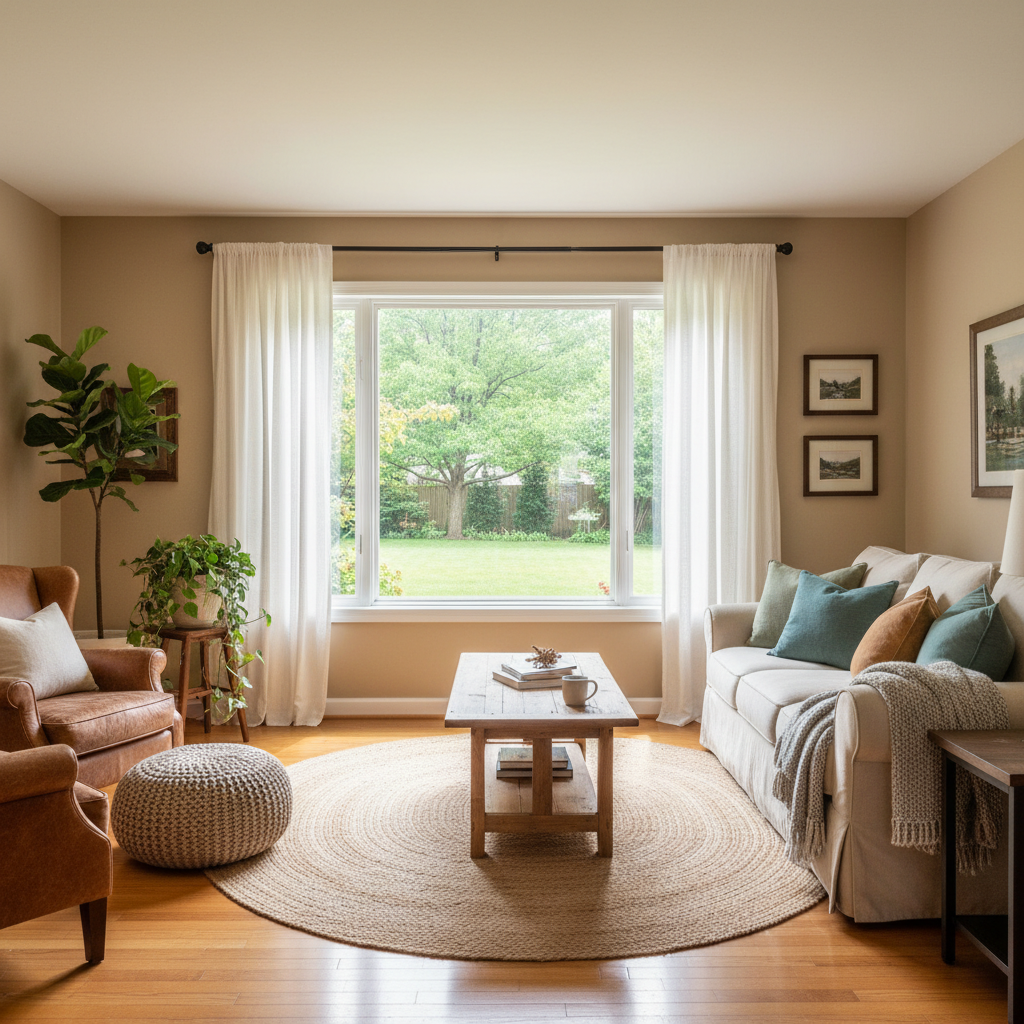
New windows are one of the most significant investments you can make in your home. They impact everything from your energy bills and comfort level to your home’s curb appeal and resale value. When you start researching, you'll quickly realize the first major decision you have to make is about the frame material. The vast majority of windows sold today are made from vinyl, wood, or fiberglass.
This choice can feel overwhelming. Each material comes with its own set of benefits, drawbacks, maintenance requirements, and, of course, costs. This guide is designed to cut through the jargon and give you a plain-spoken breakdown of each option, so you can feel confident when you start talking to window installation professionals.
The Big Picture: Why Window Material Matters
Before we dive into the specifics of each material, it's important to understand why this decision is so critical. The material you choose for your window frames will directly influence:
- Cost: This is the big one. The price difference between a basic vinyl window and a custom wood window can be thousands of dollars per unit.
- Durability & Lifespan: How will the window hold up to your local climate? Will it warp, rot, or fade over time?
- Maintenance: Are you prepared to paint your window frames every 5-7 years, or do you want a solution that only requires occasional cleaning?
- Energy Efficiency: The frame material works in tandem with the glass pack to insulate your home. Some materials are naturally better insulators than others.
- Aesthetics: What look are you going for? The warm, traditional feel of wood, or the clean, modern lines of fiberglass or vinyl?
Remember, even the most expensive, highest-quality window will fail if it's not installed correctly. Your choice of material will also guide your choice of installer. Some contractors specialize in certain materials or brands, and finding a pro with proven experience installing the type of window you choose is just as important as the window itself.
Vinyl Windows: The Popular & Practical Choice
Walk into any big-box home improvement store, and you'll see aisle after aisle of vinyl windows. They are, by a wide margin, the most popular window replacement choice in the United States, and for good reason: they offer a compelling balance of cost, performance, and low maintenance.
What Are Vinyl Windows?
Vinyl window frames are made from a type of plastic called polyvinyl chloride (PVC). It's the same durable material used in plumbing pipes, siding, and flooring. The PVC is extruded into long hollow chambers, which not only makes the frame lightweight but also creates air pockets that help with insulation. The color is mixed into the PVC material itself, so it’s consistent all the way through.
Pros of Vinyl Windows
- Cost-Effective: Vinyl is typically the most affordable window material. This allows homeowners to replace all their windows at once without breaking the bank, leading to consistent aesthetics and energy performance across the house.
- Low Maintenance: This is a huge selling point. Vinyl windows never need to be painted, scraped, or stained. They won't rot or succumb to insect damage. A simple cleaning with soap and water is all they ever require.
- Good Energy Efficiency: Modern vinyl windows offer excellent thermal performance. The multi-chambered frames resist heat transfer, and when paired with double- or triple-pane glass with low-E coatings, they do a great job of keeping your home comfortable.
Cons of Vinyl Windows
- Aesthetics & Customization: While designs have improved, some people find vinyl windows have a “plastic” look that doesn’t suit older or high-end homes. Color choices are also limited, and because the color is integral, you cannot paint them. The color you buy is the color you have for life.
- Expansion and Contraction: Vinyl expands and contracts with temperature changes more than other materials. In climates with extreme hot and cold seasons, this constant movement can put stress on the window seals over time, potentially leading to failure (fogging between the panes).
- Structural Limitations: Vinyl is not as rigid as wood or fiberglass. This means that for very large window openings, the frames need to be thicker and more reinforced, which can reduce the amount of visible glass.
What This Means When Hiring a Pro for Vinyl Windows
When getting quotes for vinyl windows, don't just compare the bottom-line price. Ask the contractor about the brand they recommend and why. Inquire about the quality of the construction—are the corners welded or mechanically fastened? Welded corners are generally stronger and more airtight. Finally, get a clear explanation of the warranty, paying close attention to what it says about glass seal failure and labor costs.
Wood Windows: The Classic & Customizable Option
For centuries, wood was the only choice for windows. Today, it remains the premium option for its timeless beauty, warmth, and design flexibility. It’s the go-to choice for historic homes and for homeowners who want to make a distinct architectural statement.
What Are Wood Windows?
These are windows with frames constructed from solid wood, such as pine, fir, or mahogany. They can be painted any color or stained to showcase the natural wood grain. To combat wood's main weakness—vulnerability to the elements—many manufacturers offer "wood-clad" windows. These feature a wood interior with a durable, low-maintenance exterior shell made of aluminum or vinyl.
Pros of Wood Windows
- Unmatched Aesthetics: Nothing can truly replicate the look and feel of real wood. Its natural grain adds warmth and character that can elevate a room's entire design. The ability to paint or stain it offers unlimited decorative possibilities.
- Excellent Insulator: Wood is a natural insulator and offers great thermal performance, helping to reduce heating and cooling costs.
- Highly Customizable: Wood can be milled into virtually any shape, size, or profile. This makes it the ideal material for replicating historic window designs or creating unique, custom architectural features.
Cons of Wood Windows
- High Cost: Wood windows are the most expensive option. The raw material is costly, and the craftsmanship required to build them adds to the price. Expect to pay significantly more than you would for vinyl.
- High Maintenance: This is the most significant drawback. Non-clad wood windows require regular maintenance. They must be inspected for peeling paint or failing caulk and repainted or re-stained every 5-7 years to protect them from moisture, rot, and insects.
- Vulnerability to Moisture: If that maintenance is neglected, wood windows can absorb water, leading to swelling, warping, and eventually, rot. This is especially true at the sill and in homes located in damp, rainy climates.
What This Means When Hiring a Pro for Wood Windows
Installing wood windows is a craft. You need an installer with specific experience—often a finish carpenter or a dedicated window specialist, not a general contractor. Discuss the long-term maintenance plan with them. Ask what type of exterior paint or finish they recommend and the proper way to maintain it. If you're choosing wood-clad windows, understand the pros and cons of the cladding material (e.g., rolled aluminum vs. extruded aluminum).
Fiberglass Windows: The High-Performance Hybrid
Fiberglass is a relative newcomer to the window world, but it has rapidly gained a reputation as a durable, stable, and highly efficient material. It effectively combines many of the best attributes of both vinyl and wood, making it a compelling "best of both worlds" option for many homeowners.
What Are Fiberglass Windows?
Fiberglass frames are a composite material made from fine glass fibers saturated with resin. This mixture is then pulled through a heated die in a process called "pultrusion," which creates an incredibly strong and dimensionally stable final product. It's much stronger and more rigid than vinyl.
Pros of Fiberglass Windows
- Exceptional Durability: Fiberglass is arguably the toughest window material on the market. It resists denting, bending, and cracking. It's built to last for decades.
- Minimal Expansion and Contraction: This is fiberglass's superpower. It expands and contracts at virtually the same rate as the glass it holds. This puts minimal stress on the seals, drastically reducing the risk of seal failure and providing superior long-term performance, especially in climates with dramatic temperature swings.
- Design Flexibility: Because fiberglass is so strong, frames can be made thinner than vinyl ones. This means less frame and more glass, providing a more modern look and a better view. Unlike vinyl, fiberglass can be painted, giving you the freedom to change your home's color scheme down the road.
Cons of Fiberglass Windows
- High Cost: Performance comes at a price. Fiberglass windows are more expensive than vinyl, often costing close to what you'd pay for a mid-range wood window.
- Fewer Choices: The market for fiberglass windows is smaller than for vinyl or wood. There are fewer manufacturers (though top brands like Pella and Marvin are major players), which can mean fewer style options and fewer certified installers in your area.
- Aesthetics: While many fiberglass windows come with an optional factory-applied wood-grain texture, it doesn't quite capture the authentic look and feel of real wood upon close inspection.
What This Means When Hiring a Pro for Fiberglass Windows
Your choice of installer is often tied to your choice of brand. Manufacturers like Marvin and Pella have networks of certified installers who are specially trained to work with their products. Ask potential contractors about their specific experience with fiberglass. Its rigidity makes it less forgiving of out-of-square openings than vinyl, so precise and professional installation is non-negotiable.
Cost Comparison: A Head-to-Head Breakdown
It's impossible to give an exact price without a detailed quote, as costs vary dramatically based on your location, the window style, and the complexity of the job. However, here are some typical all-in price ranges for a standard-sized, double-hung replacement window, including installation:
- Vinyl: $500 – $1,100 per window
- Fiberglass: $800 – $1,700 per window
- Wood: $1,200 – $2,500+ per window
Remember to consider the total cost of ownership. Wood windows may cost the most upfront and also carry the future cost of repainting every several years. Vinyl is the cheapest initially with almost no maintenance cost, while fiberglass has a high initial cost but promises a very long, trouble-free lifespan.
Making Your Final Decision: Key Factors to Consider
Choosing the right window material comes down to balancing your priorities. As you prepare to call a pro, ask yourself these questions:
- Your Budget: Are you focused on the lowest upfront cost (Vinyl), or are you making a long-term investment in performance (Fiberglass) or aesthetics (Wood)?
- Your Home's Style: Does your home's architecture demand the authentic look of wood? Or would the clean lines of vinyl or fiberglass be a better fit?
- Your Climate: Do you live where temperatures swing from 0°F in winter to 100°F in summer? The stability of fiberglass is a massive advantage here.
- Your Tolerance for Maintenance: Be honest. Are you the type of person who will diligently repaint your windows, or do you want a maintenance-free solution? This is often the deciding factor between wood and its alternatives.
No matter which material you lean towards, your next step is the same: find a qualified, licensed, and insured window contractor. Get at least three quotes, ask plenty of questions, check references, and remember that a great window is only as good as its installation.
Frequently asked questions
How long should my new windows last?+
Lifespan depends heavily on material, climate, and installation quality. Generally, you can expect 20-30 years from quality vinyl windows, 40-50+ years from fiberglass, and 50 years or even generations from well-maintained wood windows.
Do I need a permit to replace my windows?+
It depends on your local rules and the scope of work. A simple insert replacement of the same size may not need one, but changing the size or location of a window almost always requires a permit. Your professional contractor should know the local requirements and handle the permitting process for you.
What’s more important: the window brand or the installer?+
Both are crucial, but a poor installation will ruin even the best, most expensive window. A great installer can make a mid-range window perform well. Always prioritize hiring a reputable, experienced installer, and preferably one who is certified by the window manufacturer.
Can I replace just one window at a time?+
Absolutely. However, be aware that you'll likely get a better price per window by replacing several at once, as contractors can work more efficiently and may get bulk discounts on materials. Replacing multiple windows also ensures a consistent look and energy performance across your home.
What are 'wood-clad' windows?+
Wood-clad windows offer the best of both worlds. They have a real wood interior that you can paint or stain, but the exterior is covered with a protective layer (cladding) of durable aluminum or vinyl. This gives you the beauty of wood inside without the demanding maintenance of painting the exterior every few years.