
Sump Pump Failures: Early Warning Signs, Emergency Fixes, and How to Hire a Pro
Learn how to troubleshoot rising basement water, perform essential seasonal checks, and know when to hire a licensed plumber before a storm ruins your foundation.
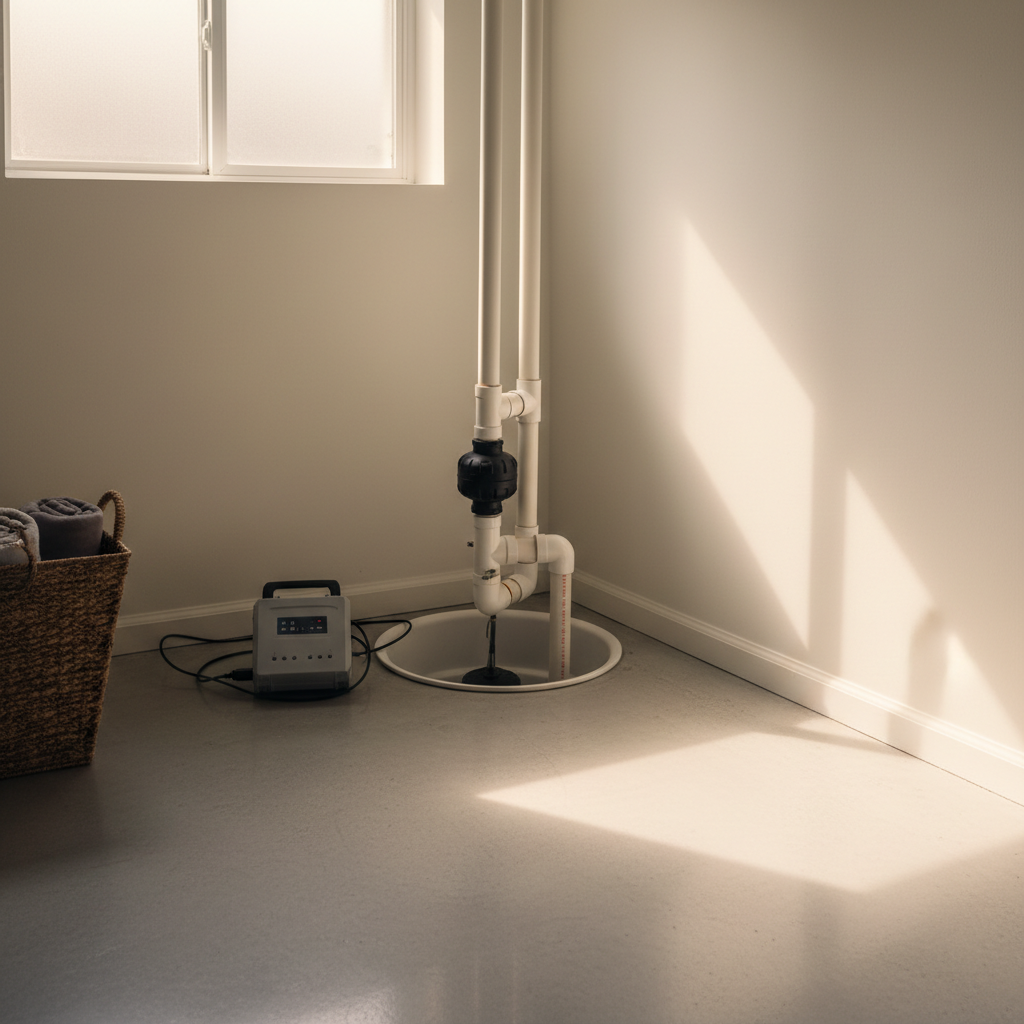
Few homeowner experiences match the sudden dread of stepping onto a squishing basement carpet or hearing standing water splash against your boots during an overnight torrential downpour. When a sump pump works, it is invisible, hums softly for ten seconds, and keeps thousands of dollars in water damage at bay. When it fails, water can rise rapidly, soaking drywall, destroying finished flooring, ruining mechanical appliances, and creating the perfect environment for mold growth within 24 to 48 hours.
Water damage restoration from a failed sump pump can quickly run anywhere from $2,500 to upwards of $10,000, depending on whether your basement is an unfinished storage crawlspace or a finished living suite. Understanding why these mechanical systems fail, how to diagnose early red flags before the rain starts, and what quick fixes you can safely attempt will help protect your home. More importantly, knowing when to put down your tools and call a licensed plumber will save you from making a bad situation worse.
Why Sump Pumps Fail When You Need Them Most
Sump pumps do not fail randomly; they fail because heavy storms test the limits of mechanical wear, electrical systems, and plumbing capacity all at once. The pump sits submerged in a dark, humid pit (the sump basin) where dirt, silt, and construction debris accumulate over years. When a flash storm or rapid spring snowmelt dumps hundreds of gallons of groundwater around your foundation, a pump that worked fine during a light shower can quickly stall.
The Stuck Float Switch
By far the most common point of mechanical failure is the float switch. Think of the float switch like the buoyant mechanism in the back of your toilet tank: as water fills the basin, the float rises until it triggers the electrical contacts that start the motor. As water empties, it drops down and turns the motor off. Over time, vibration can cause the pump to migrate slightly against the plastic wall of the basin, pinning the float switch in the "off" or "on" position. If it pins off, the basin overflows. If it pins on, the pump runs dry, overheats the motor, and burns itself out within hours.
Power Outages and Tripped Breakers
Severe thunderstorms often bring down tree limbs and knock out municipal power grids precisely when sump pumps face their highest workloads. Without an auxiliary power source, a standard electric sump pump stops immediately. Additionally, standard sump pumps run on dedicated 15-amp or 20-amp circuits. If your pump shares a circuit with a basement freezer, dehumidifier, or power tool, the initial startup surge (the high electrical draw required to spin the motor from a dead stop) can trip the circuit breaker or a Ground Fault Circuit Interrupter (GFCI) outlet, cutting off power without you noticing until water begins spilling onto the floor.
Clogged Intake Screens and Frozen Discharge Pipes
The bottom of your pump features an intake screen designed to pull water in while keeping out large gravel. Over time, lint from basement laundry, small pebbles washed in through the weeping tile, and biological sludge can coat this screen, choking off water flow. Outside your house, the discharge pipe that carries water away from your foundation presents its own vulnerability. In late winter or early spring, freeze-thaw cycles can turn leftover discharge water into a solid plug of ice. If the pipe is blocked, the pump works against a dead end, builds pressure, and will either blow out a pipe joint or burn out its motor.
Emergency Triage: Fast Fixes During an Active Storm
If you head into your basement during a storm and see water nearing the rim of the pit, panic helps no one. Working around water and electricity requires absolute caution. Before you touch anything, step back and assess the electrical danger. If standing water has already risen above the level of electrical outlets, extension cords, or the pump’s power cords, do not step into the water. Turn off the breaker for the basement at your main electrical panel first.
If the floor is still dry and water is merely filling the sump basin, you can perform several fast diagnostic checks:
- The Tap and Jiggle Test: Unplug other items on the circuit and inspect the float switch. Gently lift the float rod or ball with a broom handle. If the pump instantly kicks on and drains the pit, the float was simply caught on the side of the basin or tangled in its own power cable. Carefully rotate the pump body so the float arm has several inches of unobstructed clearance.
- The Dual-Plug Bypass: Many pumps use a "piggyback" switch plug. The float switch plugs directly into the wall outlet, and the pump motor’s power cord plugs into the back of the float switch plug. If your pump has this setup, unplug both, unplug the pump cord from the switch, and plug the pump cord straight into the wall outlet. If the pump runs, your motor is fine, but the float switch has failed electrically. You can manually plug and unplug the pump to keep your basement dry while you arrange a permanent repair.
- Checking the Weep Hole: Between the pump outlet and the one-way check valve on the discharge pipe, there should be a small 3/16-inch hole drilled at a 45-degree angle. This is the relief hole (or weep hole). If this hole clogs with sediment, the pump can become air-locked—meaning an air bubble forms beneath the check valve, preventing water from reaching the impeller even though the motor spins loudly. Carefully clear this hole using a small toothpick, drill bit, or wire hanger.
- Clearing the Check Valve Flapper: The check valve is the black or white cylinder installed on your discharge pipe that keeps pumped water from sliding back down into the pit. If a pebble gets caught in the valve's rubber flapper, water churns continuously or fails to move. Lightly tapping the side of the valve body with the plastic handle of a screwdriver can sometimes dislodge trapped grit.
Seasonal Maintenance: Preventing Costly Basement Floods
You should never wait for a flash-flood warning to discover whether your sump pump runs. Sump maintenance takes less than twenty minutes and should be performed twice a year: once in early spring before the spring thaw and heavy rains, and once in late autumn before freezing temperatures arrive.
Start with the "bucket test." Take a five-gallon utility bucket of water and slowly pour it directly into the sump pit. Watch the water level climb, note when the float switch engages, and observe how quickly the basin empties. A healthy 1/3-horsepower or 1/2-horsepower pump should empty a standard basin in roughly 5 to 10 seconds. Listen closely to the motor: a rhythmic, deep hum is normal; high-pitched screeching, grinding, or loud rattling usually indicates a damaged impeller or failing motor bearings.
Next, perform a visual and physical cleanup of the basin. Disconnect the power before putting your hands near the pump. Remove any accumulated gravel, silt, or debris from the bottom of the pit. Many homeowners do not realize that sump basins do not have sealed bottoms in many installations; groundwater pushes silt up through the drainage rock over time. If your pump sits directly on the dirt bottom, place it on a flat patio paver or a dedicated pump stand inside the pit. Raising the pump just two to three inches off the floor prevents it from vacuuming up mud that burns out the mechanical seal.
Finally, walk outside your home to inspect where the water exits. The discharge line should extend at least ten feet away from your foundation, sloping downward to prevent standing water from pooling or seeping right back down toward your basement walls. Ensure the exterior discharge point is clear of mulch, dead leaves, rodent nests, and snow banks.
Backup Systems: Battery, Water-Powered, and Dual Pumps
A primary electric sump pump is only as dependable as the electrical grid powering it. If your basement is finished, contains mechanical equipment like a high-efficiency furnace or water heater, or stores personal belongings, relying on a single, plug-in pump is a serious gamble. Investing in a secondary redundancy system provides vital protection.
Battery Backup Systems
Battery backup systems consist of a dedicated secondary 12-volt DC pump installed directly above or alongside your primary pump, connected to a heavy-duty marine-grade battery and a smart trickle-charging controller. If power cuts out, or if the primary pump experiences an electrical failure, the water level rises an extra two inches, triggering the secondary pump's float switch.
Modern battery systems run for approximately 24 to 72 hours of intermittent pumping on a single charge. However, lead-acid batteries degrade over time and must be replaced every three to five years, adding a maintenance cost of $150 to $300. When investing in a battery backup, look for models featuring an audible alarm and an automated self-test cycle that exercises the secondary pump weekly so you know it works before an emergency.
Water-Powered Backup Pumps
For homeowners connected to municipal city water (not a private well), water-powered backup pumps offer an alternative that never requires a battery. These pumps utilize the kinetic energy of pressurized city water. Using the venturi effect, every gallon of city water pushed through the unit pulls roughly two gallons of sump water out of the pit and exhausts it outdoors.
Water-powered pumps can run indefinitely during prolonged power outages because municipal water pressure generally remains active during major electrical blackouts. However, they require a dedicated 3/4-inch cold water supply line piped directly to the sump pit, which necessitates a licensed plumber and strict adherence to local plumbing codes regarding backflow prevention (to prevent sump water from contaminating drinking supplies).
Here is a quick comparison of secondary protection options:
- Standard Battery Backup: Costs $800 to $1,800 installed; provides reliable short-term protection (1-3 days); works with both municipal water and private wells; requires regular battery replacements.
- Water-Powered Backup: Costs $1,200 to $2,500 installed; unlimited runtime during power outages; zero batteries to replace; works only on municipal water systems with adequate pressure (typically 40+ PSI).
- Dual Primary Pumps with Alternator: Costs $1,500 to $3,000 installed; alternates run cycles between two full-size AC pumps to double lifespan; requires a whole-home standby generator to protect against electrical outages.
Repair vs. Replace: Costs, Lifespans, and Decision Rules
When a pump malfunctions, homeowners often wonder whether it can be repaired or if it must be swapped out entirely. While small components like a piggyback float switch ($30 to $60) or a cracked check valve ($20 to $40) can easily be replaced, repairing internal pump components—such as a worn impeller, damaged electrical windings, or a broken internal seal—is almost never cost-effective.
Residential sump pumps generally have a lifespan of 7 to 10 years. If your pump runs frequently throughout the year due to a high water table, its realistic lifespan is closer to 5 to 7 years. When an older unit begins tripping breakers or making scraping noises, purchasing a replacement is far safer than attempting a rebuild.
Realistic Replacement Costs
Replacing a standard primary sump pump involves hardware and labor:
- DIY Unit Cost: Purchasing a reliable cast-iron or stainless steel 1/3-HP to 1/2-HP primary pump at a home improvement store runs between $150 and $350. Avoid cheap all-plastic pumps ($70 to $100), as their housings warp under heat, causing premature motor binding.
- Professional Replacement: Hiring a licensed plumber to remove an old unit, install a quality cast-iron pump, glue fresh PVC fittings, and install a silent check valve typically ranges from $500 to $1,100, including parts and standard labor.
- Full System Overhauls: If your pit is too small, lacks a sealed radon lid, or requires new dedicated exterior discharge piping cut through the foundation sill, a comprehensive project can range from $1,500 to $3,500.
If your current pump is over seven years old and has started running sluggishly or humming without moving water, replace it proactively. Spending several hundred dollars on a scheduled replacement on a dry Tuesday is vastly preferable to paying emergency plumbing rates at 2:00 AM on a stormy holiday weekend.
Hiring a Licensed Plumber: What to Look for and Ask
While some handy homeowners feel comfortable gluing PVC pipe and dropping a pump into a basin, hiring a licensed plumbing contractor ensures your discharge system complies with municipal building codes and manufacturer warranties. In many jurisdictions, discharge water cannot legally be routed into the sanitary sewer system (your home's sinks and toilets) because it overwhelms municipal water treatment plants during storms. A pro will know your local codes and discharge rules.
Verifying Credentials and Protections
Before signing an estimate or inviting a technician into your home, verify the following basics:
- Valid Trade Licensing: Ensure the person or firm holds an active plumbing license issued by your state or municipality. Sump systems interact with your home's foundation and water safety.
- General Liability and Worker's Comp: A standard $1,000,000 liability insurance policy protects you if an installer accidentally damages your foundation wall, pierces a water line, or floods an unfinished space during the installation.
- Dedicated Electrical Circuits: A professional plumber should evaluate your electrical supply. If your sump requires a dedicated circuit, you may need a licensed electrician to run a line from your main electrical panel to eliminate nuisance tripping.
Essential Questions to Ask Before Hiring
When meeting with prospective contractors, ask these specific questions to evaluate their expertise:
- "What material is the pump housing made of?" (Insist on cast iron or cast bronze for the motor housing rather than lightweight thermoplastic. Cast iron dissipates motor heat through the basin water, substantially extending operating life.)
- "Does this estimate include replacing the check valve and discharge pipe?" (A quality installer will never attach a brand-new pump to an old, brittle check valve that has been flexing for eight years.)
- "Will you install a silent check valve?" (Standard check valves produce an annoying, loud clunking noise throughout the house every time the pump stops. Spring-loaded "quiet" check valves eliminate this noise for roughly $15 more in parts.)
- "How will the exterior discharge be protected from freezing?" (Ask if they install freeze-relief discharge fittings, often called freeze guards, where the pipe exits the house exterior. These allow water to escape even if the downstream buried line freezes solid.)
Taking the time to evaluate quotes, ask direct technical questions, and choose an experienced local specialist guarantees that when the next major storm rolls through, your basement remains completely dry.
Frequently asked questions
How long does a standard residential sump pump usually last?+
Most primary sump pumps have a working lifespan of 7 to 10 years under moderate usage. If your home has a high water table and the pump runs frequently throughout the year, expect to replace it every 5 to 7 years to avoid sudden mechanical failure.
Can I plug my sump pump into an extension cord in an emergency?+
You should avoid extension cords whenever possible because undersized cords cause voltage drops that can overheat and ruin the pump motor. If you must use one during an active emergency, use a heavy-duty, outdoor-rated 12-gauge or 10-gauge cord that is as short as possible, and replace it with a dedicated receptacle once the storm passes.
Why does my sump pump make a loud thud or clunking noise when it shuts off?+
A loud clunk is typically caused by the check valve snapping shut as water falls back down the pipe when the motor stops. Installing a modern spring-loaded 'quiet' or 'silent' check valve absorbs this hydraulic shock and eliminates the disruptive noise.
How much does it cost to have a plumber replace a sump pump?+
A straightforward professional replacement generally costs between $500 and $1,100 for parts and labor. Adding a battery backup unit or upgrading your exterior discharge lines will usually bring the total project cost to between $1,200 and $2,500.
Does homeowner's insurance cover basement flooding caused by a failed sump pump?+
Standard homeowner's insurance policies generally exclude damage caused by water backup or sump pump failure. To ensure coverage, you must purchase an optional 'Water Backup and Sump Discharge or Overflow' endorsement, which typically costs $50 to $150 per year.